
Veo and Wearth are now Ziracle. Same mission, better platform. See what's new

Ziracle Journal

Honest reads on living well and living sustainably.

Organic Cotton Clothing in the UK: The Label is the Last Decision, not the First

Organic Cotton Clothing in the UK: The Label is the Last Decision, not the First

Organic cotton is worth choosing. It is also the last decision that matters, not the first. Here are the four things that decide a garment's footprint, ranked, and where the fibre honestly sits among them.

By Hamish Lawson

The Best Plant-Based and Vegan Lipstick in the UK, and How to Read the Label Yourself

The Best Plant-Based and Vegan Lipstick in the UK, and How to Read the Label Yourself

Vegan does not mean natural, natural does not mean vegan, and one red pigment decides most of it. Here is how to read a lipstick label yourself, the honest trade-off nobody mentions, and the UK picks worth it.

By Hamish Lawson

The Best Natural Deodorants in the UK, and Why your Last one Failed

The Best Natural Deodorants in the UK, and Why your Last one Failed

Most people who gave up on natural deodorant did not buy a dud. They hit one of three fixable problems. Here is how to tell which one caught you, and the UK-made ones worth switching to.

By Hamish Lawson

The Best Vegan Gifts for Her

The Best Vegan Gifts for Her

A vegan gift should be something she would have chosen herself, not a compromise she has to be polite about. These are the ones where "vegan" actually does some work, the skincare, chocolate, cheese and leather that usually are not, all screened as truly free from animal ingredients.

By Hamish Lawson

Vegan Presents and Gift Ideas: 25 Where it Actually Matters

Vegan Presents and Gift Ideas: 25 Where it Actually Matters

A vegan crystal is just a crystal. Vegan chocolate, cheese, balms and bags are a real choice, because those things usually are not vegan. These 25 presents are the ones where the label actually does some work, all screened as truly free from animal ingredients.

By Hamish Lawson

You Cannot Clean your Home without Chemicals, and you do not need to

You Cannot Clean your Home without Chemicals, and you do not need to

"Chemical-free" cleaning is a marketing fiction. Water is a chemical. The real question is which ingredients, how much fragrance, and whether you are spraying any of it into the air you breathe. Here is what to distrust, what actually cleans, and the short kit worth buying.

By Hamish Lawson

The Case for Buying Organic (and where to start)

The Case for Buying Organic (and where to start)

What organic actually means, why it is worth the switch, and the everyday categories where the benefit compounds fastest.

By Annabel Lindsay

Can Leather Be Sustainable? The Honest Answer

Can Leather Be Sustainable? The Honest Answer

Animal hide, plastic faux leather, or plant-based alternatives. The honest answer on whether leather can be sustainable, and what to buy.

By Lydia Oyeniran

Zero Waste Beauty: The Formats Worth your Money

Zero Waste Beauty: The Formats Worth your Money

Zero waste beauty by format, not by brand: refillable compacts, solid bars, dental and deodorant swaps that actually work.

By Annabel Lindsay

The Best Sustainable Clothing Brands: a Shorter List, for Good Reason

The Best Sustainable Clothing Brands: a Shorter List, for Good Reason

A shorter list of sustainable clothing brands worth buying from. Every one has passed the bar on materials, production and ethics.

By Hamish Lawson

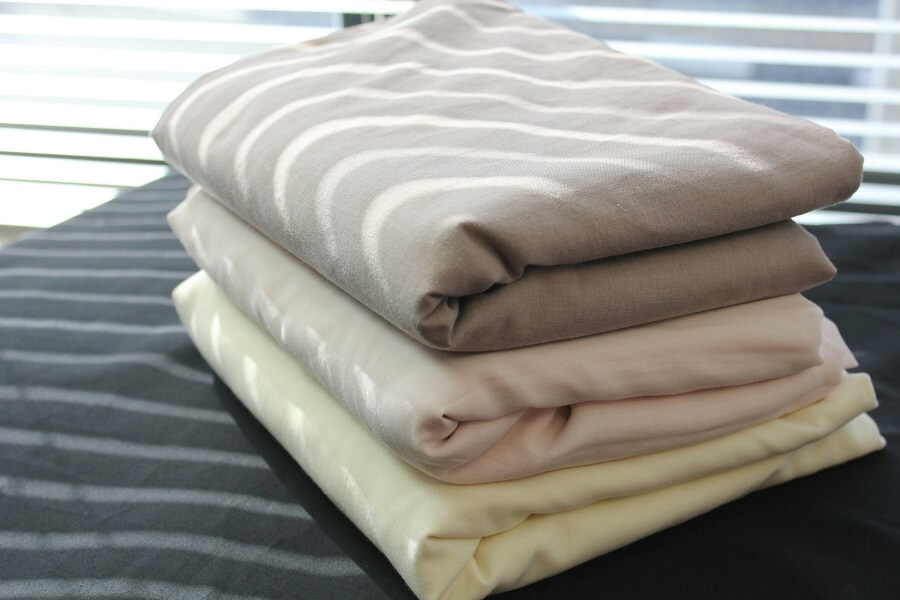
Folded organic cotton clothing in neutral tones on a shelf in soft daylight.

Switching to organic cotton feels like the sustainable win. It’s the smallest part of one. The label goes on the front of the garment and the front of the marketing because it’s the thing you buy, and buying is the part of sustainability that’s easy to sell. What actually decides whether a piece of clothing is a good or a bad thing for the world happens mostly after you’ve paid, in how long you keep it and how you treat it.

That’s not an argument against organic cotton. It’s an argument for putting it in its place. Get the order of operations right and you’ll spend less, waste less, and stop paying a premium for a badge while ignoring the decisions that do ten times the work. Here’s what matters, ranked, with the fibre where it honestly belongs.

Why the Label is the Wrong Place to Start

A garment’s biggest impacts are spread across its whole life, and the fibre is one slice of one stage. Growing cotton organically drops the synthetic pesticides and fertilisers and is easier on soil and on the people farming it, which is a real improvement over conventional cotton. But that improvement is dwarfed by what happens next: how the piece is made, how long it stays in use, how it’s washed, and whether it’s worn out or thrown out.

The marketing inverts that order because only one stage has something to sell you. No brand can charge you for washing your jumper less often, so the message lands on the one lever with a price tag. “Paying as much attention to using things as to creating or buying them can liberate us from an obsessive engagement with consumer society,” says Professor Kate Fletcher, research professor at the Centre for Sustainable Fashion, University of the Arts London, whose work reframes clothing as something we use, not just something we buy.

The wins that matter most are the ones you do, not the ones you buy.

So before the fibre, four levers, in order of how much they actually change.

Lever One: Wear what you own, for longer

Nothing you can buy beats wearing what you already have. Extending a garment’s active life is the single largest lever a normal person has, and it costs nothing. Research by WRAP, the UK sustainability charity, found that keeping clothes in use nine months longer cuts their carbon, water and waste footprints by roughly 20 to 30 percent each. The same research found around a quarter of the clothing in UK wardrobes goes unworn, so for most of us the greenest garment is one we already own and have forgotten about.

This is where organic cotton’s whole case gets put in perspective. A conventional-cotton tee worn for five years does far less damage than an organic one worn twice and dropped at a charity shop. Use is the multiplier that makes or breaks everything upstream of it, which is why the first move is never a purchase. It’s a rediscovery of the back of your own wardrobe.

Lever Two: When you do buy, Buy Fewer and Better

New clothes are fine; buying carelessly is the problem, so buy less and buy it to last. The most useful test in the shop isn’t the fibre content, it’s a question about the future. “Every time you buy something, ask yourself: will I wear it a minimum of 30 times?” says Livia Firth, founder and creative director of the sustainability consultancy Eco-Age, whose #30Wears rule cuts through most bad purchases before they happen.

What lets a garment survive 30 wears is mostly construction, not fibre: fabric weight, seam quality, and a plain enough design that you’ll still want it next year. A heavier tee at 250 grams per square metre holds its shape where a 150-gram one goes baggy in a season. This is the lever that quietly determines cost-per-wear, and it’s where your money does more good than the organic premium does. Buy the well-made plain thing, and buy fewer of them.

Lever Three: Wash it Cool, Wash it Less

Organic cotton clothing drying on a line in natural daylight.

How you launder a garment shapes both its lifespan and its running footprint, and the fix is to turn the dial down. Research from the University of Leeds found that washing a cotton T-shirt at 30 degrees on a shorter cycle made it last more than 50 percent longer than a standard 40-degree wash, while cutting the wash’s warming impact by around a fifth. Cooler, shorter, and less often does three good things at once: saves energy, sheds fewer fibres, and keeps the garment wearable for longer.

Most of us never touch the temperature dial, which is exactly why this lever is so easy to pull. Wash on 30, skip the wash the garment doesn’t really need, air it instead where you can, and dry it on a line rather than in a tumble dryer. None of this costs anything, and all of it extends the life that lever one relies on.

Lever Four: Now the Fibre, and What GOTS Actually Buys You

Close detail of organic cotton clothing fabric weave in natural light.

Only now does the fibre earn its turn, and this is where organic cotton and certification matter. When you are buying new, choosing organic cotton is the honest floor: it means the raw material was grown without synthetic pesticides or fertilisers. But “organic cotton” printed on a tag certifies nothing on its own, so the proof worth looking for is GOTS.

The Global Organic Textile Standard certifies the whole supply chain, from fibre through spinning, dyeing and sewing, with independent annual audits, and it builds in human-rights and social criteria along the way. One mark answers two questions: is the cotton really organic, and were the people who made it treated decently. Two grades are worth knowing, “organic” means at least 95 percent certified organic fibre, and “made with organic materials” means at least 70 percent. Where a piece isn’t certified, favour a brand that’s specific about its supply chain over one that just prints the word. You can filter a whole range to certified pieces under Organic.

That’s the fibre’s honest role: the right default for the clothes you do buy, and the fourth thing that matters, not the first.

So, How to shop it without overthinking

Put the four levers together and the method is simple. Wear what you own, buy fewer and better when you do buy, wash it cool and less, and choose certified organic as the floor for the fibre. The first three are mostly free and do most of the work; the fourth is where your spending should land once the piece has passed the 30-wears test.

Which turns “buy organic cotton” from a badge into a filter you can apply yourself: is it well-made enough to last, plain enough to keep, and certified or transparently sourced on the fibre. When a piece clears all three, it’s worth the premium. When it doesn’t, no amount of organic makes a throwaway a good buy. For the actual shopping, our organic cotton clothing for men and organic cotton clothing for women guides put the picks against exactly these criteria, and the wider Clothing and Basics range is chosen on the same terms.

Organic cotton is worth choosing. Choose it last.

Once you’ve settled the fibre, the men’s and women’s guides take it from here, weighted to durability and to versatility in turn.

FAQs

Is organic cotton clothing better for the environment?

At the farm, yes: organic cotton is grown without synthetic pesticides or fertilisers, which is easier on soil and on growers than conventional cotton. But the fibre is only one stage of a garment’s life, and how long you wear it matters far more. WRAP found that keeping clothes in use nine months longer cuts their carbon, water and waste footprints by around 20 to 30 percent, so a well-worn conventional piece can easily beat a barely-worn organic one.

What does GOTS-certified mean?

GOTS, the Global Organic Textile Standard, certifies the whole supply chain from fibre to finished garment, with independent annual audits, and it includes human-rights and social criteria. It’s the difference between an “organic cotton” claim anyone can print and one that’s been checked by someone other than the brand. “Organic” grade means at least 95 percent certified organic fibre; “made with organic” means at least 70 percent.

Is organic cotton clothing worth the extra money?

As the floor for the fibre when you buy new, yes, provided the garment is also well-made enough to last and plain enough to keep. But wearing clothes longer and washing them cooler save more, for free, than switching fibre does. Spend the premium on a piece you’ll wear 30-plus times, not on a novelty piece the organic label makes feel virtuous.

What’s the most sustainable way to buy clothes?

Buy less, and buy better. Wear what you already own for longer, ask whether you’ll wear a new piece at least 30 times before buying it, wash on 30 degrees and less often, and when you do buy, choose GOTS-certified or transparently sourced organic cotton. The first three cost nothing and matter most.

Best plant-based and vegan lipstick

The front of a lipstick can say natural, plant-based, even cruelty-free, and the colour inside can still be made from crushed insects. Vegan and plant-based are two different promises, and the beauty aisle leans on the blur between them. The upside: you can tell them apart yourself in about ten seconds, once you know the one word to look for.

Most vegan lipstick guides just hand you a list of tubes and trust the word on the front. That is not much help when the front is the least regulated part of the packaging. So this one teaches you to read the back, because once you can, you can judge any lipstick in any shop, not just the ones somebody rounded up.

Vegan and Plant-Based are Two Different Promises

Vegan means one specific thing: no animal-derived ingredients. Plant-based and natural mean whatever the brand wants, because neither is regulated. A lipstick can be marketed as natural and still be coloured with an animal product, and it can be certified vegan while leaning heavily on synthetics. The two words are not interchangeable, and treating them as if they are is exactly the mistake the label is hoping you make.

So “plant-based” on the front is a vibe, not a guarantee. If being vegan is what you actually care about, you cannot take the marketing’s word for it. You have to look at the ingredients, and the good news is you only need to know a handful.

The one Ingredient that decides it: Carmine

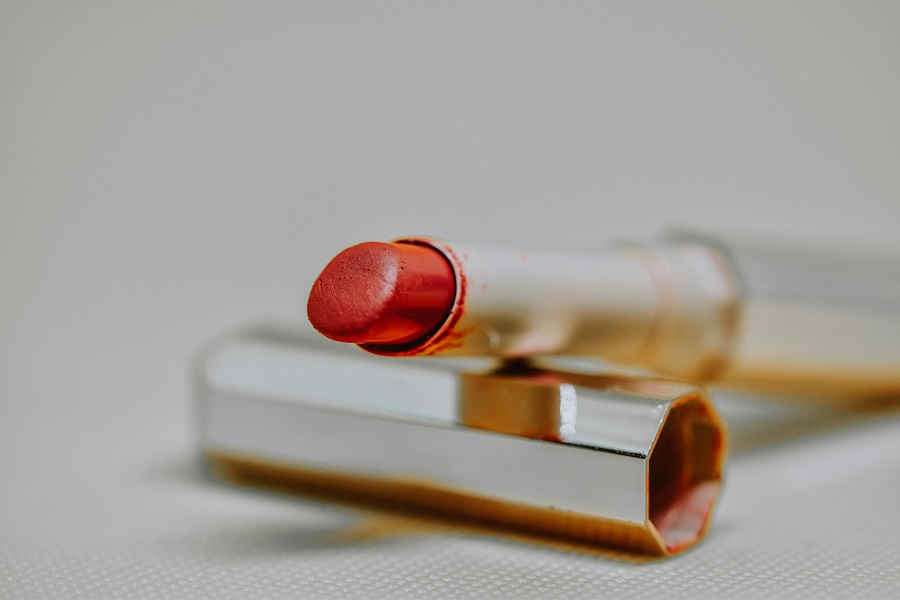
Carmine red pigment

If a lipstick is not vegan, carmine is usually the reason. Carmine is a red pigment made from crushed female cochineal insects, and according to Marie Claire UK it takes around 70,000 of them to produce a single pound of the dye. It has coloured lipstick for centuries because it is vivid and holds its shade through heat and wear, which is precisely why it is still everywhere.

The catch for label-reading is that carmine travels under several names. On an ingredient list it can appear as carmine, cochineal extract, crimson lake, Natural Red 4, CI 75470, or E120. Learn those six and you can screen any red, pink or berry lipstick in seconds, because that is where it hides. See any of them, and whatever the front of the tube claims, the product is not vegan.

The word on the back tells you the truth the word on the front is dodging.

The other Animal Ingredients Hiding further Down

Carmine is the famous one. Beeswax is the quiet one. Listed as cera alba, beeswax is one of the most common lipstick bases there is, and lanolin, silk and honey turn up in formulas too. A vegan lipstick swaps beeswax for plant waxes instead, usually candelilla or carnauba, so those are the words you want to see in that slot.

And a values-led shop is not a shortcut here either. Ziracle’s own Lip Colour aisle still lets you filter for beeswax formulas, because plenty of lovely, well-made lip products contain it. Natural does not mean vegan, even in a curated edit. You still check.

The Honest Catch: A Vegan Red Asks a Small Trade

The reason carmine held on so long is performance, and it is worth being straight about that rather than pretending the switch is free. “Carmine is everywhere, from food and alcohol to paint, medication and lipstick,” says Carisa Janes, founder and chief executive of Hourglass Cosmetics, speaking on the launch of the brand’s carmine-free red. “Creating a vegan alternative felt like an impossible feat at times, but it was such an important step.” She would know: making a true vegan red was hard enough that most of the industry did not bother for years.

reason carmine held on so long is performance

In practice, that means a plant-pigmented lip colour tends to give you a buildable flush rather than a bold, opaque swipe, and older vegan reds could fade or shift faster than a carmine one. The gap has narrowed a lot as mineral and synthetic pigments have improved, and you can close the rest yourself: line the lips first, build the colour in thin layers, and blot. If you want a loud, long red, choose a mineral-pigment matte rather than a sheer balm and go in knowing which you picked.

Does the Word “Vegan” on the Front Mean Anything?

Sometimes anyone can print it, which is why a certification does the checking for you. The Vegan Society’s Vegan Trademark verifies that a product contains no animal ingredients and involves no animal testing, so a lipstick carrying it has already passed the label-read you would otherwise do by hand. “Cruelty-free,” certified by Cruelty Free International’s Leaping Bunny, is a separate promise: no animal testing, which is not the same as no animal ingredients. A lipstick can be cruelty-free and still contain carmine.

So if you want both, look for both marks. And where a product is not certified, the three sections above are your fallback: no carmine under any of its names, no beeswax, plant waxes named instead.

So which one should you buy?

Match the pick to what you are buying for. For an everyday vegan lipstick that behaves like a proper one, Glisten Cosmetics’ Sober Nude Matte Duo Lipstick (£10) is labelled vegan and cruelty-free, a dual-ended matte that does the daily work without fuss. For a real red without a single insect in it, Seeds of Colour’s Ruby Shoes (£21) is the proof the trade-off is manageable: its ruby comes from blackcurrant, radish and paprika pigments in a candelilla-wax balm, no carmine and no beeswax, buildable across lip, cheek and lid. And if you want something sheer and nourishing, an argan-oil tint like Douvalls’ Argan Lip and Cheek Colour Oil (£18) is the gentlest way in, though as with any range, glance at the mark before you buy.

The filter is small enough to hold in your head: no carmine under any of its names, no beeswax, plant waxes named, and a Vegan Trademark if you would rather not check by hand. Everything in the Cruelty Free Lip Colour edit is filtered on the vegan side already, and it keeps the underarm-to-lipstick logic of a wider Healthy Skin routine going. If the ingredients question is what pulls you, it runs through the rest of the bathroom shelf too, which we get into in microplastics in cosmetics.

You do not need a rounded-up list to shop this well. You need one word on the back of the tube, and now you have it.

FAQs

What is the difference between vegan and plant-based lipstick?

Vegan means no animal-derived ingredients at all, which is a defined claim. Plant-based and natural are unregulated marketing terms that say nothing reliable about animal content, so a lipstick can be sold as natural and still contain carmine, a pigment made from insects. If vegan is what you want, read the ingredient list rather than trusting the front of the tube.

How do I know if my lipstick contains carmine?

Check the ingredient list for carmine and its other names: cochineal extract, crimson lake, Natural Red 4, CI 75470, and E120. It is most common in reds, pinks and berry shades. If none of those appear, the colour is coming from plant or mineral pigments instead, which are vegan.

Is vegan red lipstick as long-lasting as normal red lipstick?

It can be, though historically vegan reds traded a little saturation and staying power because carmine is hard to match. Newer mineral and synthetic pigments have closed most of that gap. For the boldest, longest wear, choose a mineral-pigment matte over a sheer plant balm, line your lips, and build the colour in layers.

The best natural deodorants in the UK

You have probably tried a natural deodorant already. Worn it for a fortnight, then quietly gone back to the old aluminium stick when it let you down by mid-afternoon or left your underarm red and sore. Here is the part nobody tells you: it did not fail because natural deodorant cannot work. It failed for one of three reasons, and each has a fix.

Most buying guides just hand you a ranked list and wish you luck. That is not much use if the last one you bought was well reviewed and still did not work for you. So this one works backwards, from why yours let you down to the one worth trying next, because the right pick depends entirely on which problem caught you.

Natural Deodorant is not a Worse Antiperspirant, it is a different Product

A natural deodorant manages smell. It does not stop you sweating, and that mix-up is the single most common reason people decide it has failed. If you judged it on how dry your armpit stayed, you judged it on the wrong thing.

Here is why the distinction matters. “Sweat itself does not smell,” says Dr Adam Friedman, professor and chair of dermatology at the George Washington University School of Medicine and Health Sciences. “It’s that the normal bacteria that live on our skin in this particular location convert something in the sweat to something else, and that’s what smells.” A deodorant works on that second step, the bacteria and the odour. An antiperspirant does something different: it uses aluminium salts to plug the sweat ducts so less comes out at all.

So a natural deodorant will let you sweat. That is not it failing. That is it doing a different job from the product you replaced, and the whole point of switching.

Reason One: The Baking Soda gave you a Rash

the baking soda gave you a rash

If your armpit went red, itchy or sore, the culprit is almost always baking soda. Sodium bicarbonate sits at around pH 9, while your skin is slightly acidic at roughly 4.5 to 5.5, and that gap disturbs the skin barrier. Dermatologists now flag it routinely when someone turns up with underarm dermatitis weeks after switching to a “natural” stick, and weeks is the tell: the irritation often builds slowly, so people blame the wrong thing.

The fix is simple. Skip baking soda entirely and choose a formula built on magnesium, zinc or arrowroot instead, which control odour without the alkaline sting. On the label, look for the words “bicarb-free” or “baking soda free,” and if your skin is easily upset, go unscented too, since essential oils are a second, smaller source of irritation.

This is exactly what Kutis Skincare’s Bicarb Free Natural Deodorant (£7.25) is for. It is a plastic-free stick made for reactive skin, and the unscented version strips out both irritation risks at once. If a rash is what sent you back to the aluminium, start here, and give your skin a week to calm down first. It is also the gentlest place to protect the underarm skin behind your broader Healthy Skin routine.

Reason Two: You Quit during the two-week Adjustment

The first fortnight off antiperspirant is worse before it is better, and most people give up right in the dip. Your sweat glands are no longer plugged, so for a couple of weeks you sweat more and smell more while your skin finds its balance. It passes. People who push through almost always stop noticing it.

Riding it out is mostly patience plus small habits. Wash properly morning and evening, reapply once in the afternoon rather than expecting one morning swipe to last sixteen hours, and give it a full two weeks before you judge. A cream or a spray reapplies more easily on the go than a stick, which matters more in that first fortnight than at any point after.

Two weeks is the number to hold onto. Quit on day four and you have tested nothing except the worst part.

Reason Three: It was a weak Formula, so buy a better-made one

Some natural deodorants are simply underpowered, and no amount of patience fixes a thin formula. The ones that hold up name what is in them, lean on essential oils that keep working through the day, and are easy to top up.

Two on Ziracle earn it for different reasons. Haoma’s Floral Organic Deodorant is the one for a proper, lasting scent: a small-batch English spray built on ten organic plants in a witch hazel base, certified Soil Association Organic and registered with the Vegan Society, with no aluminium and no baking soda. The brand was started by someone who had tried one natural deodorant after another and kept getting the same let-down, which is a fair sign it was built to solve the exact problem you are having. One practical note, it is an alcohol-based spray, so let it dry and skip it straight after shaving. If you would rather ease in with a gentler format, SKNFED’s cream deodorant (£7.50 for the travel size) is aluminium-free and a low-commitment way to find out whether a cream suits you before committing to a full one.

The filter that separates these from the duds is small: a named set of actives, a format you will actually reapply, and, as a tiebreak, real certification or a wall of reviews rather than a nice bottle.

The Aluminium Question, Answered Straight

aluminium antiperspirant causes

The fear that pushes most people to switch, that aluminium antiperspirant causes breast cancer, is not supported by the evidence, and it is worth saying plainly. Cancer Research UK says there is no convincing evidence that antiperspirants or deodorants affect breast cancer risk, and the US National Cancer Institute agrees the research does not show a link.

So switch for reasons that hold up rather than a scare. Plenty of people prefer not to block their sweat glands at all, or want fewer synthetic ingredients against their skin and packaging that is not more throwaway plastic. Those are good reasons, and they are honest ones. If it is the ingredients side that pulls you, the same logic runs through the rest of your bathroom shelf, which we get into in microplastics in cosmetics. Fear is not the reason to change. Preference is reason enough.

So which one should you buy?

Match the pick to the problem that caught you. If your skin reacted, go bicarb-free and unscented, which is the Kutis stick. If you want a scent that lasts the day, the Haoma spray is the one. If you are still deciding whether a natural deodorant is for you at all, the SKNFED cream is the low-stakes way in. And whichever you choose, give it the full two weeks, because the switch only sticks when your expectations and your skin have both had time to catch up.

You did not fail at natural deodorant, and it did not fail you. You were sold the wrong expectation with no instructions. Now you have both. Browse the plastic-free, Cruelty Free Deodorant edit and pick the one that fixes your actual problem.

FAQs

Does natural deodorant stop you sweating?

No. Natural deodorant tackles odour, not wetness, by working on the skin bacteria that turn sweat smelly. Only an antiperspirant reduces sweating, using aluminium salts to block the sweat ducts. If a dry underarm is your priority, natural deodorant will disappoint you; if odour is the real issue, it does the job.

How long does switching to natural deodorant take to settle?

About two weeks. Once you stop blocking your sweat glands you will sweat and smell more at first, which is the adjustment most people mistake for failure and quit during. Wash morning and evening, reapply in the afternoon, and give it a full fortnight before deciding.

Is the aluminium in antiperspirant actually dangerous?

The evidence does not support the common fear. Cancer Research UK says there is no convincing evidence that aluminium in antiperspirants affects breast cancer risk, and the US National Cancer Institute agrees. Switching to natural deodorant is a reasonable preference for ingredients or for not blocking sweat, but it is not something to do out of fear of cancer.

best vegan gifts for her

How to Pick a Vegan Gift She Will Actually Use

The best gift is one she reaches for again, not one that sits in a drawer being admired. And “vegan” only means something on the gifts that usually are not: a body oil or balm, where beeswax and lanolin are standard; skincare, which often leans on collagen; chocolate and cheese, which normally start with milk; and a bag or purse, which is normally leather. A vegan candle or a crystal was always going to be vegan, so it is a nice gift but not really a vegan one.

The checking is done for you. Everything in the Vegan Gifts edit is screened as free from animal-derived ingredients and by-products, and the Gifts for Her selection narrows it to presents she will want. The eight below span about seven pounds to eighty, so there is something whether you are buying for a colleague or a partner. If she is newly plant-based, our vegan living guide makes a nice card-filler alongside.

A vegan gift should be something she would have chosen herself, not a compromise she has to be polite about.

The Best Vegan Gifts for Her

At a glance

  • Under £10, a lovely small gift: Arora London “You are Loved” Body Oil (£7.50)
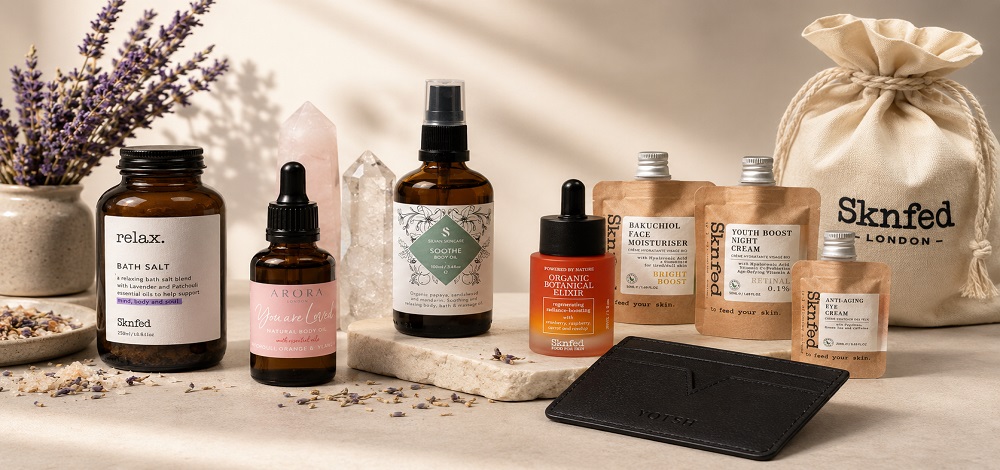
  • For a pampering bath: SKNFED Relax Bath Salt (£18)
  • For a self-care lover: Silvan Skincare Soothe Body Oil (£20.50)
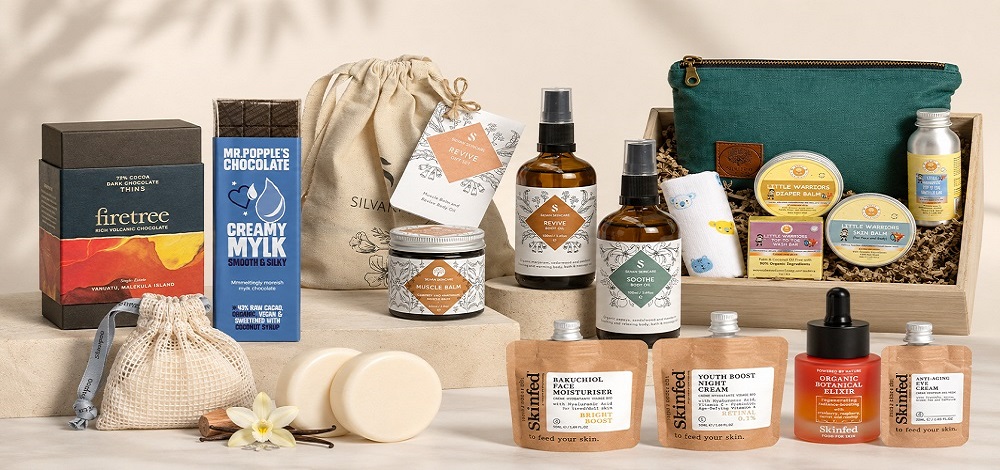
  • For a chocolate lover: Firetree Dark Chocolate Set (£27)
  • For the skincare fan: SKNFED Wellbeing Discovery Set (£30)
  • For a foodie: Honestly Tasty Full Plant-Based Cheeseboard (£35.50)
  • For the everyday carry: Votch Bamboo-Leather Card Holder (£39.20)
  • The splurge: SKNFED Anti-Aging Skincare Collection (£79)

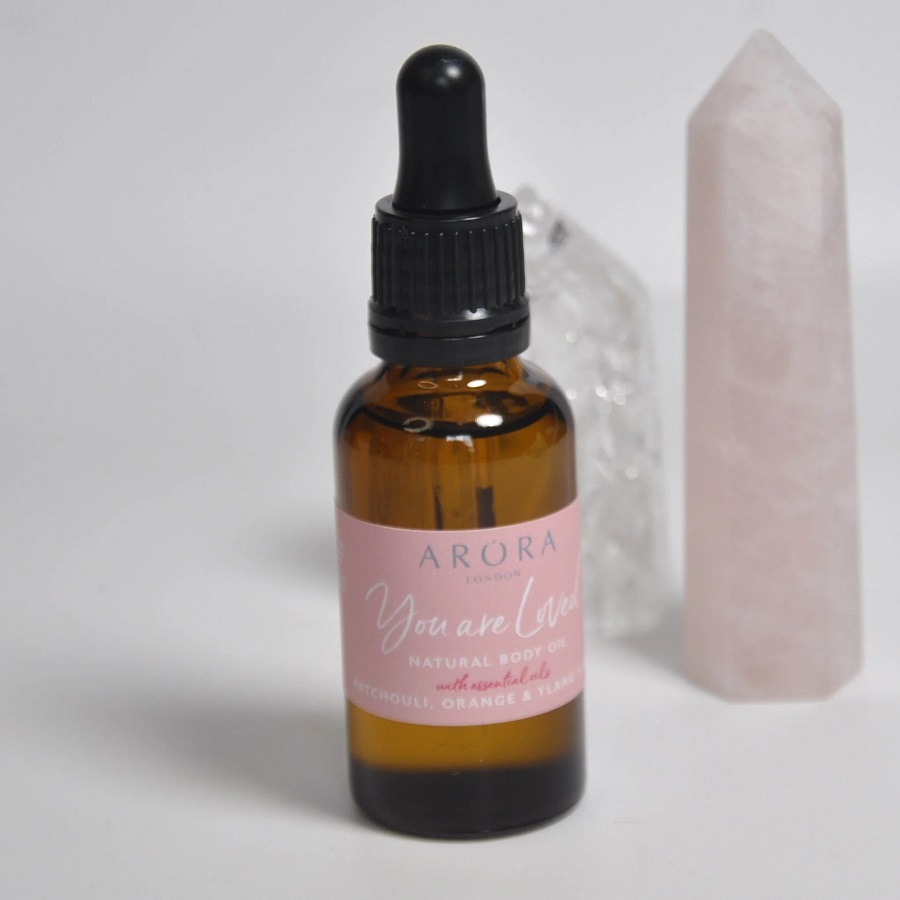
Under £10, a lovely small gift. The Arora London “You are Loved” Body Oil (£7.50) is a plant-oil blend of patchouli, sweet orange and ylang ylang, made without the beeswax or lanolin body oils often carry. A considered little gift for a secret Santa or a thank-you, in a size she will use up rather than shelve.

Arora London You are Loved Body Oil

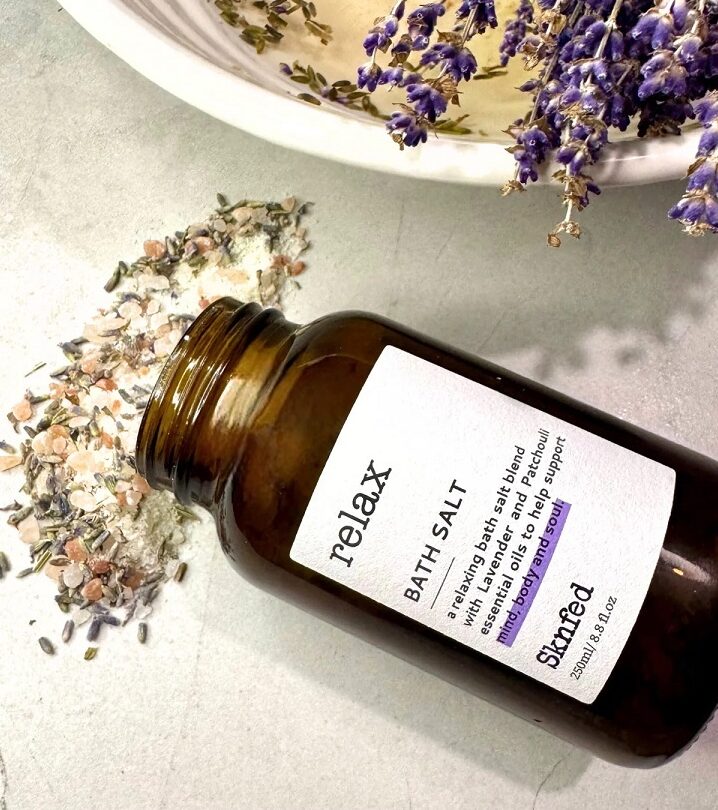
For a pampering bath. The SKNFED Relax Bath Salt (£18) with lavender and patchouli is the low-risk winner for anyone who talks about needing to unwind, and it skips the milk and honey that bath products often lean on. Used up in the nicest way, so there is no clutter, which makes it a good repeat gift year to year.

SKNFED Relax Bath Salt

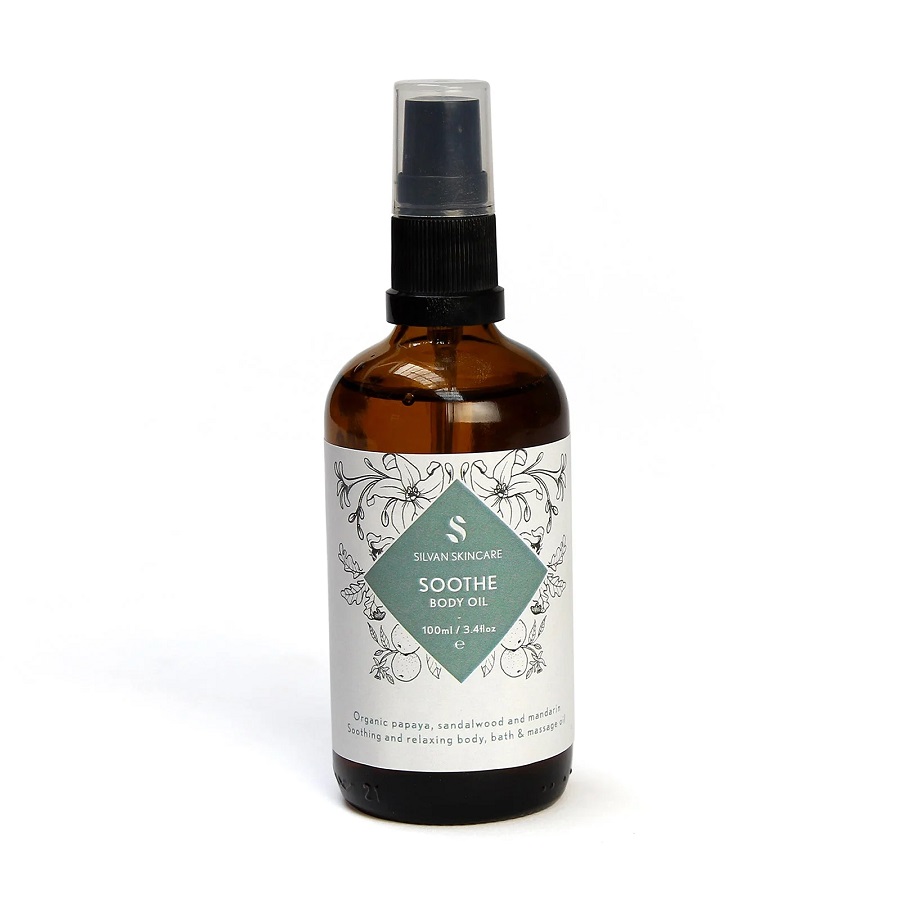
For a self-care lover. The Silvan Skincare Soothe Body Oil (£20.50) with papaya and sandalwood is a spa-at-home present, a body oil made without beeswax and properly cruelty-free. Good for the person who runs a bath and lights everything.

Silvan Skincare Soothe Body Oil

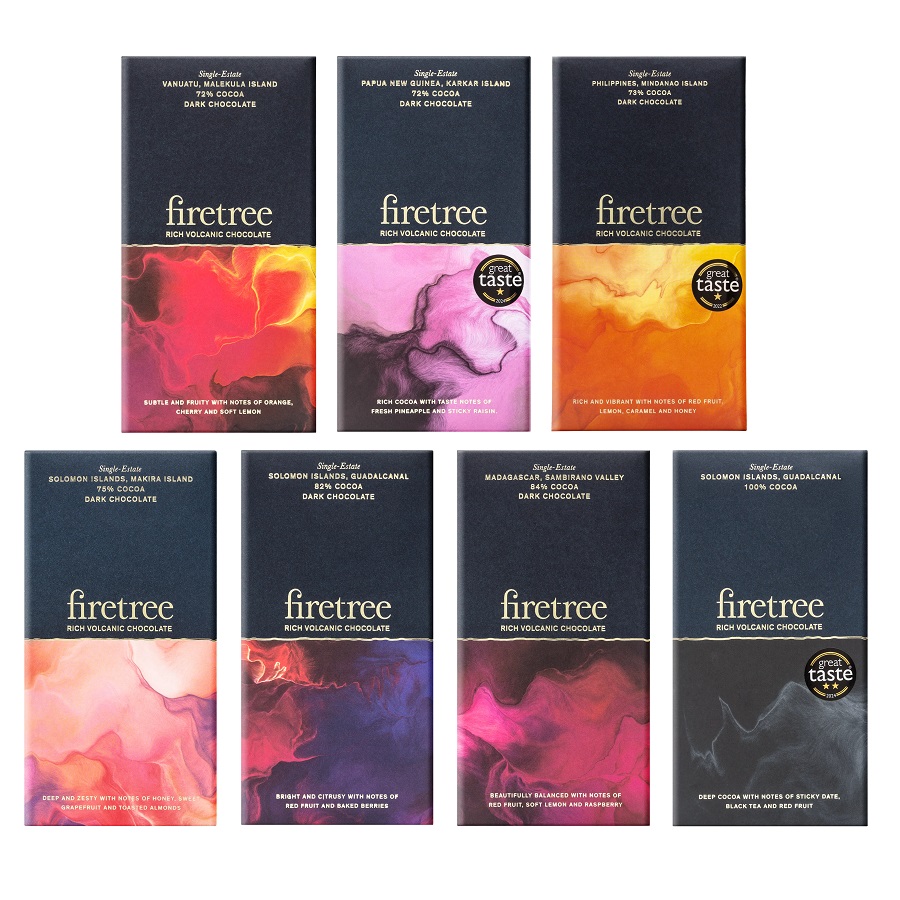
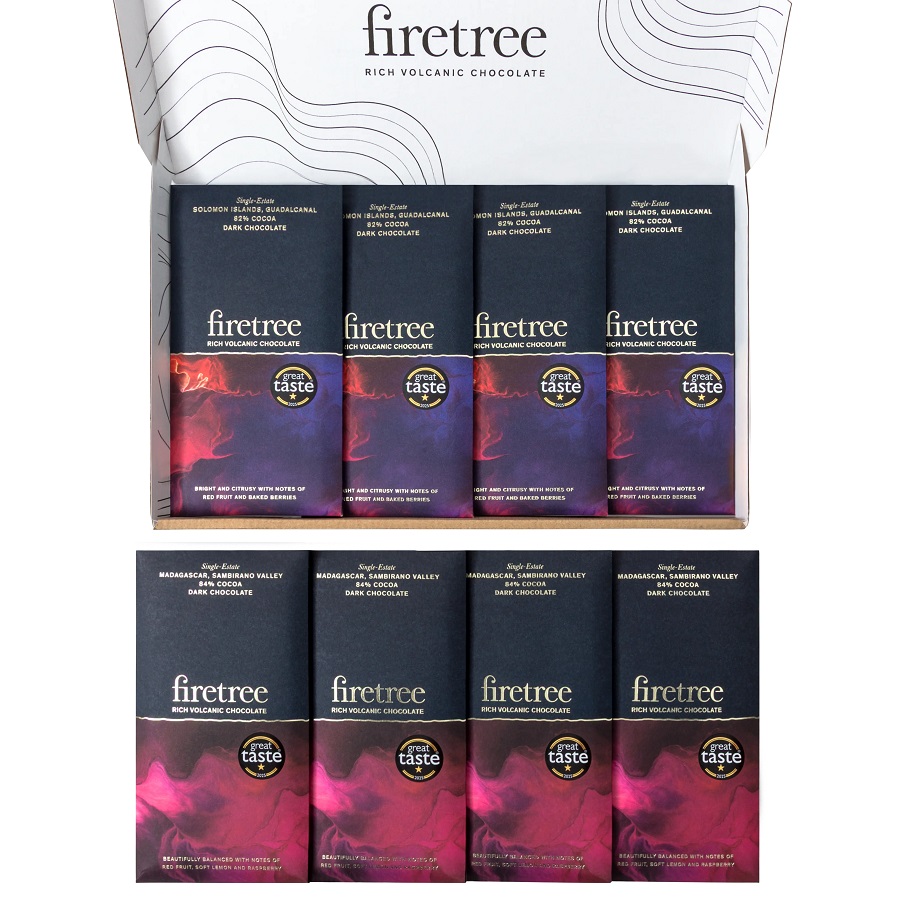
For a chocolate lover. The Firetree Dark Chocolate Set (£27) is seven single-origin bars, dairy-free by nature rather than by compromise, for the woman who tastes chocolate like wine. The gift that proves vegan chocolate is not a downgrade.

Firetree Dark Chocolate Set

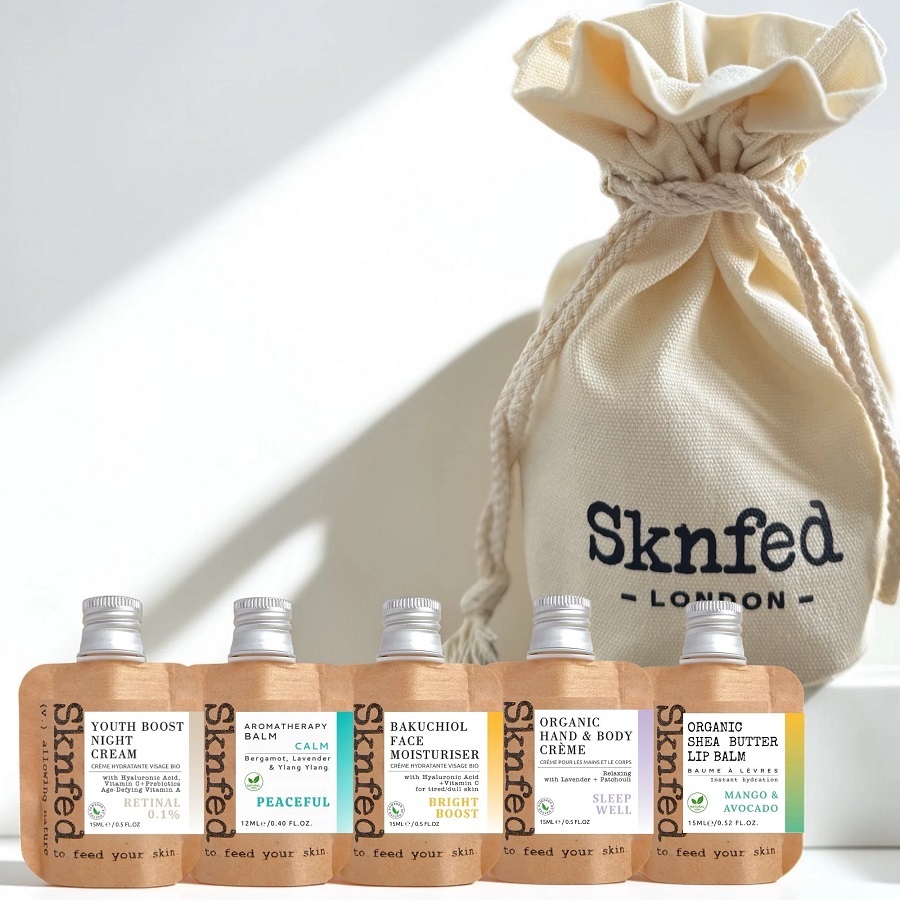
For the skincare fan. The SKNFED Wellbeing Discovery Set (£30, down from £47.50) is a set of natural skincare minis made without collagen, the ideal way to gift skincare because she gets to try several things rather than being committed to one you guessed at. Buy this for the person forever screenshotting routines.

SKNFED Wellbeing Discovery Set

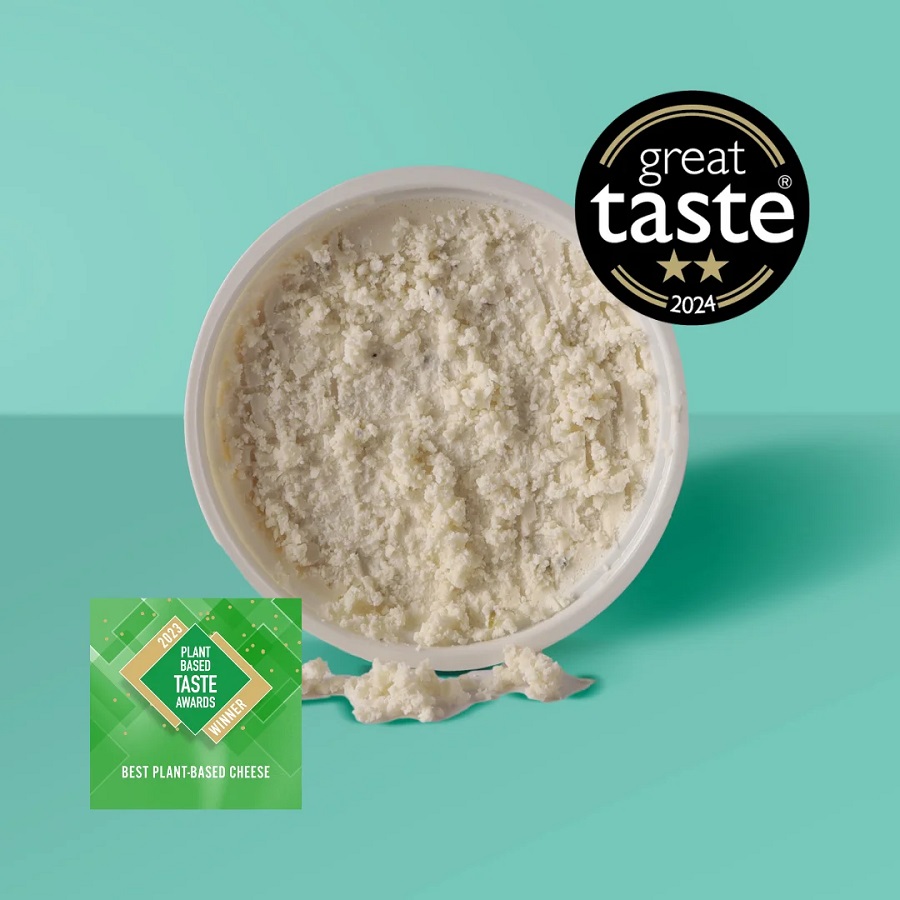
For a foodie. The Honestly Tasty Full Plant-Based Cheeseboard (£35.50) is the gift that surprises people, because good dairy-free cheese is not what most expect. A fun present for a dinner-party host or anyone plant-curious, and a talking point rather than a token. More pairings in the Food & Drink Gifts edit.

Honestly Tasty Full Plant-Based Cheeseboard

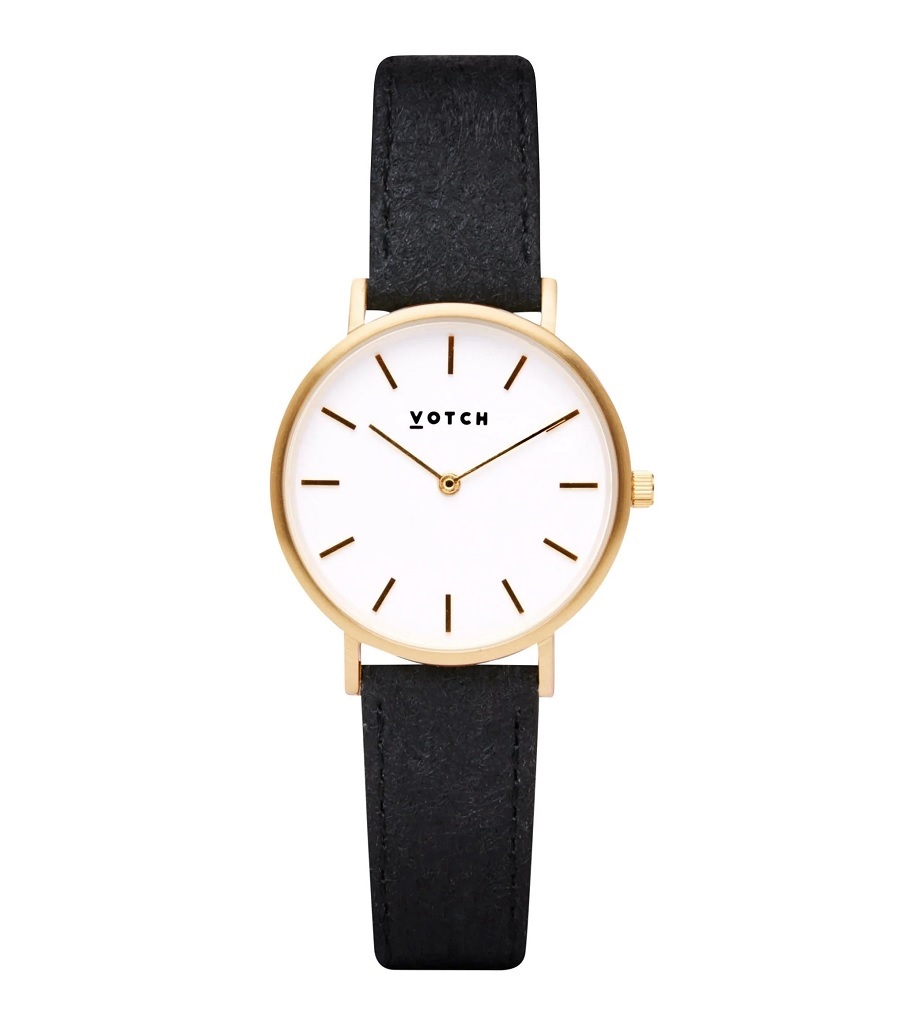
For the everyday carry. The Votch Bamboo-Leather Card Holder (£39.20, down from £49) is a sleek, bio-based vegan-leather holder, the real alternative to a leather one and a rare vegan gift in the accessories aisle. For the minimalist who carries three cards and a phone.

Votch Sol Bamboo Leather Card Holder

The splurge. The SKNFED Anti-Aging Skincare Collection (£79, down from £104), built around retinal and bakuchiol rather than collagen, is the statement gift for a partner or a big birthday. It reads as generous and it is the kind of thing she would hesitate to buy herself, which is exactly what a splurge should be. Browse the Beauty Gifts edit for more at this end.
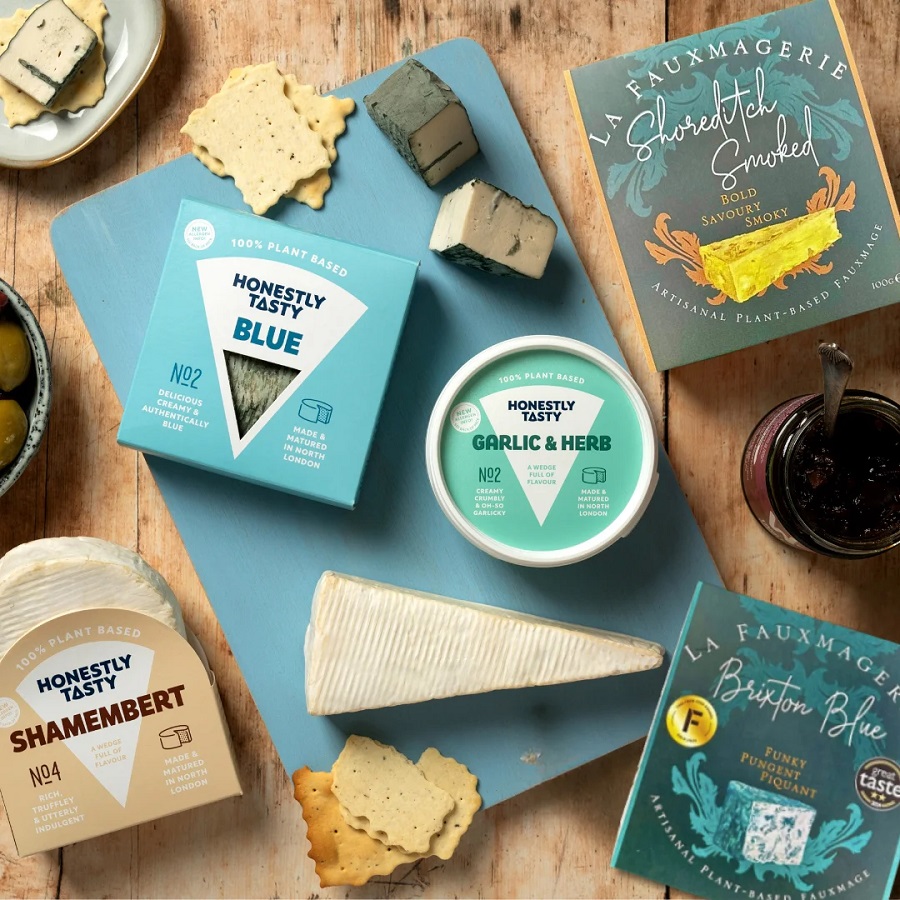
SKNFED Anti-Aging Skincare Collection

Frequently Asked Questions

What makes a good vegan gift for her?

Something she will use, in a category where being vegan is a real choice rather than a default. Skincare made without collagen or beeswax, body oils and balms without lanolin, dairy-free chocolate and cheese, and vegan leather all qualify, because the animal-free version is the harder one to find. A vegan candle or crystal is a fine present but not really a vegan one.

Are all of these gifts actually vegan and cruelty-free?

Yes. Every product is checked as free from animal-derived ingredients and by-products before it is listed, which matters most for exactly these categories, skincare, chocolate, cheese and leather, where animal ingredients are easy to miss on a label. If it is in the edit, the labels and certifications have been read for you.

What is a good vegan gift for her under £20?

A body oil at £7.50, a lavender bath salt at £18, or a papaya body oil at £20.50 are all lovely and safe, and each sits in a category where the vegan version is the considered one. Under twenty pounds you are best with a consumable she will finish rather than stretching to a full set.

Vegan Presents and Gift Ideas

Most “vegan gift guides” pad themselves with things that were never going to contain an animal: a candle, a notebook, a pebble on a string. Useful to know they are vegan, but hardly a decision. The gifts where vegan genuinely matters are the ones you would normally have to check: chocolate that usually has milk in it, cheese, balms and creams that lean on beeswax and lanolin, and bags and wallets made of leather. Get those right and you have given something they can enjoy without a second thought.

Everything below is screened as free from animal-derived ingredients before it is listed, so the checking is done. Browse the full Vegan Gifts edit to go wider, the Gifts for Her shortlist to narrow it, or our vegan living guide if the recipient is newly plant-based.

A vegan crystal is just a crystal. Vegan chocolate, cheese and leather are the gifts where the label actually earns its place.

Vegan Chocolate

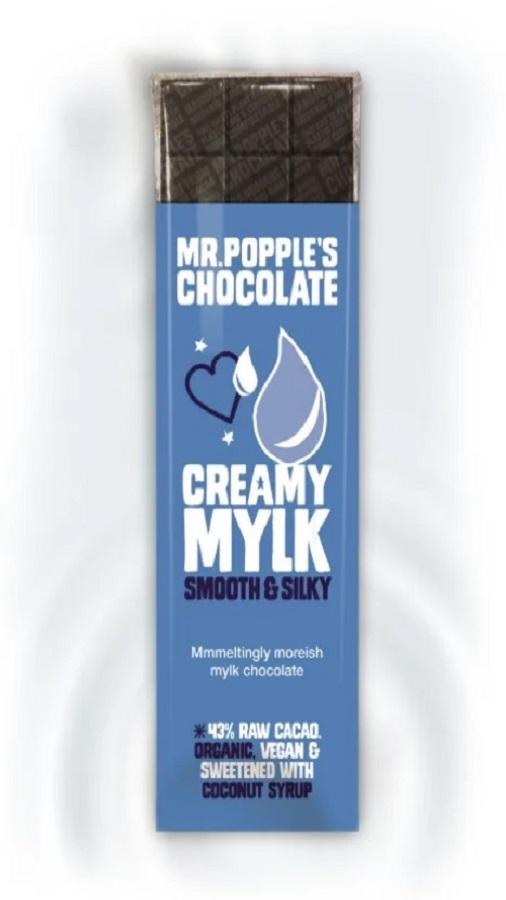
Milk chocolate is the obvious trap, so a good dairy-free bar is the easiest win here. Firetree makes single-origin dark that a chocolate snob will respect, and Mr Popple’s does the harder trick: convincing dairy-free “mylk”.

1. Mr Popple’s Creamy Mylk, £2.65. A dairy-free take on milk chocolate, the stocking filler for the person who thinks vegan chocolate has to be dark.

Mr Popple's Creamy Mylk

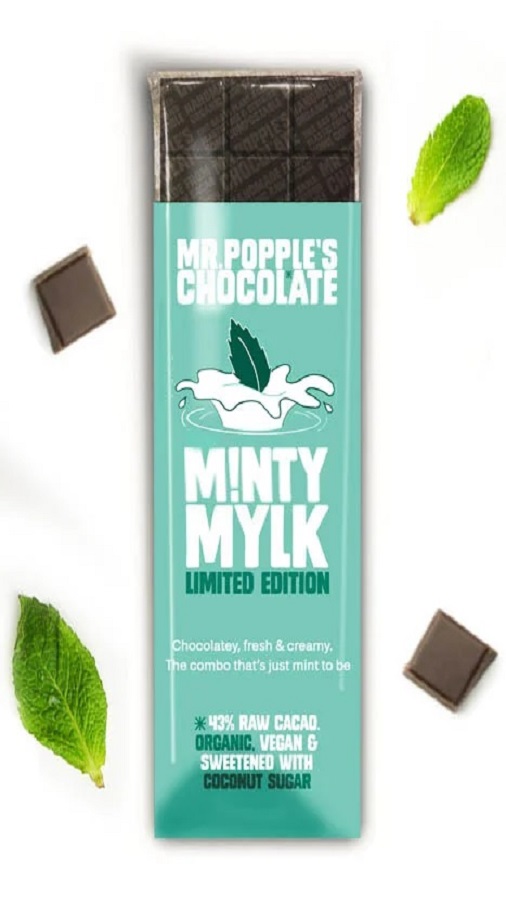
2. Mr Popple’s Minty Mylk, £2.65. The mint version, for the after-dinner-chocolate crowd.

Mr Popple's Minty Mylk

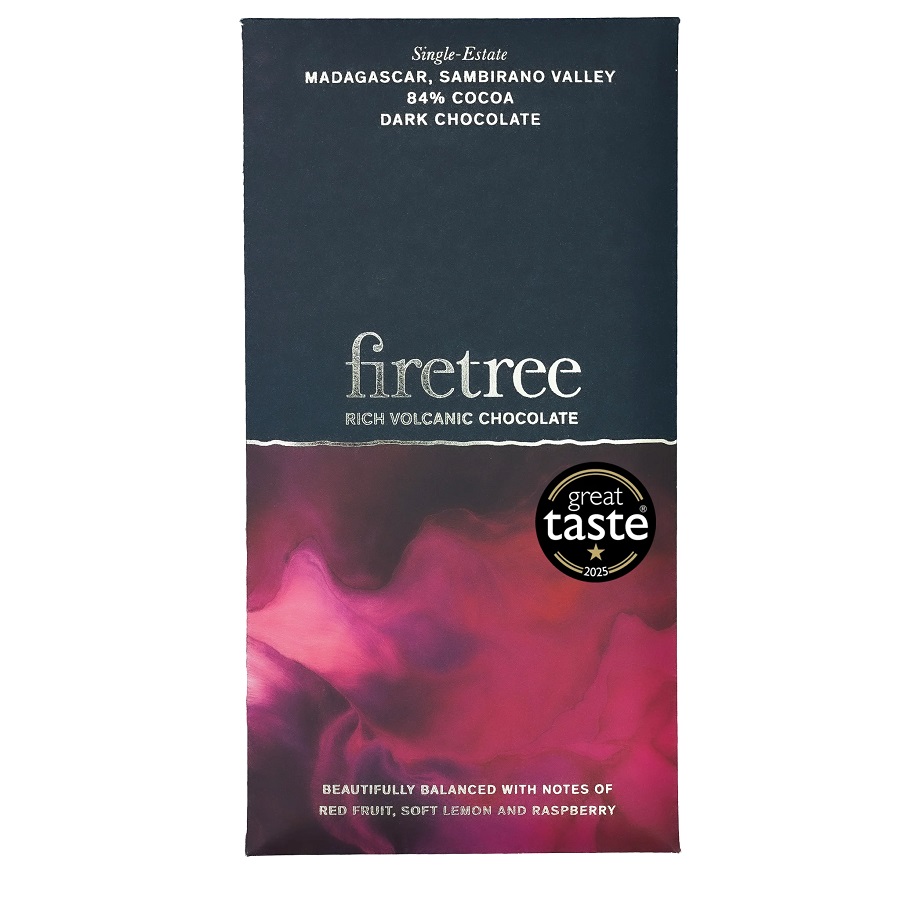
3. Firetree Madagascar Sambirano 84%, £4.25. A fruity single-origin dark bar, a small gift that feels considered.

Firetree Madagascar Sambirano 84%

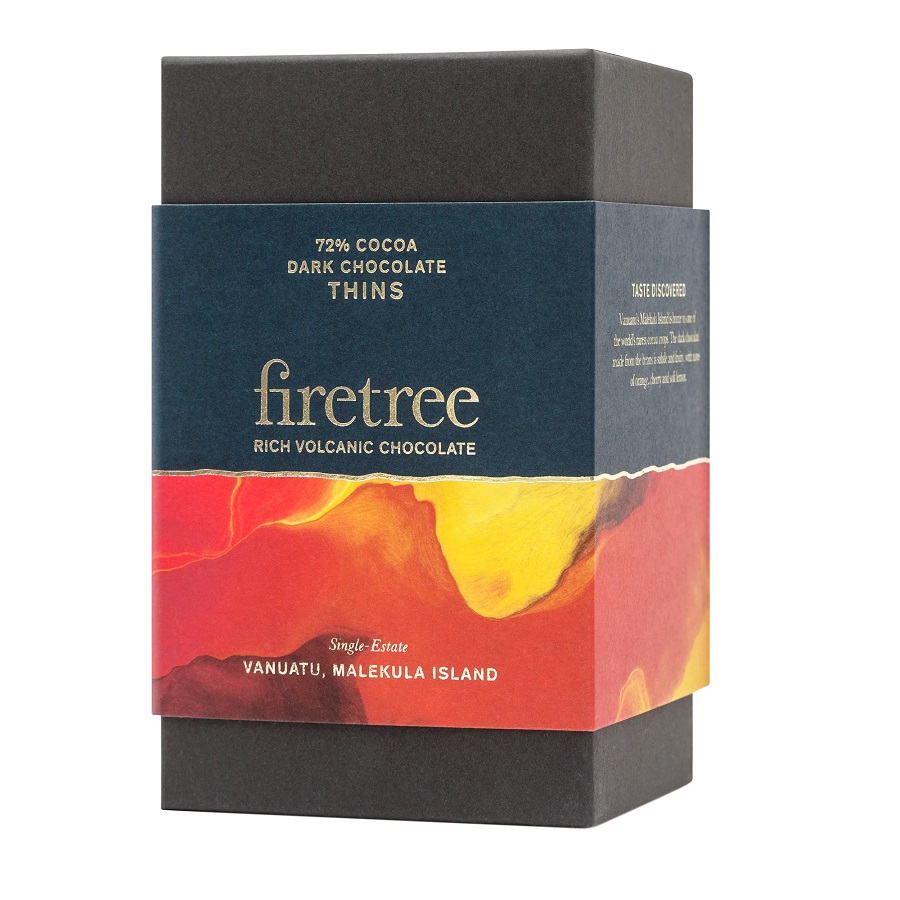
4. Firetree Vanuatu 72% Chocolate Thins, £18. Elegant thins for a dinner-party host.

Firetree Vanuatu 72% Chocolate Thins

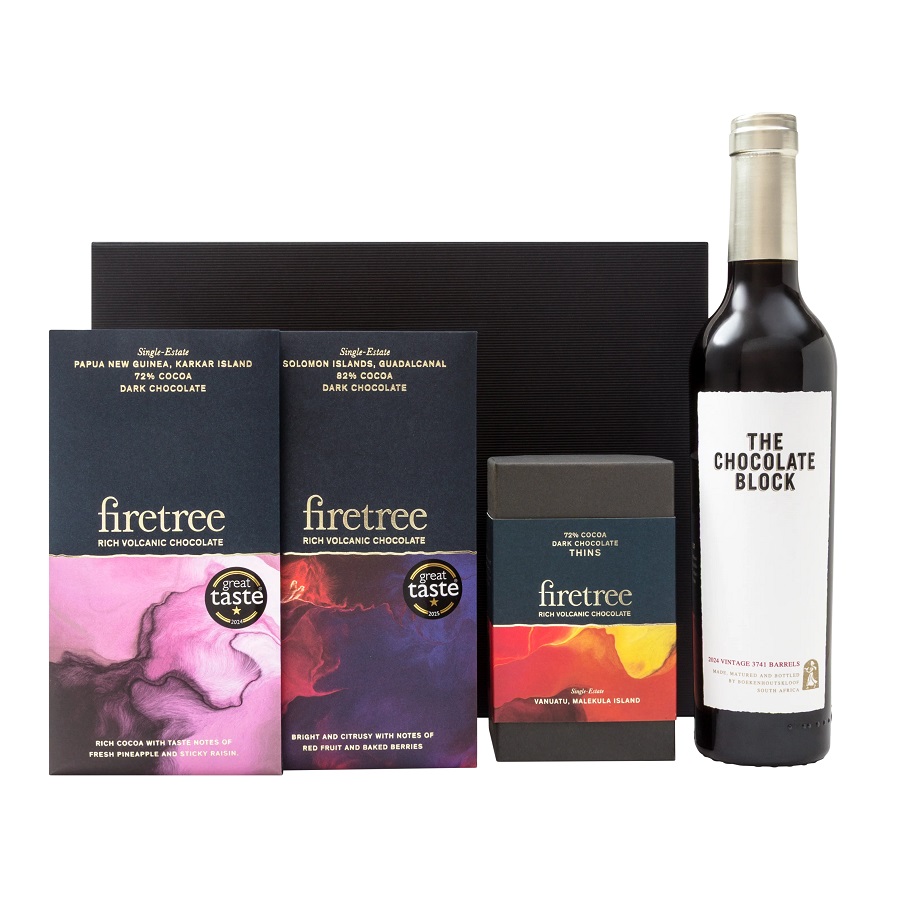
5. Firetree Dark Chocolate Set, £27. Seven single-origin bars, the gift for the person who tastes chocolate like wine.

Firetree Dark Chocolate Set

6. Firetree High Cocoa Letterbox Selection, £30. Posts through the door, the rescue when you have left it late.

Firetree High Cocoa Letterbox Selection

Vegan Cheese

Cheese is the category people do not believe until they try it, which makes it the most surprising gift on this list. Honestly Tasty’s cashew-based range is the one to send a sceptic.

7. Honestly Tasty Garlic & Herb, £4.29. A soft garlic-and-herb style, the low-cost way to convert someone.

Honestly Tasty Garlic & Herb

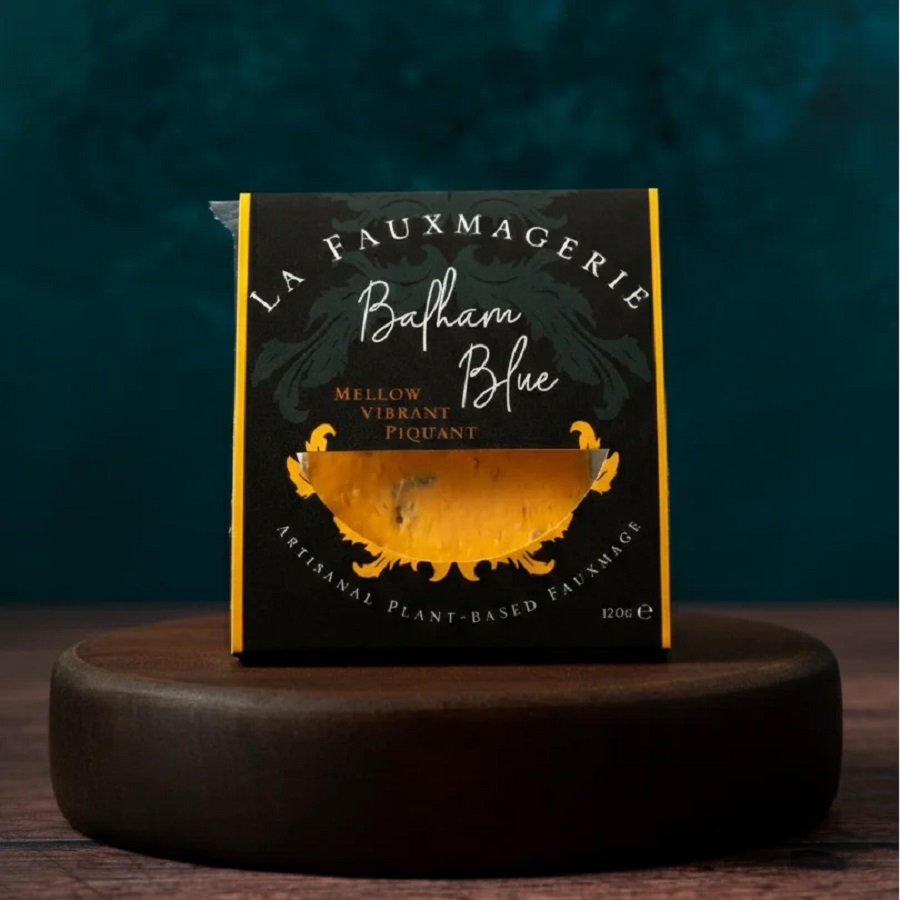
8. Honestly Tasty Balham Blue, £6.89. A vegan blue, which is the one people assume cannot exist.

Honestly Tasty Balham Blue

9. Honestly Tasty Bree, £7.00. A cashew brie for the cheeseboard, gooey as it should be.
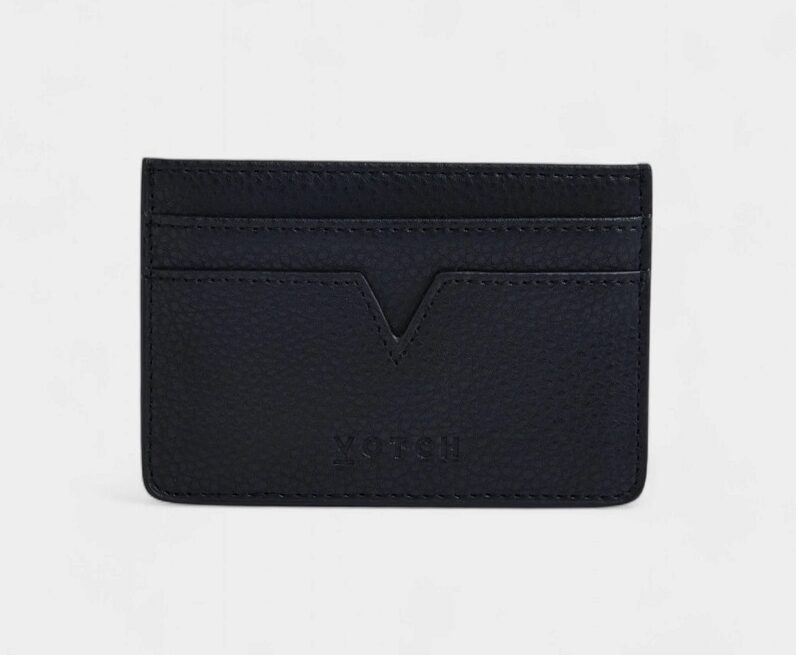
Honestly Tasty Bree

10. Honestly Tasty Camden Collection, £18.49. A cashew fauxmage set, a proper little gift for a foodie.
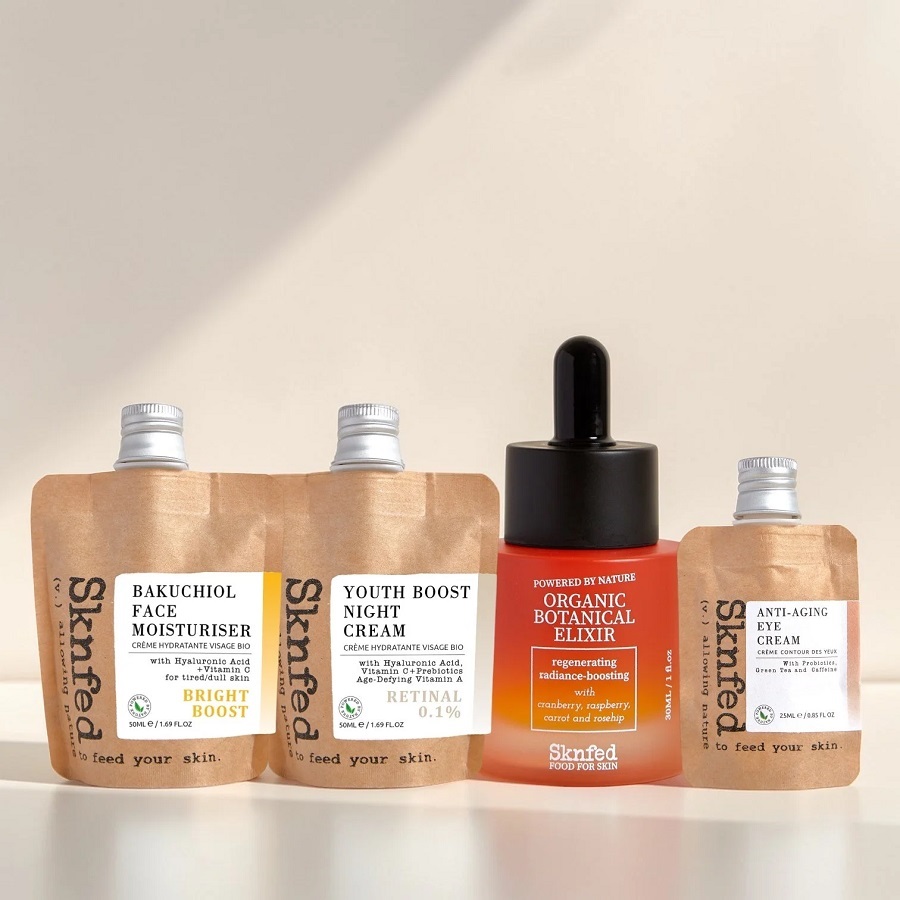
Honestly Tasty Camden Collection

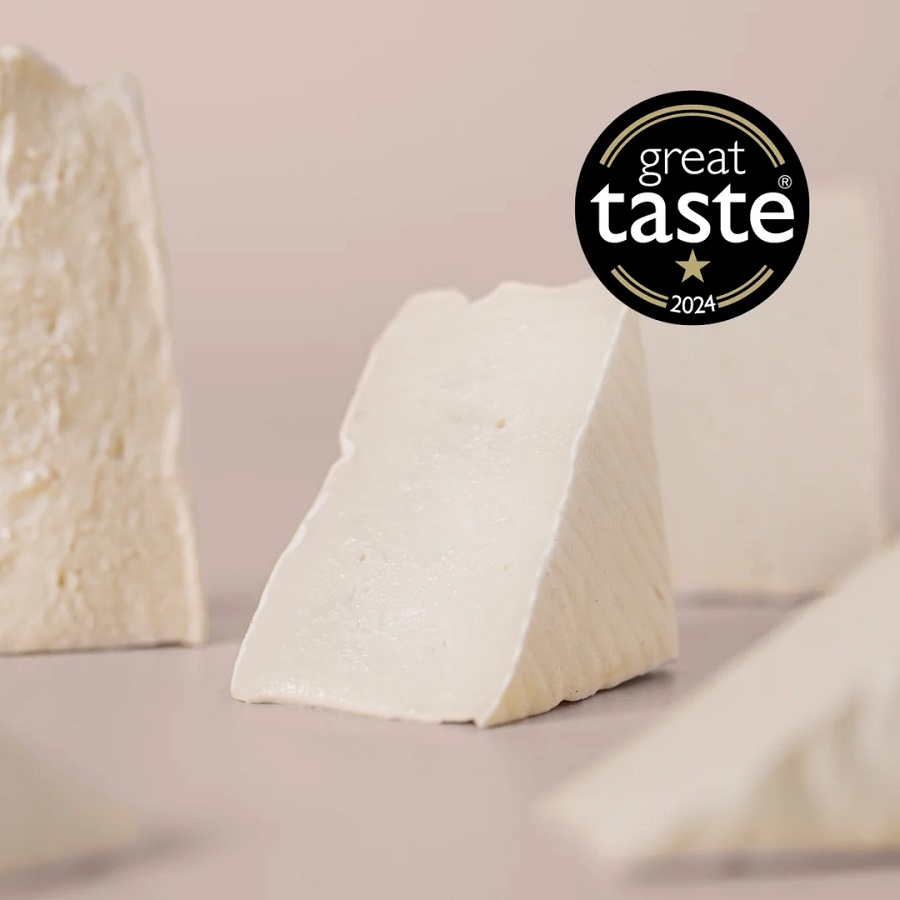
11. Honestly Tasty Full Plant-Based Cheeseboard, £35.50. The showpiece, and the gift most likely to make someone say they cannot tell.
Honestly Tasty Full Plant-Based Cheeseboard

Vegan Skincare, Body and Bath

This is where animal ingredients hide in plain sight: beeswax in balms, lanolin in creams, honey in bath products, collagen in serums. A vegan version is a real choice, not a default.

12. Arora London You are Loved Body Oil, £7.50. A plant-oil blend for the considered small gift.

Arora London You are Loved Body Oil

13. SKNFED Relax Bath Salt, £18. Lavender and patchouli, a bath treat with no milk or honey in it.

SKNFED Relax Bath Salt

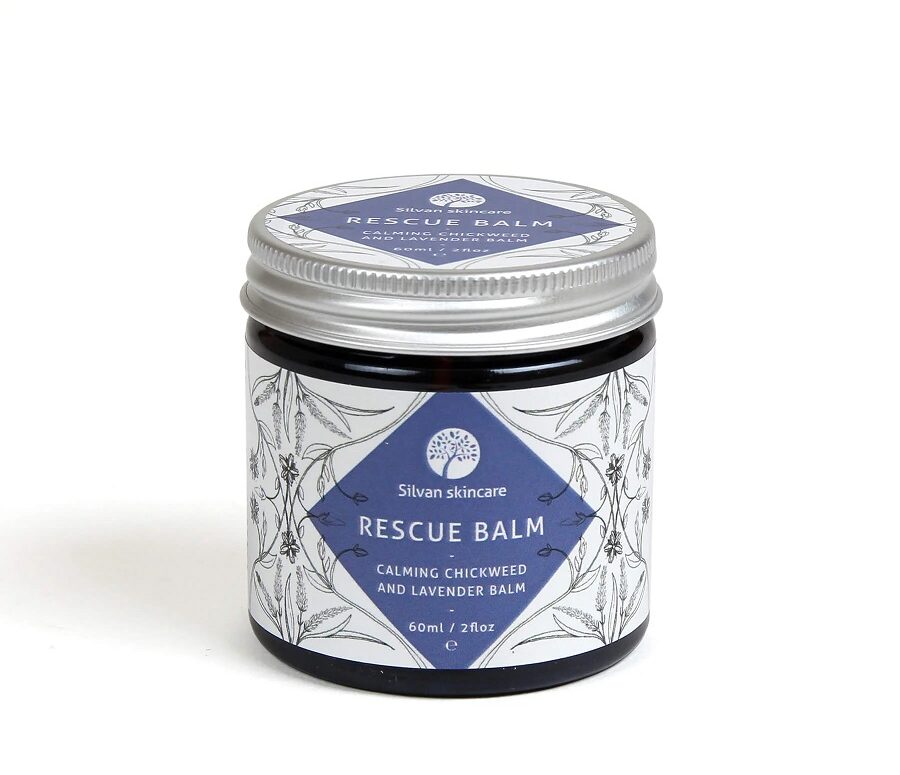
14. Silvan Skincare Rescue Balm, £18.50. A multi-use balm made without the beeswax most balms rely on.

Silvan Skincare Rescue Balm

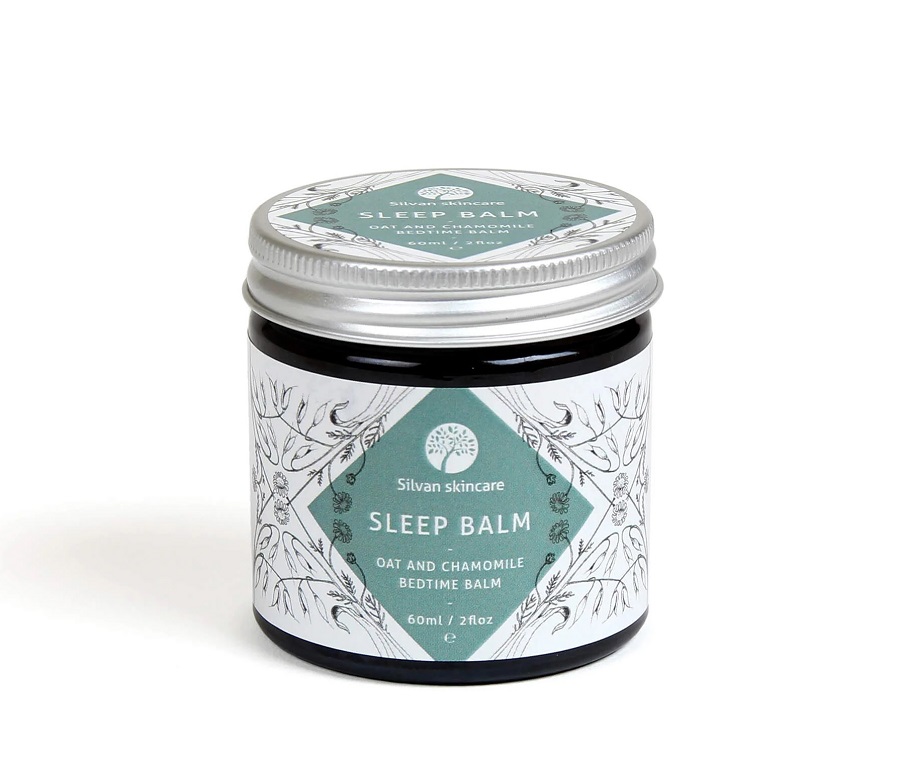
15. Silvan Skincare Sleep Balm, £18.50. A rub-on wind-down for the friend who does not sleep.

Silvan Skincare Sleep Balm

16. Silvan Skincare Soothe Body Oil, £20.50. Papaya and sandalwood, a spa-at-home present that gets used up.

Silvan Skincare Soothe Body Oil

17. SKNFED Wellbeing Discovery Set, £30 (was £47.50). Skincare minis, the safe way to gift skincare without guessing.

SKNFED Wellbeing Discovery Set

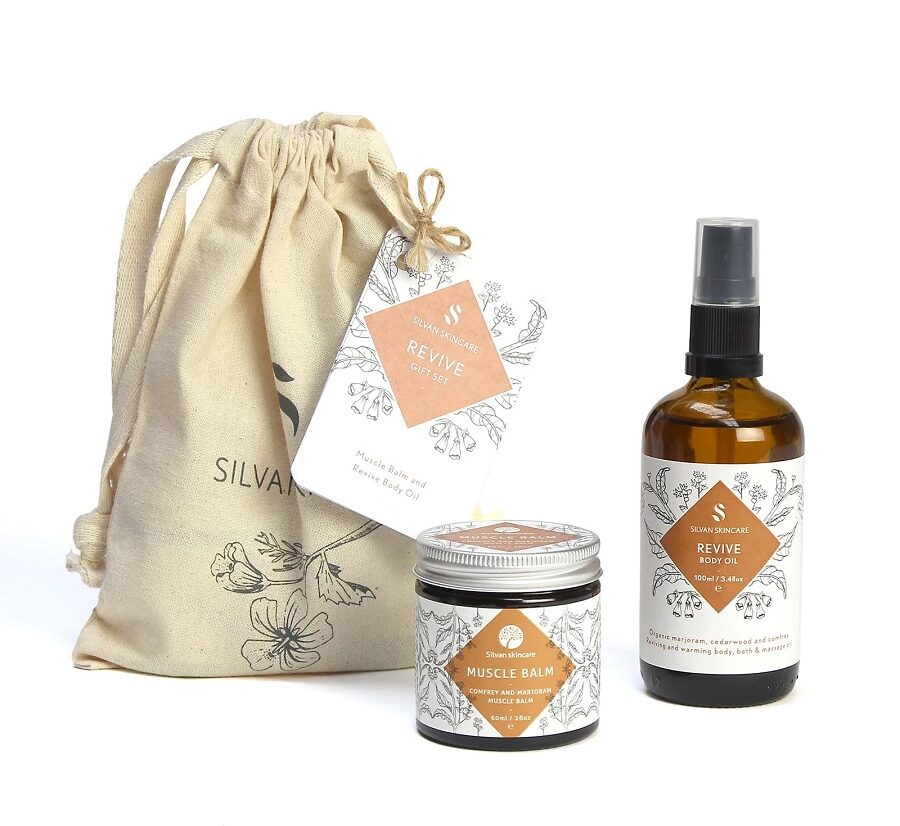
18. Silvan Skincare Revive Gift Set, £40. A fuller set for the person who takes their routine seriously.

Silvan Skincare Revive Gift Set

19. SKNFED Anti-Aging Skincare Collection, £79 (was £104). Retinal and bakuchiol, and no collagen, the vegan splurge. More at this end in the Beauty Gifts edit.

SKNFED Anti-Aging Skincare Collection

Vegan Haircare, Leather and a Few More

Shampoo often carries silk protein or honey, leather is leather, and even a massage candle usually means beeswax, so these are all categories worth checking.

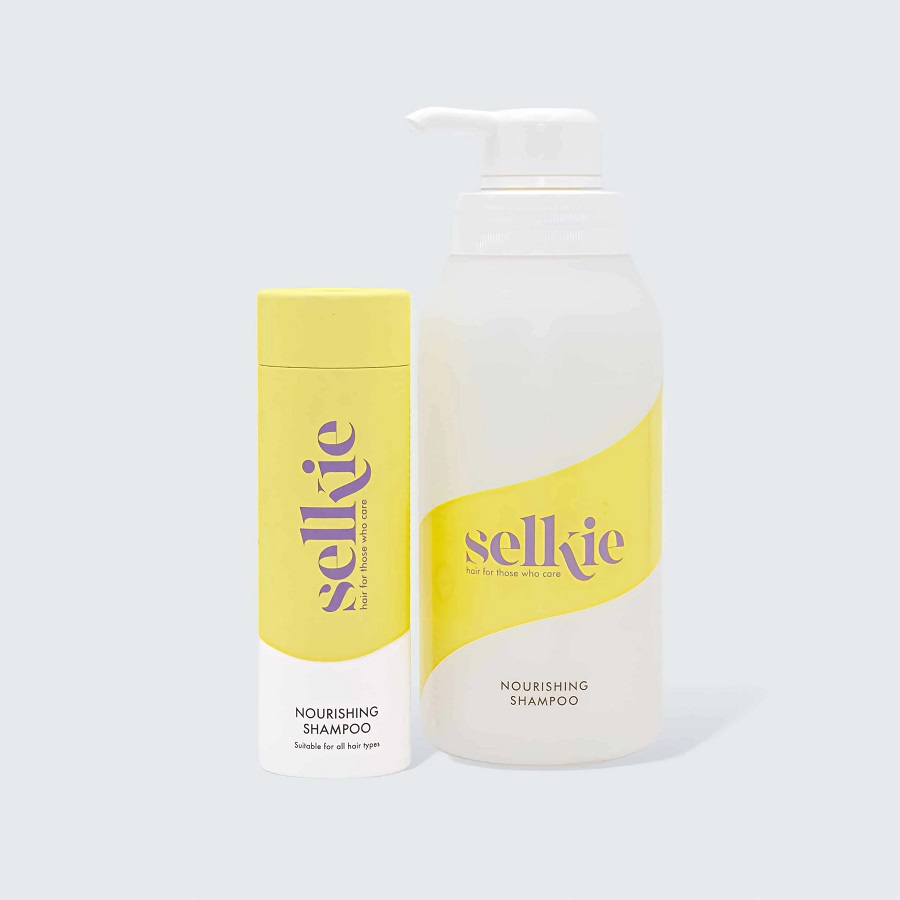
20. Selkie Shampoo Starter Kit, £14.99. Plastic-free haircare made without the silk and honey common in shampoo.

Selkie Shampoo Starter Kit

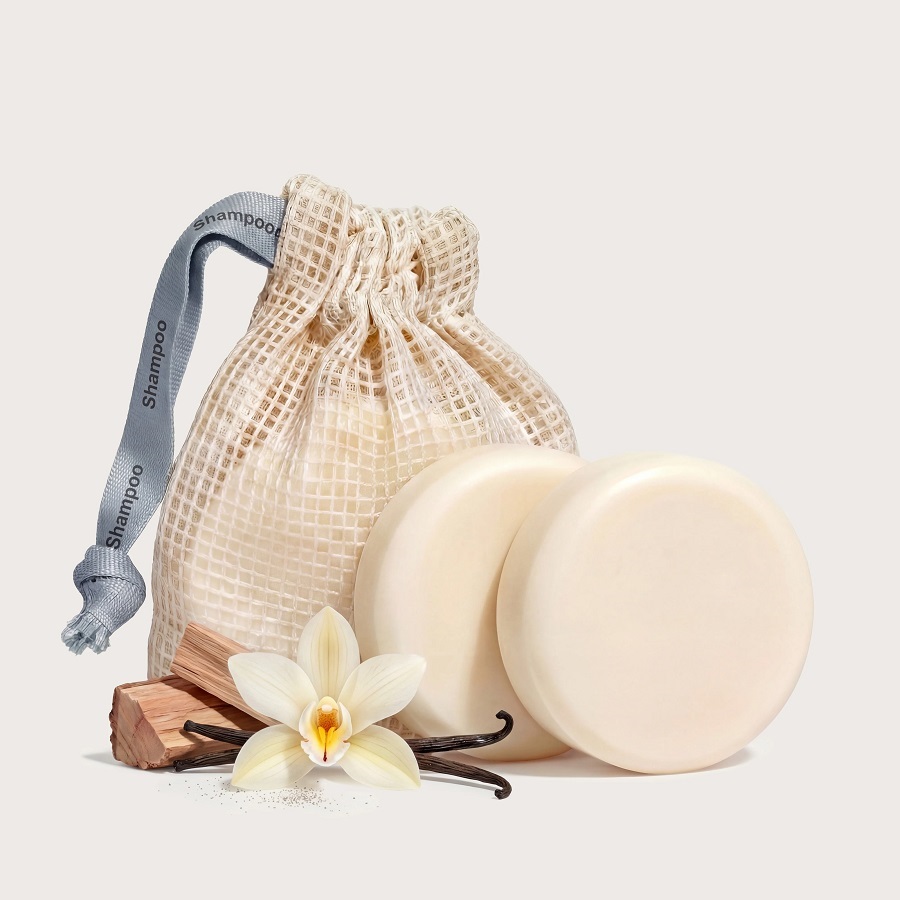
21. Vove Shampoo Bars Set, £17. Rice protein and ginseng bars, a good-looking bathroom gift.

Vove Shampoo Bars Set

22. Votch Sol Bamboo Leather Card Holder, £39.20 (was £49). A sleek bio-based vegan-leather holder, the real alternative to a leather wallet, and a strong gift for him or her.

Votch Sol Bamboo Leather Card Holder

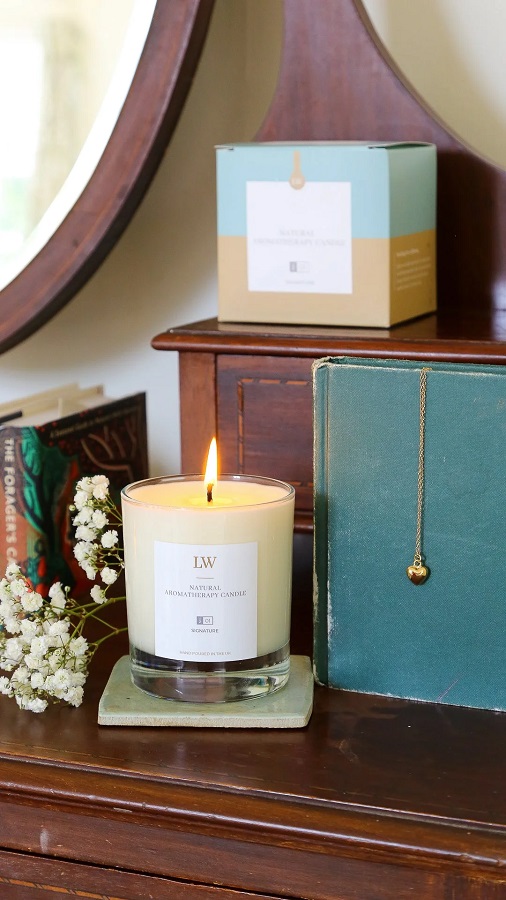
23. Lovewell Botanical Glow Massage Candle, £30. A soy-wax candle that melts into a body oil, made without the beeswax most candles use.

Lovewell Botanical Glow Massage Candle

24. Firetree Chocolate & Wine Gift Box, £50. Vegan wine matters too, since many are fined with animal products. Browse the Food & Drink Gifts edit for more pairings.

Firetree Chocolate & Wine Gift Box

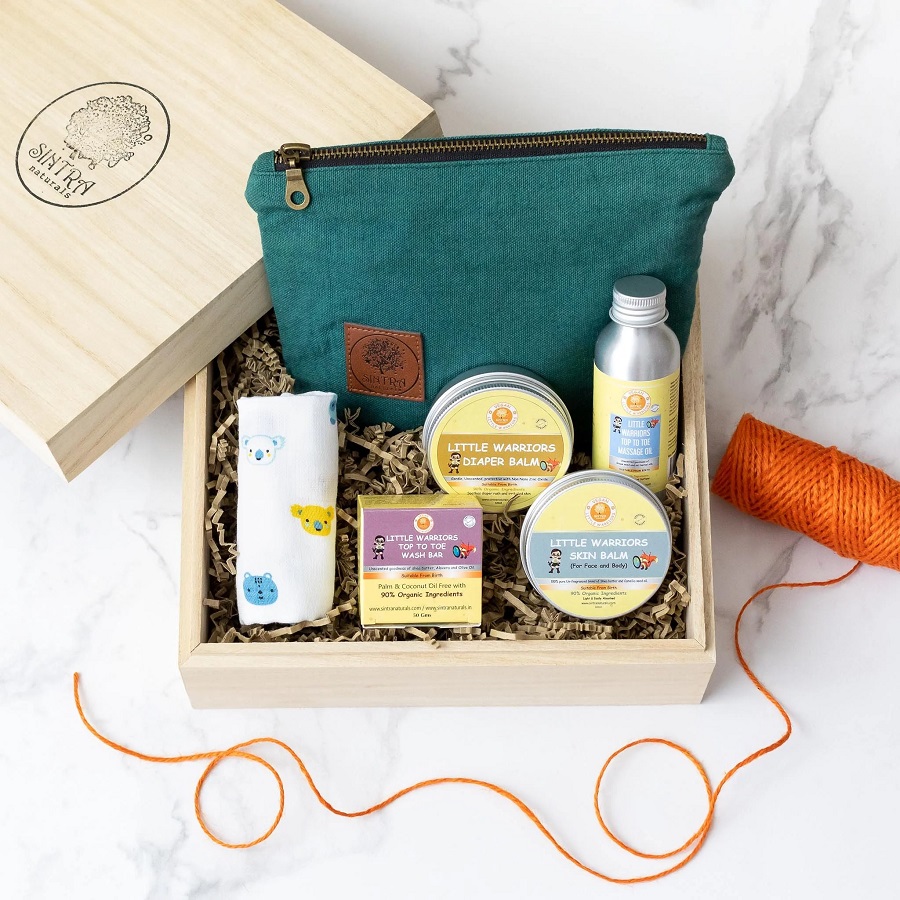
25. Sintra Naturals Little Warriors New Born Gift Set, £50. A gentle vegan bath set for new parents, a rare animal-free option in the baby aisle, where lanolin is everywhere.

Sintra Naturals Little Warriors New Born Gift Set

Frequently Asked Questions

What are the best vegan presents?

The ones in categories that usually are not vegan, so the choice actually counts: dairy-free chocolate, vegan cheese, skincare and balms made without beeswax or lanolin, and vegan-leather accessories. A gift that is vegan by default, like a candle-free crystal or a notebook, is fine but not really a vegan gift.

What is a good vegan birthday present?

For a birthday, the surprising ones land best: a plant-based cheeseboard, a single-origin chocolate set, or a proper skincare gift set. Around £15 to £40 gives you the most choice, and you can scale up to the cheeseboard or the skincare collection for a bigger occasion.

Are these presents all vegan and cruelty-free?

Yes. Every product is checked as free from animal-derived ingredients and by-products before it goes into the range, which matters most for exactly these categories, chocolate, cheese, skincare and leather, where animal ingredients are easy to miss on a label.

Cleaning spray bottles in an under-sink cupboard in daylight, how to clean your home without chemicals

Cleaning your home could be quietly harming your lungs, and not in the way the “chemical-free” aisle warns. A 20-year study found that women who cleaned with sprays regularly lost lung function faster than those who did not, an effect that in professional cleaners rivalled smoking. The problem was never “chemicals”. It was what gets sprayed into the air you breathe.

That single finding reframes the whole topic. The honest answer to how to clean your home without chemicals is that you cannot, because everything is a chemical, but you can clean with fewer irritants, far less spraying, and a much shorter shopping list. What follows takes apart the words on the bottle, sorts the real risks from the imaginary ones, and ends with the small kit that cleans a whole house. The Clean Home edit is filtered to the products that survive that sort, and there are fewer of them than the shelves suggest.

“Chemical-Free” is a Claim that cannot be True

There is no such thing as a chemical-free anything, because everything is made of chemicals, including water, air and you. The Royal Society of Chemistry made the point with money: in 2008 it offered a £1 million prize to anyone who could supply a “100% chemical-free” material. Nobody could, because nothing fits the description. The phrase is marketing, not science.

The words stacked next to it do similar work. “Natural” is not a safety rating: chlorine gas, arsenic and deadly nightshade are all natural. “Non-toxic” has no legal definition in cleaning, so it promises nothing about the ingredients or how they behave. The thing that determines whether a substance harms you is not whether it came from a plant or a plant in Teesside, it is the dose and the exposure. A gentle ingredient sprayed into a sealed room every day can irritate more than a stronger one used sparingly with a window open.

So the useful instinct is not to fear the word “chemical”, it is to read the back of the bottle and notice how you use the front of it. Which ingredients, how much fragrance, and whether it goes on as a fine mist or a wiped-on liquid matter more than any “free from” badge on the label.

You do not Need a Different Spray for every Surface

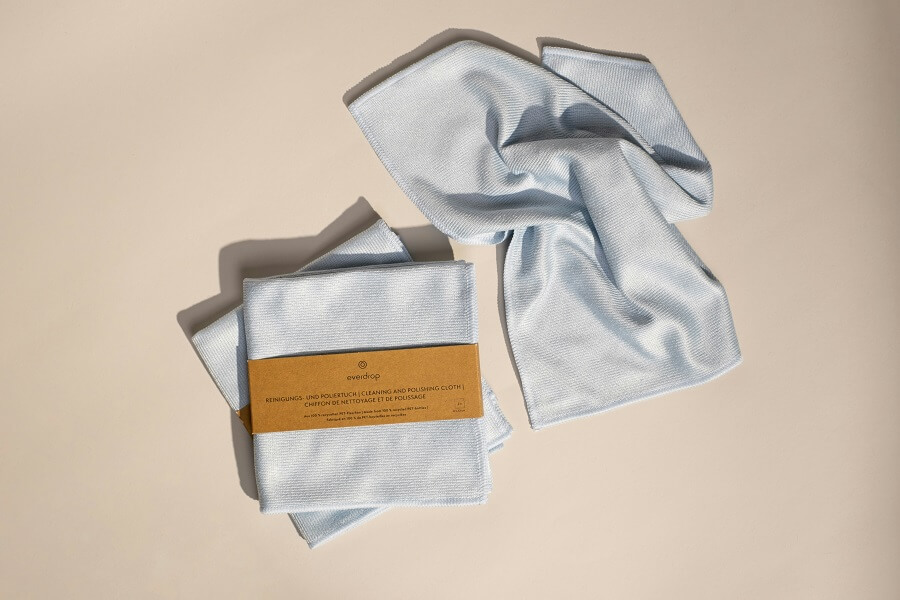
Folded microfibre cloths on a wooden surface in daylight, the free Clean Home basic

Most everyday cleaning needs no special product at all. A damp microfibre cloth and warm water lifts the large majority of everyday dirt, grease and dust, and removes much of the bacteria from a surface mechanically, by trapping and carrying it away rather than killing it in place. For a coffee table, a windowsill or a wiped-down worktop, that is the whole job.

The cupboard full of single-purpose sprays, one for glass, one for wood, one for “kitchen”, one for “bathroom”, is mostly a triumph of marketing over need. They tend to be the same handful of ingredients in different colours and scents, sold five times over. The Tools & Cloths edit is filtered to durable microfibre and brushes, which is where the actual cleaning power on most surfaces lives. Our piece on eco swaps for home goes through the rest of the cupboard cull.

“Kills 99.9% of germs” is the line that sells the sprays, and it is answering a question your living room is not asking. Disinfection matters in specific places at specific times. A side table on a Tuesday is not one of them.

What Deserves the Worry is the Air you Spray into

The genuine risk in home cleaning is respiratory, and it comes from spraying. In a 2018 study in the American Journal of Respiratory and Critical Care Medicine, researchers at the University of Bergen followed more than 6,000 people for over twenty years and found that women who cleaned at home with sprays had a measurably faster decline in lung function than those who did not. For women who cleaned for a living, the authors said the effect was only somewhat less than smoking twenty cigarettes a day for the same period.

The mechanism is mundane and avoidable. A trigger spray turns cleaner into a fine mist you then breathe, where a cloth or a wiped-on liquid does not. Add heavy fragrance, which is itself a common airway irritant, and a small bathroom with the door shut, and you have built the exposure the study measured. The cleaner being “natural” makes no difference to your lungs if you are aerosolising it.

The thing worth changing is not whether your cleaner counts as a chemical, it is whether you are spraying irritants into the air you breathe.

Two changes remove most of that risk for free. Wipe cleaner on from a cloth rather than misting it into the air, and open a window while you clean and for a while after. Fragrance-free formulas help too, which is one reason the back of the bottle beats the front.

Disinfect Where it Matters, not Everywhere

An open kitchen window in daylight, ventilation for a Clean Home

You do not need to disinfect your whole home, and trying to is the wrong target. Cleaning removes dirt and most microbes. Disinfection, killing what is left, only earns its place at a few moments: handling raw meat or poultry, caring for someone with a stomach bug or other infection, after using the toilet, and around bins and food waste. The rest of the house wants cleaning, not sterilising.

This is the idea hygiene scientists call targeted hygiene, and it is the opposite of the antibacterial-everything aisle. “To achieve change we have to blow the myth about being too clean,” says Professor Sally Bloomfield, Honorary Professor at the London School of Hygiene and Tropical Medicine and Chair of the International Scientific Forum on Home Hygiene, who has spent years arguing for cleaning the right things at the right times rather than blasting every surface with biocide. Where real hygiene matters, our Support Immunity edit overlaps with this, because not getting ill is mostly about hands and food surfaces, not living-room shelves.

Routine antibacterial sprays for general cleaning add cost and airway irritation without adding protection, and overusing biocides is its own problem. Clean broadly, disinfect narrowly.

The DIY Myths that Waste Money or Wreck your Worktops

The vinegar-and-bicarb internet is half right and half expensive mistake. White vinegar is a decent mild acid for limescale and grease, but it does not reliably disinfect, so it is not a substitute for a real disinfectant where one is needed. It is also acidic enough to etch and dull natural stone like marble, granite and limestone, and to damage some grout and finishes, so the worktop you are proud of is the one surface to keep it off.

Bicarbonate of soda is a fine gentle abrasive, but the viral trick of combining it with vinegar mostly cancels both out. An acid and a base react into water, a little salt and a satisfying fizz, and the fizz is the cleaning power leaving the building. Essential oils smell pleasant and are not disinfectants, whatever the “antibacterial” blend on the shelf implies.

One DIY rule is not a preference but a safety line: never mix bleach with vinegar, with ammonia, or with another cleaner. Bleach plus an acid releases chlorine gas, bleach plus ammonia releases chloramine, and both can send people to hospital. If you use bleach for the jobs that warrant it, use it on its own, with ventilation, and never as part of a homemade recipe.

So what is Worth Buying, and How to Choose it

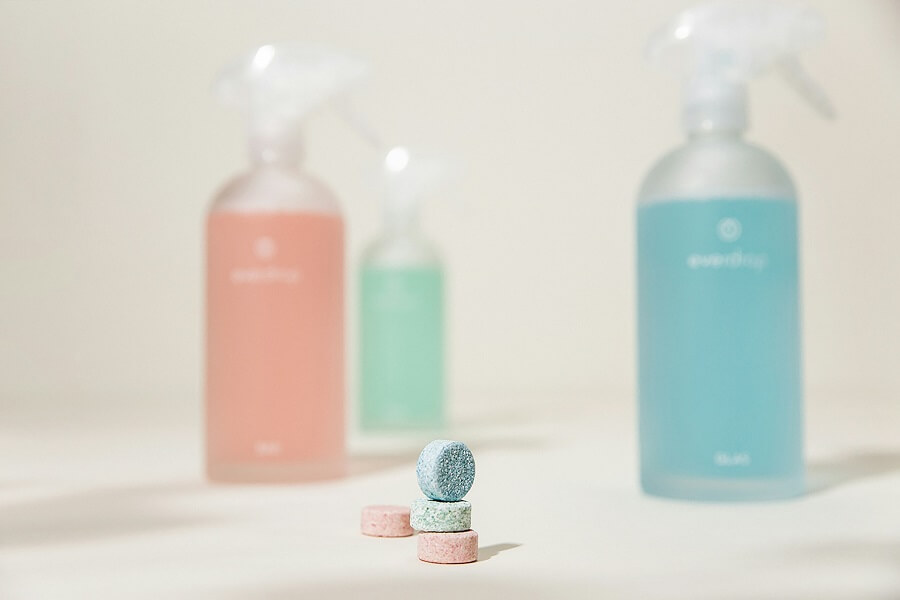
A refillable concentrate cleaning bottle in daylight, the short Clean Home kit

Microfibre, water and an open window do most of the work, and they cost almost nothing. That is the honest starting point, and a product is never the first move. The gap is that a few jobs need real chemistry, and buying the right few, in the right format, is what keeps the cupboard short and the air clear.

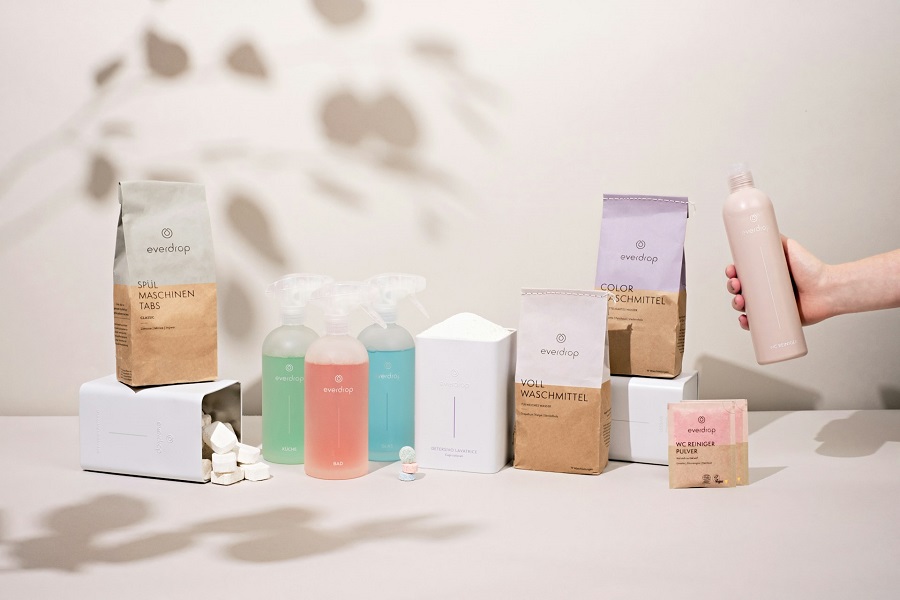
The short kit is genuinely short. A general-purpose cleaner for most surfaces, a degreaser for the kitchen, a mild acid for limescale in the bathroom and kettle, and one proper disinfectant kept for the few jobs that need it. Buy those as concentrated refills rather than a shelf of ready-mixed sprays: you cut the packaging, you cut the per-use cost, and you stop paying to ship water around the country. The Multi-Purpose and Laundry Care edits are filtered to effective concentrated formulas, and the Refillable and Plastic Free ranges are where the refill side lives.

Two criteria do the choosing. Favour fragrance-free or low-fragrance versions, especially for anything you spray, because fragrance is the most common avoidable airway irritant in the cupboard. And read the back, not the front: ignore “chemical-free”, “non-toxic” and “antibacterial” on the label, and look instead at the ingredient list and whether the format is a mist or a wipe-on.

Room by room, what each actually needs. The kitchen wants a degreaser and good hygiene at the food-prep moments, not a different spray per cupboard. The bathroom wants a mild acid for limescale and a disinfectant kept for the toilet, with the fan on or the window open. Floors, glass and general surfaces want microfibre and warm water far more often than they want a product at all.

Buy the cloths and the refill before you buy the eleventh spray. If you would rather follow a fuller swap-by-swap version, our plastic-free living guide walks through the cupboard one product at a time.

Back to the Cupboard Under the Sink

Open that cupboard again and the problem was never the chemistry, it was the quantity. A row of single-purpose sprays, most of them the same thing in different scents, sold on a fear of a word that describes water as much as bleach. The home that is genuinely cleaner and easier on you is the one with fewer bottles, less spraying, a window open while you work, and disinfection saved for the handful of jobs that earn it.

None of that is chemical-free, because nothing is. It is just less, used better, and read more carefully.

The Refillable and Clean Home edits are filtered to the concentrated, fragrance-free formulas and durable tools that clear this bar, and our guide to a plastic-free cleaning cupboard sets out the short kit in full.

Frequently Asked Questions

Can you really clean your home without chemicals?

No, because everything is a chemical, including water and the dirt you are removing. What you can do is clean with fewer and gentler ingredients, far less fragrance, and much less spraying. Most everyday surfaces need only a microfibre cloth and warm water.

Does white vinegar disinfect?

Not reliably. Vinegar is a useful mild acid for limescale and grease, but it is not a registered disinfectant, so it should not replace one where real hygiene matters. It is also acidic enough to damage natural stone like marble and granite, so keep it off those worktops.

Are “non-toxic” or “natural” cleaning products safer?

The words themselves are unregulated and promise nothing. Plenty of natural substances are hazardous, and the dose and exposure matter more than the source. What actually makes a cleaner gentler is the ingredients, the fragrance level, and whether you spray it into the air or wipe it on.

Do you need antibacterial cleaners at home?

Mostly no. Cleaning removes most microbes, and disinfection only earns its place at a few moments, around raw meat, illness, the toilet and bins. Routine antibacterial sprays for general cleaning add cost and airway irritation without adding protection.

What is the minimum kit to clean a whole house?

Microfibre cloths, a general-purpose cleaner, a kitchen degreaser, a mild acid for limescale, and one proper disinfectant kept for the few jobs that need it. Buy the cleaners as concentrated refills, choose fragrance-free where you can, and open a window while you work.

The Case for Buying Organic

Each September in the UK, the Soil Association runs Organic September, a month-long campaign to raise awareness of what organic farming is, what it does for soil, wildlife and animals, and why it matters for what ends up on your plate and in your bathroom. You don’t have to wait for September to think about it. The case for organic holds all year round, and the easiest way to act on it is to pick the categories where you use the most and switch them over first.

The organic movement isn’t new. Interest in personal and environmental health built through the 1970s, and production expanded through the 1980s and 1990s, the same decades that saw official standards defining organic produce come in and grant aid for organic farming introduced across the European Union. The real public breakthrough came in the early 2000s, as consumers started joining the dots between diet, health and environment. Organic now covers fruit and veg, meat and dairy, fermented food and drink, beauty and toiletries, household textiles and clothing.

Here’s what organic actually means, why it’s worth the effort, and where to start.

What organic actually means

Organic is a system of farming and food production held to a strict set of standards. Growers and producers work without synthetic pesticides, manufactured herbicides or artificial fertilisers, follow higher animal welfare requirements, and aim to keep local ecosystems and soil healthy in the process. The Soil Association’s definition puts it simply: higher levels of animal welfare, lower levels of pesticides, no manufactured herbicides or artificial fertilisers.

What’s often missed is that organic isn’t only a food label. The same principles run through clothing (organic cotton, organic linen), beauty (plant oils and botanicals grown without synthetic pesticides), household textiles (organic cotton bedding and towels) and a growing list of other categories. If you’re trying to reduce the chemical load on the land, on farm workers and on the animals in between, organic certification is one of the clearest signals you can follow.

Why organic is worth the switch

Better for pollinators and wildlife

The UK Government’s National Pollinator Strategy set out the pressures on bees, hoverflies, butterflies, and other pollinators, with intensive agriculture named as one of the main drivers of decline. The UK Biodiversity Indicator for Pollinating Insects (JNCC, 2024) — the official government-commissioned measure covering 393 wild pollinator species — found an overall decrease in pollinator distribution of 23% compared to 1980, confirming that the pressure on pollinators has not eased despite conservation efforts.

The Soil Association reports that organic farms support around 50% more wildlife than non-organic equivalents, a figure consistent with a peer-reviewed meta-analysis of 94 studies published in the Journal of Applied Ecology, which found organic farming increases species richness by an average of 30% and has done so consistently across 30 years of published research, with the benefit greatest in intensively farmed regions.

Lower emissions and better soil

The Rodale Institute’s Farming Systems Trial, which has compared organic and conventional plots side by side for over 40 years, finds that organic plots use around 45% less energy, produce around 40% lower carbon emissions and build soil organic matter over time rather than depleting it. A 2025 study from the UK Centre for Ecology and Hydrology (UKCEH) and Rothamsted Research, published in collaboration with NERC and BBSRC funding, confirmed that agroecological farming — of which organic is a core example — promotes biodiversity and can support sustainable yields through increased ecosystem services, substituting for chemical fertilisers and pesticides.

None of this means organic is a silver bullet. Yields can be lower in some crops, and scaling organic to feed the world involves trade-offs worth having open arguments about. What it does mean is that every time you pick an organic version of something you were going to buy anyway, you are supporting a system that is measurably kinder to insects, soil and the farmers working the land.

Organic farms support around 50% more wildlife than non-organic equivalents.

Start with what you use every day

The easiest place to build an organic habit is in the things you already use daily: food, drink, and what you put on your skin. You’re in contact with them multiple times a day, they get used up and replaced regularly, and the quality gap between organic and non-organic is often the most obvious.

Organic food and drink

Fermented foods are one of the best categories to start with because the difference between raw, unpasteurised organic ferments and mass-market supermarket versions is genuinely noticeable. Traditional sauerkrauts and kimchis, kvass and live ferments carry the friendly bacteria that often get pasteurised out of mainstream fermented products. A 2019 review in Nutrients found that regular consumption of fermented foods is associated with improved gut microbial diversity and markers of digestive health. Browse the Fermented Foods edit for options.

For everyday staples, the Pantry covers grains, oils, pulses and baking goods produced without synthetic pesticides or artificial fertilisers. Organic versions of the highest-turnover items in your kitchen (oats, flour, olive oil, rice) compound quickly, because these are the products you buy most often.

Organic beauty and body care

The ingredients on the outside of a bottle eventually end up on the inside of your skin, which is why organic beauty matters. The Soil Association’s COSMOS organic standard certifies beauty products that meet organic farming requirements for their plant ingredients and exclude a long list of synthetic chemicals. Look for that mark specifically, since ‘natural’ and ‘organic’ are used loosely in beauty marketing but only certified organic carries the actual audit behind it. Browse the skincare edit to filter by certification.

Oral care is one of the worst-offending corners of the bathroom for single-use plastic, and one of the best places to make an organic and zero-waste switch at the same time. Toothpaste in glass jars, toothpaste tablets, floss in reusable packaging and compostable toothbrushes now come in organic formulations that work as well as the mass-market versions. Browse the Oral Care edit.

Making organic an everyday choice

Organic September is a good annual prompt, but the real point of it is the habit it tries to build. If you take one month to audit your kitchen cupboards and bathroom shelf, and swap two or three staples for organic versions the next time they run out, you’re most of the way there. You don’t need to replace everything at once.

For more on the broader picture, read our guide to eco swaps for food and drink and our breakdown of eco swaps for beauty.

Every brand in the Food and Drink and Beauty and Self-Care categories on Ziracle has passed the same standard: honest ingredients, transparent supply chains, and certifications that actually mean something. For products that meet the organic standard specifically, filter by Organic across both departments.

Ready to shop? Take Organic September as the nudge to start building organic into your everyday shop.

FAQs

What does the organic label actually guarantee?

In the UK, ‘organic’ is a legally protected term under UK organic farming regulations enforced by Defra. For food, it guarantees production without synthetic pesticides, manufactured herbicides, or artificial fertilisers, alongside higher animal welfare standards and audit trail requirements, certified by bodies such as the Soil Association or OF&G. For beauty, the COSMOS organic standard covers plant ingredients grown to organic farming requirements, plus the exclusion of a specific list of synthetic chemicals. Anything not certified can legally be called ‘natural’ or ‘botanical’ but can’t be called ‘organic.’ If you’re paying for the premium, check for the actual certification mark.

Is organic food actually better for you than conventional food?

The evidence on direct nutritional benefit is mixed. Some studies have found slightly higher levels of certain antioxidants and omega-3s in organic produce, but the effect sizes are modest. The clearer benefits are indirect: lower pesticide residue exposure, higher animal welfare standards, and support for farming systems that are better for soil, pollinators and farm workers. The case for organic is stronger on environmental and ethical grounds than on direct nutritional ones, though both arguments sit in the mix.

Why is organic food more expensive?

Because the production costs are higher. Organic farming is more labour-intensive, yields are often lower in some crops, and certification involves ongoing audit fees. The price reflects what food costs to produce without shortcuts. Fast food and conventional produce prices are only possible because external costs (pesticide pollution, soil degradation, low farmer incomes) are absorbed somewhere else in the system. Organic prices are closer to the real cost. That doesn’t make it universally affordable, which is why targeting the staples you use most is usually the pragmatic starting point.

Which categories give the biggest benefit when I switch to organic?

The categories where you use the most, where pesticide residue is highest, and where you’re in closest contact. For food, fruit and vegetables with edible skins (apples, strawberries, grapes, leafy greens) typically carry the highest pesticide residues, so switching those first gives the clearest direct benefit. For beauty, anything leave-on (moisturisers, serums, body lotions) is in contact with your skin longest, so organic certifications matter more there than on rinse-off products.

What’s the difference between ‘natural’ and ‘organic’?

In food and beauty, ‘natural’ is a marketing term with no legal definition. It can mean anything from ‘contains some plant ingredients’ to ‘mostly synthetic but derived from natural sources.’ ‘Organic’ is a regulated term that requires independent certification against a specific standard. If the label says ‘natural’ but not ‘certified organic,’ it’s a marketing claim rather than an audited one. Look for the certification body’s logo (Soil Association, OF&G, COSMOS Organic) to know you’re getting the real thing.

Can Leather Be Sustainable

The fashion industry has a long way to go on sustainability. As shoppers push brands to clean up their environmental impact and show their working on ethics and transparency, fashion houses find themselves caught between people, planet and profit. That tension is nowhere more visible than in the debate around leather.

Search data from fashion search platform Lyst has tracked the shift clearly in its recent Conscious Fashion Reports, with interest in vegan and plant-based materials rising steadily year on year while interest in conventional leather has softened. Shoppers are voting with their keyboards. The material itself is still catching up.

So why are many brands still dragging their feet? Because leather is lucrative. According to Grand View Research, the global luxury leather goods market was valued at over $50 billion in 2023, with continued growth projected through the rest of the decade. That’s a serious revenue pool to walk away from on principle, and it helps explain why the industry has been slow to change.

Is traditional leather sustainable?

Supporters of the leather industry often argue that leather is sustainable because it’s a natural, biodegradable material that uses waste from meat production. On the surface, the case sounds neat. Meat is produced anyway, hides would otherwise be discarded, and turning them into a durable material is better than landfilling them.

The argument misses the point. Commercial cattle farming is itself a major contributor to the environmental impact of global consumption. Figures from the Food and Agriculture Organization of the United Nations’ most recent assessment, Pathways towards Lower Emissions (2023), put the livestock sector at approximately 12% of all human-caused greenhouse gas emissions — equivalent to 6.2 billion tonnes of CO₂ per year — with cattle responsible for around 62% of that total. Depending on the methodology used, including full supply chain accounting, the range cited across peer-reviewed studies runs from 12% to over 19%. The direction of the evidence is unambiguous: the scale is large and growing without intervention.

The tanning process that turns raw hides into leather also involves heavy use of chemicals, particularly chromium salts. A 2021 review in the Journal of Cleaner Production documented how chromium from tannery wastewater can leach into soil and water systems and cause long-term contamination in communities near production sites, which are disproportionately in lower-income countries. With that kind of footprint sitting behind every hide, the argument that leather is a clean waste product doesn’t hold.

Calling leather sustainable because it’s a meat byproduct ignores the entire industry that creates the hides in the first place. So what’s the alternative?

The problem with faux leather

Faux leather was initially pitched as the more ethical answer to animal leather, and it has genuine advantages. These materials use no animal byproducts, which makes them vegan and cruelty-free. For anyone trying to avoid contributing to animal agriculture, that’s a meaningful win.

The catch is what they’re actually made from. The most common faux leathers on the market are petroleum-based plastics: polyvinyl chloride (PVC) and polyurethane (PU). Both are fossil-fuel-derived, both release toxins during manufacture, and both shed microplastics as they wear. According to the European Environmental Bureau’s 2021 assessment, PVC in particular carries a heavy burden across its lifecycle, which is why it’s been progressively phased out by many major fashion brands. PU production has also improved, with water-based polyurethane dispersion reducing the solvent load and pushing performance closer to what traditional leather offers.

That’s progress, but it isn’t the answer. PVC and PU are both non-biodegradable and add directly to the growing pile of global plastic waste. Vegan-friendly faux leathers aren’t the eco-friendly alternative the industry actually needs.

Vegan and sustainable aren’t the same thing.

Enter plant-based leathers

Plant-based leathers are the most interesting development in this space. They use agricultural waste or low-impact crops to produce materials that look and behave like leather, without the animal hide and without the plastic backbone. From pineapple leaves to cactus pads to grape skins, here are three of the most promising alternatives changing what’s possible.

1. Piñatex

Credit: Ananas Anam, the makers of Piñatex®

Piñatex, developed by Ananas Anam, is produced using the cellulose fibres of pineapple leaves that are a byproduct of the pineapple fruit industry. Because the raw material is an existing waste stream, no additional land, water or fertiliser is needed to produce it. It contains none of the harmful toxins found in traditional animal leather or conventional faux leather. The material is used by brands ranging from small independents to larger fashion houses including H&M and Hugo Boss, and has been certified as a PETA-Approved Vegan material.

2. Cactus leather

Credit: Bohema Clothing

Cactus leather, most notably Desserto, is made in Mexico from nopal cactus. Cactus plants naturally absorb a high volume of CO2 as they grow, and they can help regenerate soil in degraded areas thanks to their resilience and low water demand. The production process uses only the mature leaves of the plant without damaging it, allowing the same plants to be harvested repeatedly. No additional land or environmental resources are needed to scale the material.

3. Wine leather

Credit: ACBC

Wine leather (the best-known being Italian innovator Vegea) is made using pomace: the skin, seeds and stalks of grape clusters left over from winemaking. According to the International Organisation of Vine and Wine’s 2024 State of the World Vine and Wine Sector report, global wine consumption stood at 214 million hectolitres in 2024 — generating substantial volumes of grape pomace (skins, seeds and stalks) as a byproduct, which gives wine leather a reliable and substantial supply of raw material at no additional agricultural cost. The production process has low environmental impact, low production costs, and no polluting substances. It comes from a renewable source and needs no additional resources to produce.

What these materials still need to prove

Plant-based materials are a clear improvement on both hide and conventional faux leather, but many are still works in progress. Most plant-based alternatives on the market today are blended with polyurethane or other petroleum-based resins to give them the feel, strength and flexibility that leather is prized for. That means the finished material isn’t fully plant-based and isn’t fully biodegradable at end of life.

The industry is working on it. Fully plant-based, compostable versions are appearing in limited runs, and recycling pathways are being developed. Mushroom-based leathers like MycoWorks‘ Reishi and Bolt Threads‘ Mylo have attracted significant investment and brand partnerships, with the potential to remove the PU backing entirely over time. Shoppers should know that buying a plant-based leather bag today isn’t the same as buying a compostable one. It’s a better option than hide or plastic, but it isn’t a closed-loop material yet.

Progress, not perfection

The honest answer to whether leather can be sustainable is: it’s complicated. No single material is the hero of the story. Animal leather carries a heavy climate and welfare cost. Plastic faux leather trades one problem for another. Plant-based alternatives are the most promising option by a distance, but they aren’t yet a finished solution.

What you can do is buy less leather overall, make what you own last, and choose better alternatives when you do buy new. For the broader picture, read our guides to eco swaps for fashion and why sustainable fashion costs more.

Every brand in the Apparel and Style category on Ziracle has passed the same standard: kind to the people making the clothes, transparent about materials and supply chain, built to last longer than a season. For anyone avoiding animal products specifically, filter by Vegan and Cruelty Free to find pieces made without hides. For footwear, the Footwear edit carries options using recycled, natural and plant-based materials.

Ready to shop? Browse the Vegan edit and pick pieces that work for your wardrobe.

FAQs

Is leather actually a waste product of the meat industry?

In accounting terms, hides are a secondary output of cattle raised primarily for meat and dairy. But treating leather as a pure waste product ignores the scale of the industry it depends on. The FAO’s 2023 Pathways towards Lower Emissions report estimates livestock agrifood systems account for approximately 12% of global greenhouse gas emissions — 6.2 billion tonnes of CO₂ equivalent per year — with cattle responsible for around 62% of that sector total. The tanning process adds a separate footprint through chromium use and wastewater impact. Leather is only a waste product if you’ve already decided the industry producing it is acceptable. The tanning process adds a separate footprint through chromium use and wastewater impact. Leather is only a waste product if you’ve already decided the industry producing it is acceptable.

Is vegan leather always better for the environment?

No. Most vegan leathers on the market are polyurethane or, less commonly now, PVC. Both are petroleum-derived plastics that shed microplastics and don’t biodegrade. They’re better than animal leather on welfare grounds and often on emissions per square metre, but they create a different environmental problem in their place. Plant-based alternatives (Piñatex, cactus leather, wine leather, mushroom leather) are the option that addresses both welfare and material footprint, though most still include some PU backing for durability.

How do I tell if a bag or pair of shoes uses real plant-based leather?

Look for named materials rather than generic “vegan leather” descriptions. Piñatex, Desserto, Vegea, Mylo and Reishi are specific trademarked materials with traceable supply chains, and brands using them tend to say so explicitly on the product page. “Vegan leather” without further detail is usually polyurethane. Certifications help too: PETA-Approved Vegan is a baseline signal, and Cradle to Cradle certification indicates the material has been assessed for end-of-life impact.

Is plant-based leather as durable as animal leather?

For most uses, yes. Piñatex, cactus leather and wine leather are designed to meet the performance standards of the products they’re used in, and major fashion houses including Hugo Boss and H&M have incorporated them into mainstream collections. Durability depends more on the construction of the finished product than the base material. A well-made plant-based bag will outlast a badly-made leather one. The area where plant-based materials still lag slightly is in heavy-duty applications like work boots or saddlery, where traditional leather retains specific properties that haven’t yet been fully replicated.

Should I throw out my existing leather items?

No. The most sustainable item you own is the one you already have, regardless of what it’s made of. The manufacturing impact is already sunk. Wear and repair what you’ve got until it wears out. When it does, replace with a plant-based or recycled alternative. Throwing away wearable items to replace them with greener versions is counterproductive on both environmental and financial grounds.

Most beauty sold as “eco” is a bottle with a leaf on the label. The brands actually doing the work redesigned the packaging out at the product stage, not bolted a recycling scheme onto the end. The difference shows in the bathroom cabinet over a year. One kind fills your bin with plastic you cannot recycle. The other is a set of reusable containers you top up.

The scale of the problem is not a small one. The British Beauty Council confirms that the global cosmetics and personal care industry produces over 120 billion units of packaging a year, most of it not meaningfully recyclable — with only 14% of beauty packaging making it to a recycling plant in the UK, and just 9% actually recycled. The rest goes to landfill or incineration. The UN Environment Programme’s Beat Plastic Pollution data confirms that across all plastic categories, only around 9% of all plastic ever produced globally has been recycled since 1950. Beauty is one of the single biggest contributors.

This guide is format-led rather than brand-led for a reason. Brands come and go, packaging claims drift over time, and what matters most when you shop is what the container is, not whose name is on it. Five formats, six questions, and a clearer sense of where your money is actually working.

01. Refillable compacts for colour cosmetics

The easiest wins sit in makeup. Mineral pigments compress cleanly into a pan, which means blushes, bronzers, eyeshadows and pressed powders can live inside a refillable compact you keep for years. Good systems use a bamboo or aluminium outer case and a drop-in pan that pops out when the colour runs down.

plastic free eye shadow palette
Brand: BAIMS Natural Makeup

What to look for: a brand that commits to backward compatibility, so a refill you buy in three years still fits the compact you bought today. Refills usually come in around 30 to 40% cheaper than a new full-size compact, which means the maths works before you factor in the packaging saved. The systems that fail are the ones where the brand redesigns the compact every eighteen months and leaves you with a drawer of obsolete shells.

Mineral pigments have the secondary benefit of working well on reactive skin. No emulsifiers to stabilise a liquid formula, no preservatives for a water-based one, fewer triggers across the board. If you are building a low-waste routine from scratch, start here. Browse our full Colour & Cosmetics edit for the refillable-first options.

02. Solid bars for skin and body

Solid cleansers, shampoo bars and body bars are the format most people try first, and the one most people abandon fastest if they pick a bad one. The problem is not bars. The problem is bad bars.

Brand: Beauty Kin

A cold-processed soap made with actual oils (olive, coconut, shea) cleans without stripping skin. A syndet bar -built on synthetic surfactants at skin-neutral pH -works for people who react to traditional soap. Either can be genuinely good. What to avoid is a commodity soap bar with a “natural” sticker, which typically is neither gentle nor particularly natural.

One well-made body bar replaces two to three standard bottles of liquid body wash. The water is gone, so the packaging is smaller, the shipping is lighter, and you are not paying to ship liquid around the country. A 2024 lifecycle assessment by CarbonBright found that shampoo concentrate in standard packaging produced around 1.01 kg of CO2 equivalent per use versus 1.25 kg for a full-size liquid bottle, with solid formats cutting the footprint further — a finding consistent with the Ellen MacArthur Foundation’s analysis that concentrated and solid formats are among the highest-impact switches available in personal care. The format works. The ingredient deck on the back tells you whether the specific bar works.

03. Shampoo and conditioner bars that actually wash

First-generation shampoo bars were scratchy. Second-generation ones are not. A sulphate-free, silicone-free bar delivers roughly 50 to 80 washes per bar if you store it properly, which roughly equates to two to three standard shampoo bottles.

refill vegan haircare
Brand: Indie Refill

The failure point is always storage. Leaving a bar in a puddle at the bottom of the shower is how you lose it in a fortnight. A draining dish, or better a tin that doubles as a travel case, is non-negotiable. Conditioner bars are the harder format to get right and where cheap bars quickly announce themselves on fine hair. Look for vegetable glycerin, cocoa butter or shea in the ingredient list rather than surfactants alone.

The Ellen MacArthur Foundation’s work on circular business models in beauty identifies personal care as one of the highest-impact categories for the switch from single-use to refill. Daily-use products compound fastest, which is exactly why shampoo is worth the effort.

04. Dental and deodorant, where daily use adds up

A toothbrush is replaced every three months. A lifetime of plastic brushes is a small pile of unrecyclable plastic no council stream touches. A bamboo handle with a replaceable bristle head cuts the waste to the bristle tuft. A stainless steel handle with a snap-in bamboo head does better again and lasts years.

Natural Vegan Deodorant
Brand: Kutis Skincare

For toothpaste, look for toothpowder in a glass or aluminium tin, or chewable tabs in cardboard or refillable glass. Fluoride versions of both exist for anyone following NHS guidance on cavity prevention, which recommends fluoride toothpaste for all ages. Fluoride-free options exist too, if that is your preference, though the dental case for fluoride is strong.

For deodorant, a solid stick in a cardboard push-tube or a refillable aluminium case works for most people. Look for plant waxes, mineral powders and bicarbonate-based formulations rather than aluminium salts. Application is slightly different from a spray or roll-on and takes about a week to adjust to. After that most people find they prefer it.

05. Tools that last

Reusable cotton rounds in organic cotton or bamboo terry replace the disposable pads most removers are formulated around. A set of twelve, washed weekly with a bag of laundry, lasts a year or more. A good bamboo-handled brush with synthetic bristles, kept clean, outlives three generations of disposable applicators.

bamboo safety razor
Brand: Clean U Skincare

A well-made tool you keep for years beats any number of disposables.

For face tools -jade rollers, gua sha, dermarollers -the sustainability case runs the other way: longevity is automatic if the material is solid (stone, metal, glass). The question there is whether the tool does what the brand claims. Most of the evidence for facial-massage tools is anecdotal. They are pleasant to use. They move lymph. They do not replace sunscreen, sleep, or retinol.

Where to start on Ziracle

Every brand in our Beauty and Self-Care edit has passed the same standard: honest ingredients, transparent production, and packaging that earns its place rather than just its marketing. Filter by Plastic Free for the zero-waste formats, or by Refillable for the refill-first systems. For the wider view on swaps across the category, see our eco swaps for beauty guide.

If reactive or sensitive skin is why you started looking at this, Healthy Skin is the goal page we most often point people to.

Zero waste beauty is not a discipline of self-denial. The formats exist, the performance holds up, and the maths works the moment you commit to the first compact, the first bar, the first handle. Everything after that is refills.

FAQs

What actually makes a beauty brand “zero waste”?

A brand that designed the packaging out at the product stage, not one that bolted a recycling scheme onto the end. That means refillable formats, solid formulations, compostable wrappers or reusable containers as the default, not as a premium upsell. A useful test: if the brand’s lowest-waste option is also its cheapest per use, the model is genuine. If the zero-waste line is the premium tier, the strategy is marketing.

Do shampoo bars really last longer than liquid shampoo?

A well-formulated bar gives roughly 50 to 80 washes, which is about two to three bottles of standard liquid shampoo. The variable is storage. Keep the bar on a draining dish or in a tin that doubles as a travel case, and let it dry between uses. A bar left in a puddle dissolves in a fortnight. If you travel a lot, the format also clears airport liquid rules without a second thought.

Are refillable makeup compacts actually compatible across years?

Only if the brand commits to backward compatibility. Ask before you buy the first compact whether refills bought in two or three years will still fit the current shell. The good systems guarantee this, because the whole point of the format is retention. A refill system that goes obsolete every eighteen months is the worst of both worlds.

Is solid dental care as effective as toothpaste from a tube?

Toothpowders and chewable tabs with fluoride deliver the same active ingredient as standard toothpaste and meet the same dental guidance. The format has matured past its early limitations. The British Dental Association’s fluoride recommendations apply whether your paste arrives in a tube or a tin. Fluoride-free versions exist for anyone who prefers them, but the cavity-prevention case for fluoride is strong and worth knowing.

Do zero waste beauty products cost more?

Sometimes at the first purchase, almost never across a year. Refills typically come in 30 to 40% below the full-format price, and a solid bar outlasts the bottled equivalent by a factor of two or three. The payback usually sits inside the first re-purchase cycle. The exception is the very cheapest mass-market products, which are hard to beat on headline price but always beat on total cost of ownership.

Best Sustainable Clothing Brands

Most sustainable fashion guides solve for length, not quality. This list is shorter. Every brand here has already passed the same standard.

Fifty brands. A hundred brands. All with the same certifications listed in the same order, none of them properly interrogated.

This list is shorter. That is the point. Every brand here has already passed the same standard, on what it is made from, how it is made, and whether the people making it are treated fairly. We checked. You can shop.

Why most sustainable fashion lists are not worth trusting

The problem with most sustainable brand roundups is not bad intent. It is that “sustainable” has become a label anyone can apply to anything. A brand using organic cotton in one product line while the rest of the range runs on virgin polyester from an unaudited factory can still call itself sustainable. The certifications help, but they vary enormously in what they actually require.

The scale of the problem is worth knowing. According to the UN Environment Programme’s 2025 Annual Report, the textile industry produces between 2 and 8 per cent of global greenhouse gas emissions and consumes the equivalent of 86 million Olympic-sized swimming pools of water every year. The UN Secretary-General warned in March 2025 that the fashion industry is responsible for up to 8 per cent of global greenhouse gas emissions — more than international aviation and maritime shipping combined and that the industry generates 92 million tonnes of textile waste annually, a figure UNEP projects will exceed 134 million tonnes by 2030.

The Ellen MacArthur Foundation’s landmark A New Textiles Economy report found global clothing production doubled between 2000 and 2015 while the duration of garment use fell by 36 per cent, and the Circularity Gap Report Textiles (November 2024) found that only 0.3% of the 3.25 billion tonnes of resources consumed by the global textile industry each year come from recycled sources. The Geneva Environment Network’s 2024 sustainable fashion update, drawing on World Bank data, confirms the industry remains responsible for around 20% of industrial wastewater pollution worldwide.

Behind those numbers are supply chains that routinely underpay garment workers and use chemical processes that contaminate local water sources. Knowing this, the reader who cares still faces the same problem: figuring out which brands are actually doing things differently, and which ones are doing the minimum to use the word. For more on the economics behind this, read our guide to why sustainable fashion costs more.

That work is what Ziracle exists to do. The brands below are not here because they have a good story. They are here because the story checks out.

What actually makes a clothing brand sustainable

Three things need to be true at once, and most brands only manage two.

Materials. Organic cotton, linen, hemp, TENCEL, recycled polyester and deadstock fabrics all have meaningfully lower environmental footprints than virgin conventional alternatives. GOTS certification (Global Organic Textile Standard) is the most rigorous materials standard available. It covers the fibre, the processing and the manufacturing stages.

Production. Where and how a garment is made matters as much as what it is made from. Fair Trade wages, safe conditions and supply chain transparency are the baseline. B Corp certification covers this most rigorously. B Lab launched V2.0 of the standards in April 2025, with V2.1 following in August, replacing the old points-based system with mandatory performance requirements across seven Impact Topics: Purpose & Stakeholder Governance, Climate Action, Human Rights, Fair Work, Environmental Stewardship & Circularity, Justice Equity Diversity & Inclusion, and Government Affairs & Collective Action. A brand can no longer score well on one and scrape by on another.

Longevity. A sustainably made garment that falls apart after ten washes is not a sustainable purchase. Construction quality, design that holds up beyond a single season, and circularity programmes – take-back, repair and recycling – are what separate properly considered brands from those doing the minimum.

The brands worth buying from

Every brand on Ziracle has already passed the bar on materials, production and ethics. The list below is shorter than most. That is how it should be.

01. Komodo

Komodo is the one that earns the “original” claim on merit. Founded in 1988, before ethical fashion had a name, by a founder who built relationships with small factories in Bali, Nepal and India and simply kept them. The collections use GOTS certified organic cotton, recycled wool, lambswool, TENCEL and hand-woven fabrics.

The supply chain page names the factories and explains the relationships. Broad range across women’s clothing and men’s, with the kind of design confidence that comes from more than 35 years of doing this properly. The benchmark against which most other ethical fashion brands should be measured.

02. Sutsu

Sutsu has solved one of the biggest problems in sustainable fashion: overproduction. They hold no stock at all. Every garment is made when you order it, which eliminates waste at the manufacturing stage entirely. B Corp certified, Fair Wear Foundation suppliers, organic cotton and recycled fibres, PETA approved Vegan, OEKO-TEX Standard 100.

Six trees planted per order, and every product page shows what it costs to make. The adventure-led, unisex aesthetic wears its ethics so lightly you barely notice them, which is exactly right.

03. Swole Panda

Swole Panda makes some of the softest bamboo basics available in the UK. Breathable bamboo socks and boxers, vegan leather accessories, considered design with sustainability built into every material choice. For anyone looking to upgrade the unglamorous end of their wardrobe, this is where to start.

04. Mirla Beane

Mirla Beane was founded specifically to challenge the idea that ethical fashion means basic fashion. Co-founders Lauren and Melanie spent decades in the industry before launching a brand that proves design-led and sustainable are not mutually exclusive. Bold prints, natural and organic fabrics, local manufacturing. For anyone who has found the rest of the ethical fashion market a bit beige, this is the brand to know.

05. Law Design Studio

LAW Design Studio makes some of the most considered slow fashion in the UK. Linen and organic cotton, made-to-order in Glasgow, with bespoke hems and full supply chain transparency. For anyone who has been meaning to buy fewer, better clothes that actually last, this is where to start.

06. SPA

SPA makes some of the most considered streetwear staples in the UK. Heavyweight organic cotton tees and hoodies, made in England from GOTS-certified cotton with vegan dyes, on renewable energy with a zero-waste cutting model. For anyone after wardrobe basics that are built to outlast the trend cycle, this is where to start.

07. Ration.L

Ration.L makes vegan, gender-neutral trainers and accessories from recycled and cruelty-free materials, produced using renewable energy in ethical factories. Female-founded and designed in Britain, with 5% of profits going to the Brain and Spine Foundation. From £70 a pair, one of the more accessible entry points in properly sustainable footwear.

08. Shinjuku Lanes

Shinjuku Lanes makes some of the most distinctive sustainable accessories in the UK. Bamboo sarongs, scarves spun from recycled bottles, and origami tote bags, designed between London and Tokyo with biodegradable packaging and carbon-offset delivery. For anyone who wants a finishing piece that earns its place, this is where to start.

09. Leiho

Leiho makes feel-good bamboo socks and organic cotton basics with a purpose built in. Every purchase provides essentials to someone experiencing homelessness in the UK, through partnerships with grassroots charities. For anyone who wants the small, everyday buys to actually count for something, this is where to start.

10. Heiko

Heiko Clothing makes some of the most wearable statement basics in the UK. Organic and recycled cotton tees, sweatshirts and totes, made with Fair Wear or Fairtrade certified suppliers and shipped in fully biodegradable packaging. For anyone who wants an everyday tee that says something and still holds up wash after wash, this is where to start.

What should you look for when shopping beyond this list?

If you are buying from a brand not on Ziracle, these are the signals worth checking.

B Corp certification is the most meaningful single credential, because it audits the whole business across the seven Impact Topics rather than the product alone. GOTS covers organic textile processing end to end. Fair Trade and Fair Wear Foundation certifications address worker welfare specifically. A brand that names its factories and publishes its materials sourcing is doing more than most.

Vague language is the tell. “Eco-conscious,” “sustainably inspired” and “made with care for the planet” mean nothing specific. When a brand is doing things properly, it can say exactly what and exactly where.

How to build a wardrobe that holds up

The most sustainable item of clothing is the one you already own. The second most sustainable is the one you will still be wearing in five years.

Cost per wear is a more useful frame than price per item. A £120 jacket worn 200 times costs 60p per wear. A £30 jacket worn ten times costs £3. The maths of fast fashion only works if you do not do the maths.

Buy fewer things, from brands that make them properly. Wear them until they are worn out. Then return, repair or recycle where programmes exist.

The industry has spent years making this feel complicated. It is not. Buy less, from people who have already done the homework. Browse Apparel and Style and filter by Fair Trade, Organic or B Corp to see every brand that has passed the standard.

FAQ

How do I know if a sustainable fashion brand is actually sustainable?

Look for three things at once: credible materials certifications like GOTS for textiles, business-wide certifications like B Corp for governance and workers, and specific supply chain transparency. A brand that names its factories, publishes its materials sources and holds at least one third-party certification is doing more than most. Vague language and glossy imagery are the tell.

What is the difference between GOTS and Fair Trade certification?

GOTS is a materials certification: it covers organic fibre processing and manufacturing from fibre to finished garment. Fair Trade focuses on worker welfare, guaranteed minimum pricing and community investment. They answer different questions. A GOTS garment is made from properly processed organic material. A Fair Trade garment is made by people paid fairly. The strongest brands hold both.

Is buying secondhand more sustainable than buying new from a sustainable brand?

Usually, yes. The most sustainable item of clothing is the one already in circulation, because the environmental cost of production has already been paid. The more interesting question is what to do when secondhand does not work for the piece you actually need. Buying one well-made garment from a transparent brand, then wearing it for a decade, sits comfortably alongside buying secondhand as the honest answer.

Is a £120 jacket really better than three £30 ones?

On cost per wear, almost always. A £120 jacket worn 200 times costs 60p per wear. A £30 jacket worn ten times costs £3. The maths of fast fashion only works if you do not do the maths. Construction and fabric quality are what let a garment reach 200 wears in the first place.

Which values filters should I prioritise when shopping on Ziracle?

For clothing, Fair Trade and Organic cover the two most load-bearing claims: fair labour and materials that do not depend on heavy pesticide use. B Corp sits on top of both, because it audits the whole business. If animal welfare matters most, filter Vegan. If the garment’s end-of-life matters most, look for brands with active take-back programmes in their product pages.