Body Lotions & Moisturisers
A good body lotion does more than just hydrate; it supports your skin's barrier function and keeps it feeling comfortable all day. Our selection focuses on formulas with transparent ingredients, avoiding common irritants like synthetic fragrances and parabens. You will find options from independent UK brands that prioritise skin health and environmental responsibility, often featuring nourishing plant-based oils and butters.
8 productsfrom £16
Narrow it down
8 products · sorted by most popular
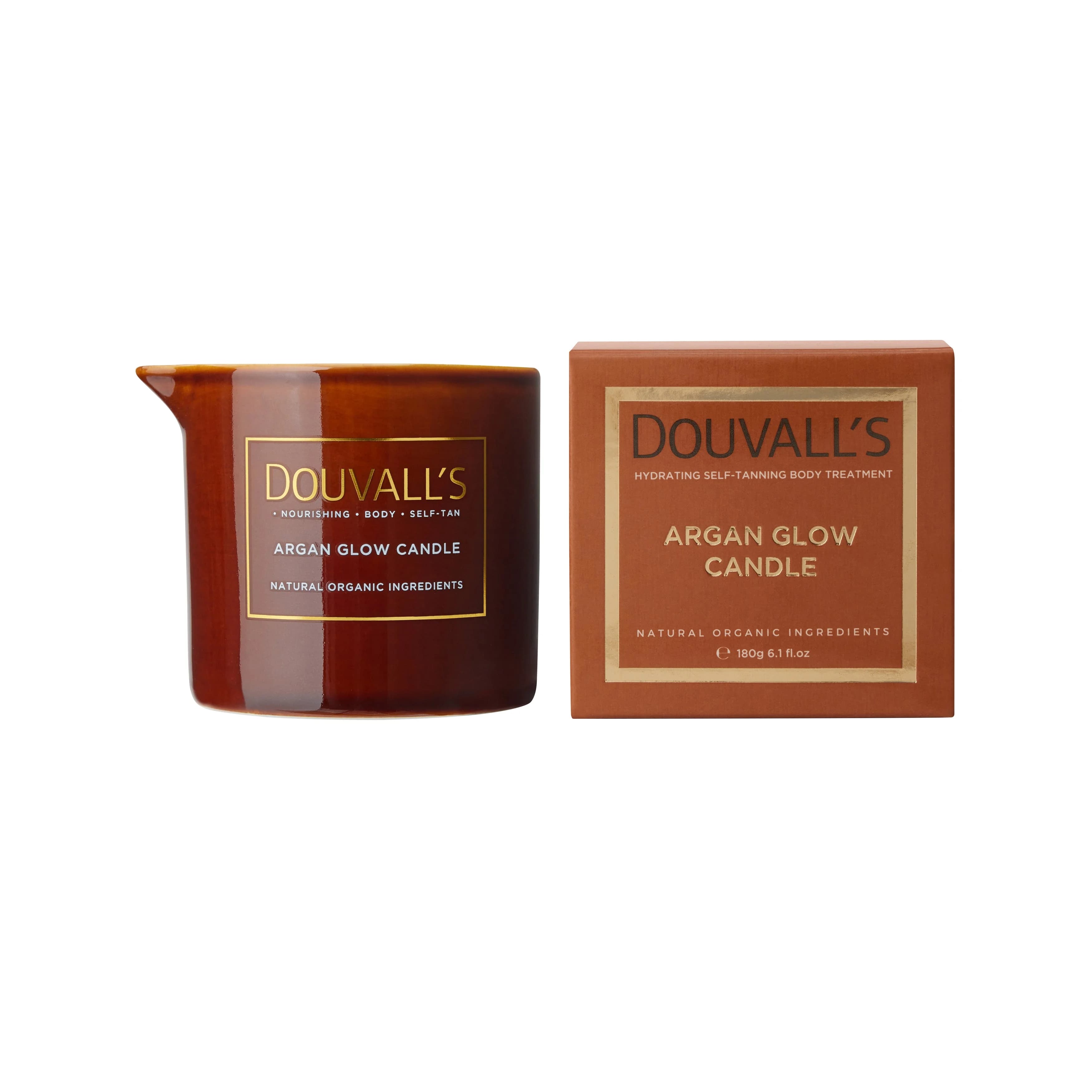
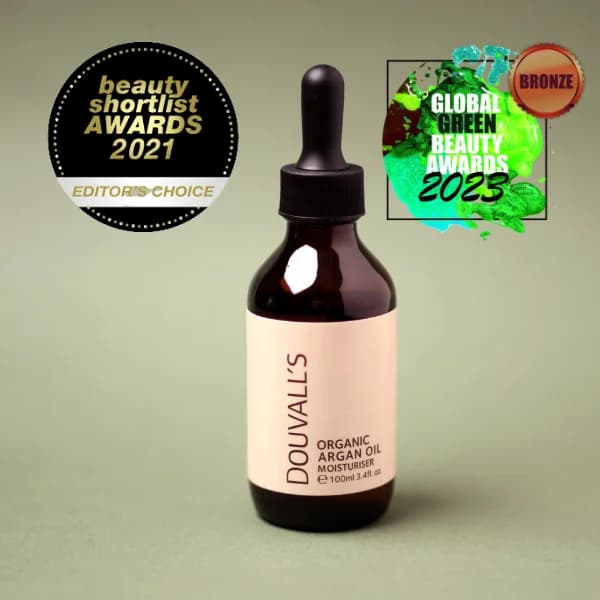
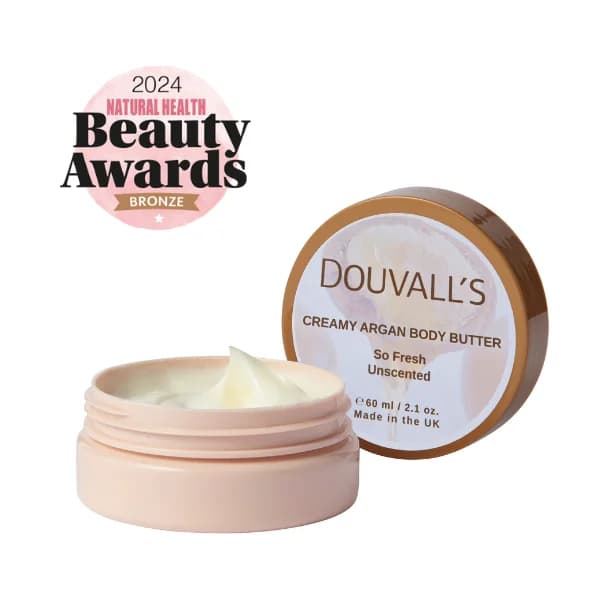
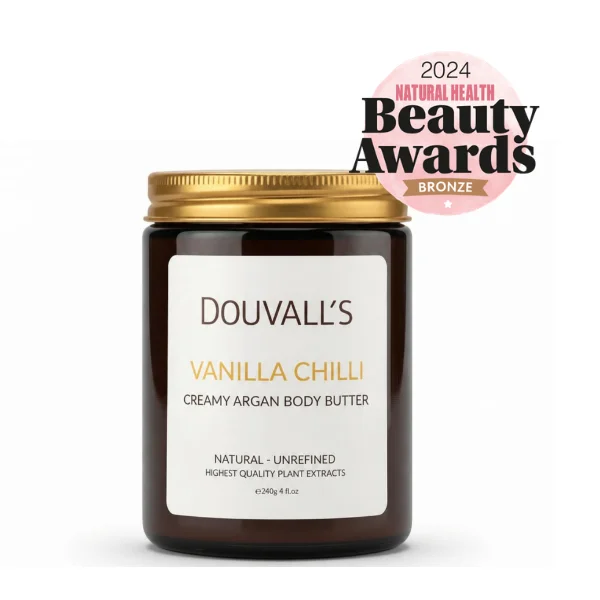
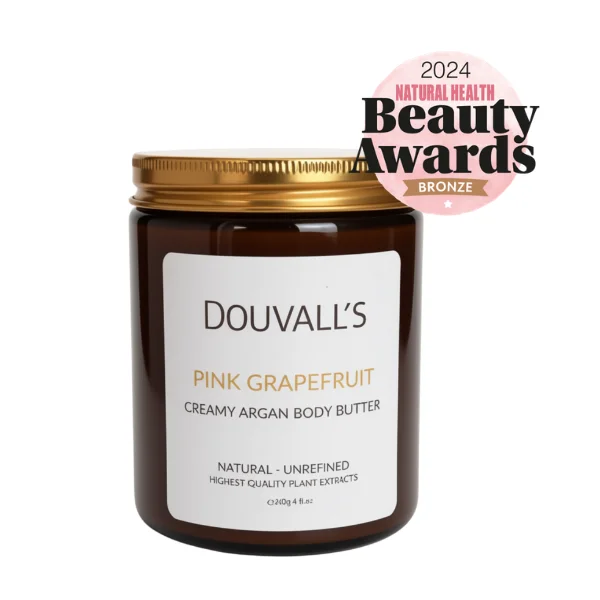
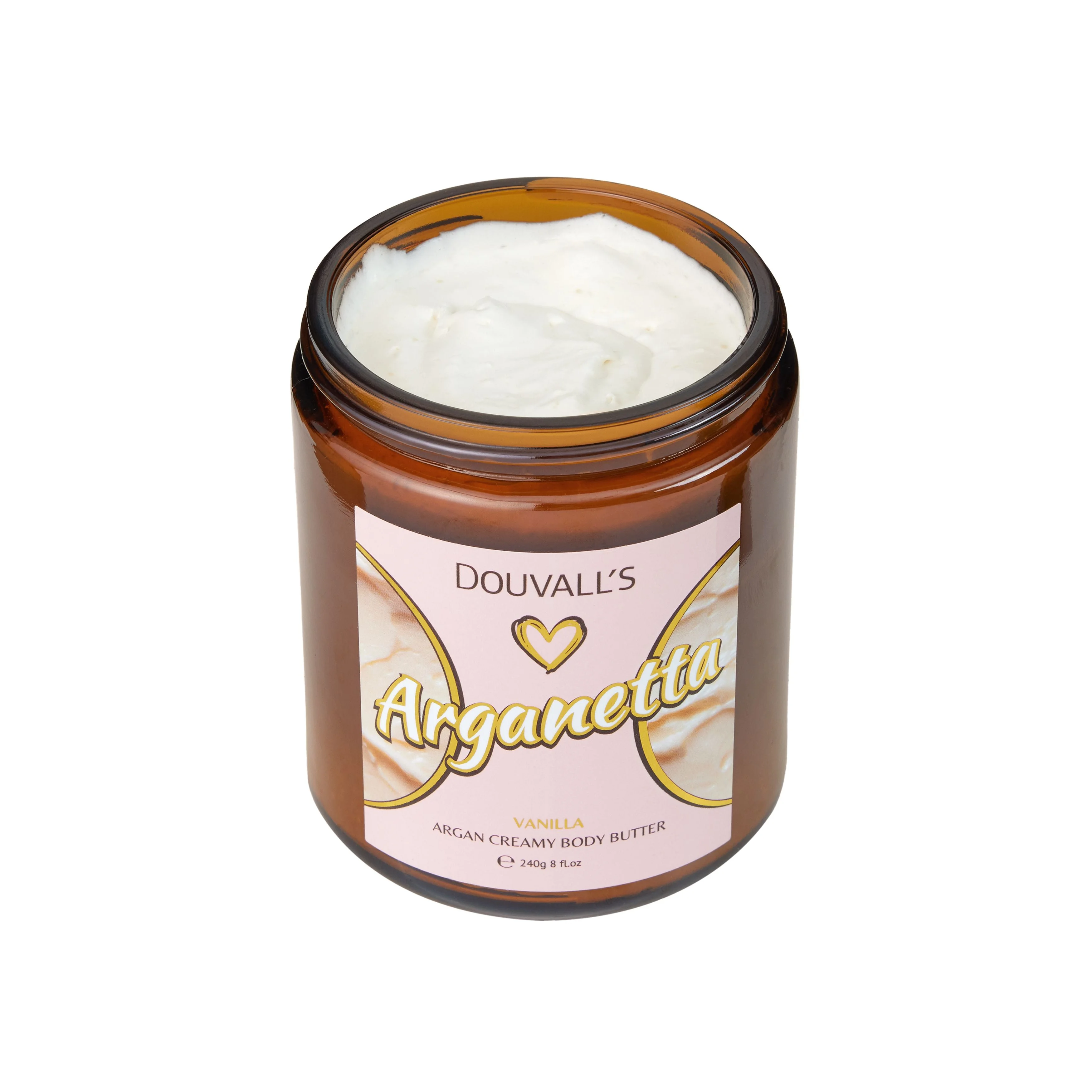
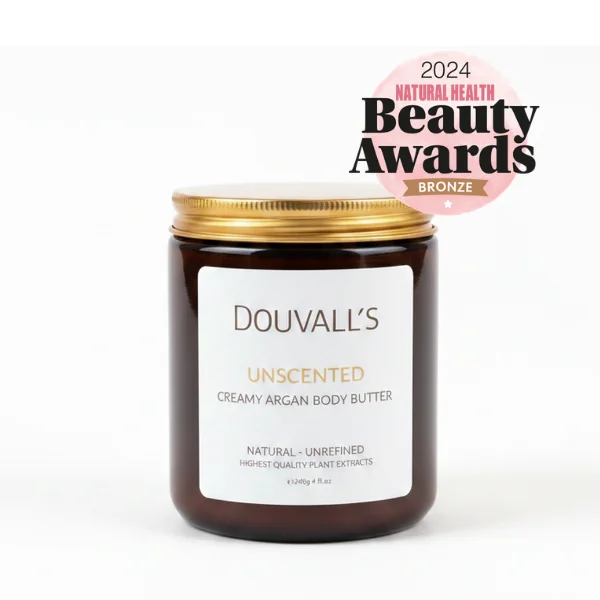

Choosing the Right Body Lotion for Your Skin
Selecting an effective body lotion depends on your skin type and specific concerns. For dry or sensitive skin, look for formulations rich in emollients like shea butter, cocoa butter, or ceramides, which help to lock in moisture and repair the skin barrier. Ingredients such as colloidal oatmeal or allantoin can soothe irritation and redness. If your skin is oily or prone to breakouts, opt for lighter, non-comedogenic lotions that absorb quickly without leaving a greasy residue. Hyaluronic acid and glycerin are excellent humectants that draw moisture into the skin without feeling heavy. Always check the ingredient list for potential allergens or irritants, especially if you have sensitive skin.
Understanding Key Ingredients in Body Lotions
The efficacy of a body lotion largely comes down to its active ingredients. Humectants, such as hyaluronic acid, glycerin, and urea, attract water from the air and deeper skin layers to the surface, providing immediate hydration. Emollients, like plant oils (jojoba, almond, sunflower), squalane, and fatty acids, smooth and soften the skin by filling in gaps between skin cells. Occlusives, including shea butter, petrolatum, and dimethicone, form a protective barrier on the skin's surface to prevent moisture loss. For added benefits, some lotions incorporate antioxidants like Vitamin E or C to protect against environmental damage, or alpha hydroxy acids (AHAs) for gentle exfoliation and improved skin texture. Understanding these ingredient categories helps you choose a body lotion that truly meets your skin's needs.
Common questions
What is the difference between body lotion and body cream?
Body lotion typically has a higher water content and a lighter consistency, making it suitable for normal to slightly dry skin types or for use in warmer climates. Body cream is thicker and richer, with a higher oil-to-water ratio, providing more intense hydration for very dry skin or colder weather. Both aim to moisturise, but creams offer a more occlusive barrier to prevent moisture loss.
How often should I apply body lotion?
For most people, applying body lotion once a day is sufficient to maintain skin hydration, ideally after showering or bathing when the skin is still slightly damp. This helps to seal in moisture. If you have particularly dry skin, or live in a dry climate, applying it twice a day, in the morning and before bed, can provide additional benefits and comfort.
Can body lotion be used on the face?
While some body lotions may be gentle enough for facial use, it is generally recommended to use products specifically formulated for the face. Facial skin is often more delicate and sensitive, and facial moisturisers are typically non-comedogenic, meaning they are less likely to clog pores. Body lotions can sometimes be too heavy or contain ingredients that might irritate facial skin.
What ingredients should I look for in a hydrating body lotion?
For effective hydration, look for body lotions containing humectants like glycerin and hyaluronic acid, which draw moisture into the skin. Emollients such as shea butter, cocoa butter, and plant-based oils (e.g., jojoba, almond) help to soften and smooth the skin. Occlusives like squalane or ceramides create a barrier to prevent moisture loss. These ingredients work together to keep skin supple and well-nourished.
Are Ziracle's body lotions free from harmful chemicals?
Yes, Ziracle prioritises body lotions that are formulated without commonly avoided ingredients such as parabens, phthalates, synthetic fragrances, and sulphates. We focus on products with transparent ingredient lists from brands committed to healthier formulations. Many options are also certified organic, vegan, or cruelty-free, reflecting a dedication to both personal and environmental wellbeing.
From the Journal