Sun Care
Finding effective sun cream that protects your skin without harming marine life is simpler than you think. The sun creams here are mineral-based, using zinc oxide or titanium dioxide to create a physical barrier against UV rays, rather than chemical filters that can bleach coral. We focus on formulas that are reef-safe, water-resistant, and gentle enough for sensitive skin, ensuring broad-spectrum protection for the whole family. Each product is chosen for its commitment to transparent ingredients and responsible sourcing.
7 productsfrom £15
7 products · sorted by most popular
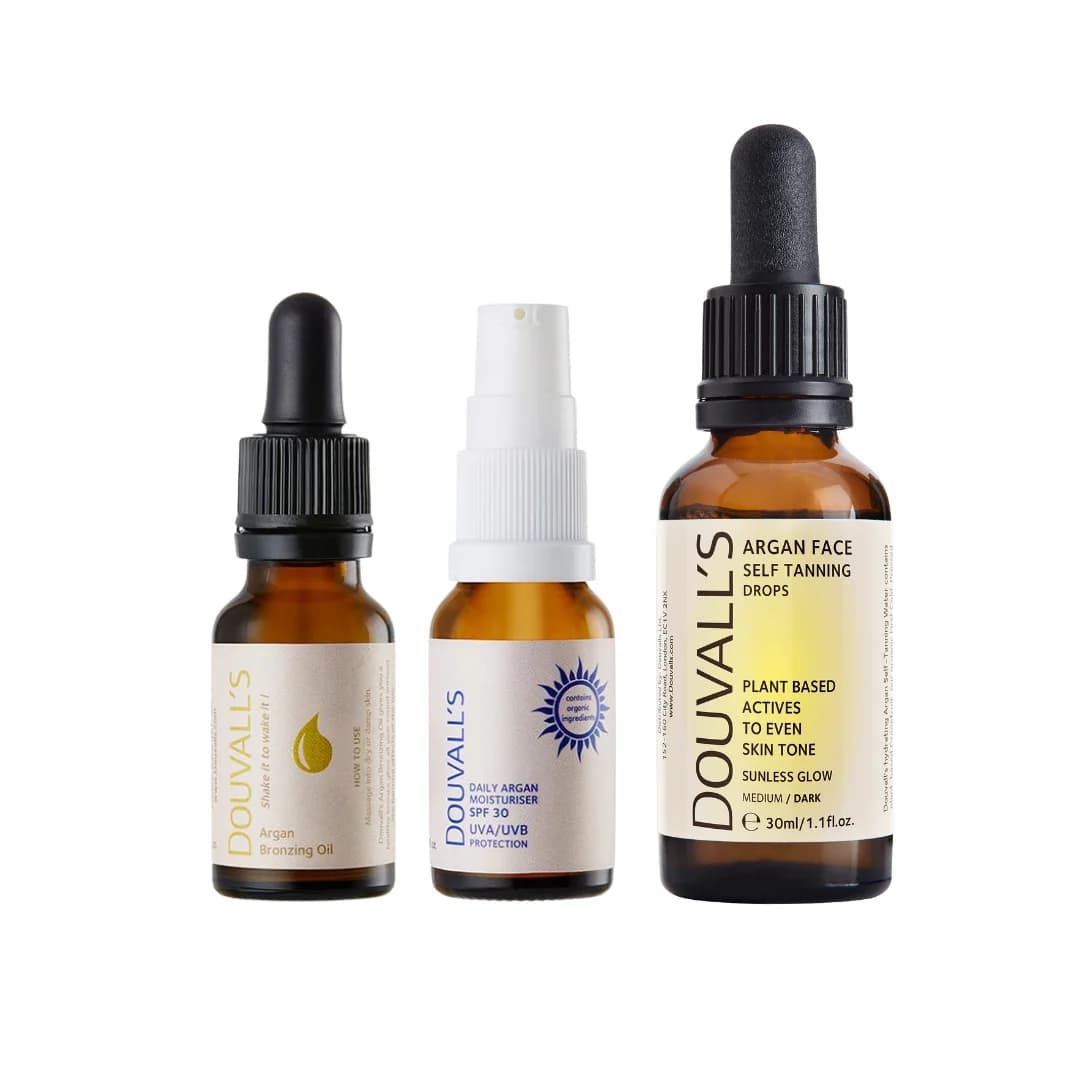
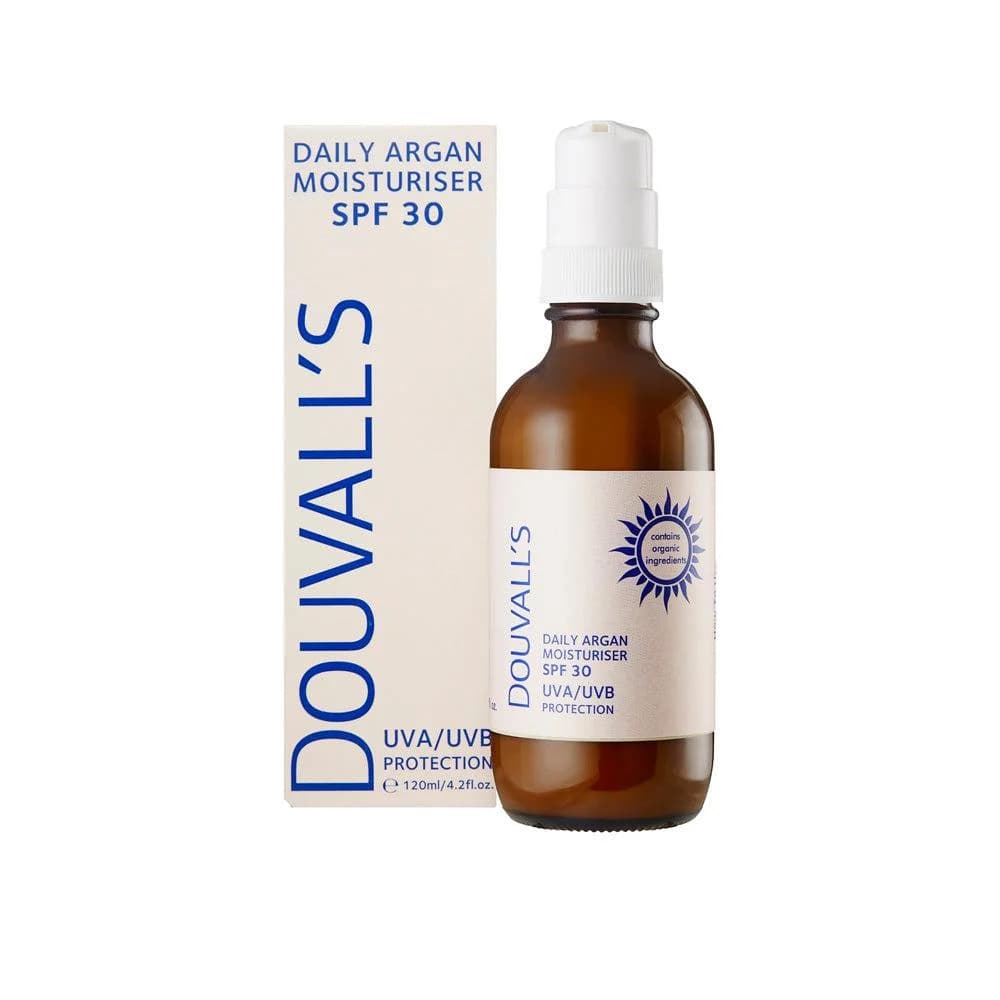
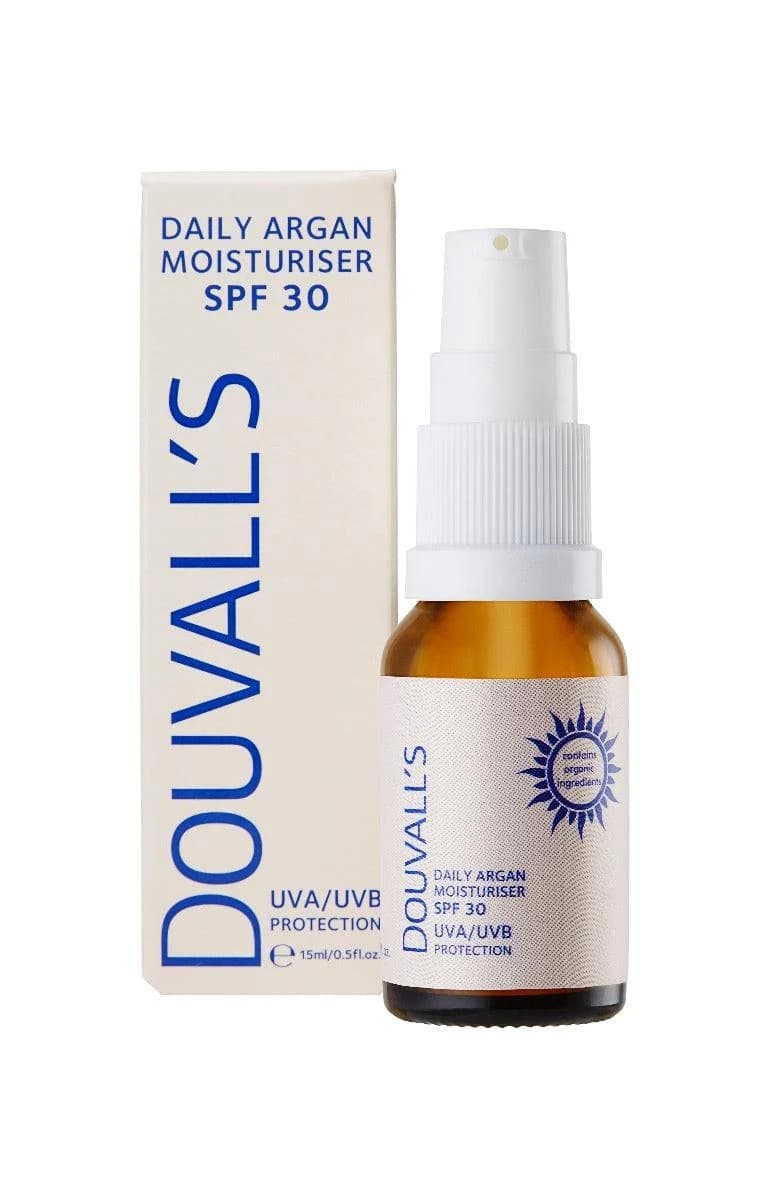

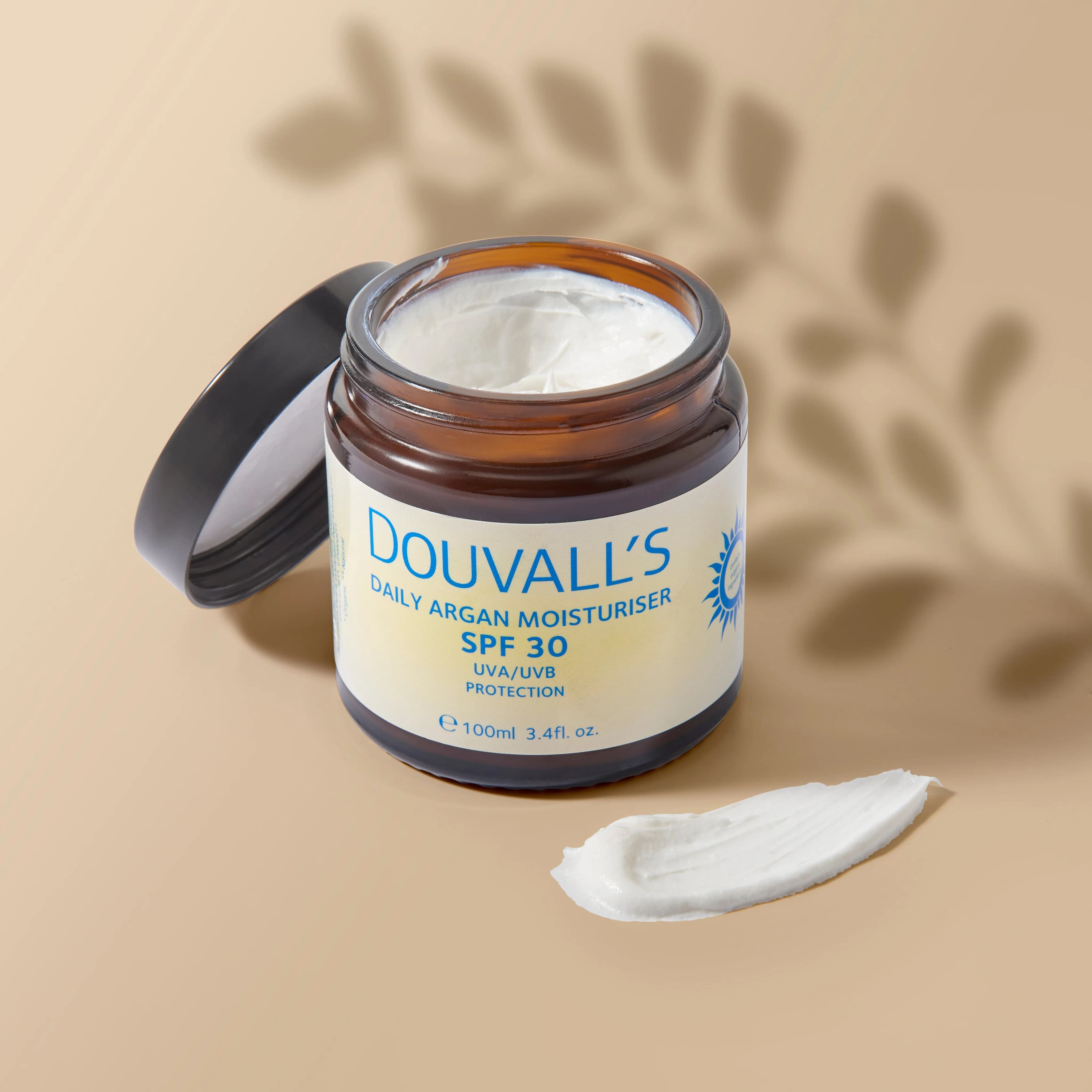
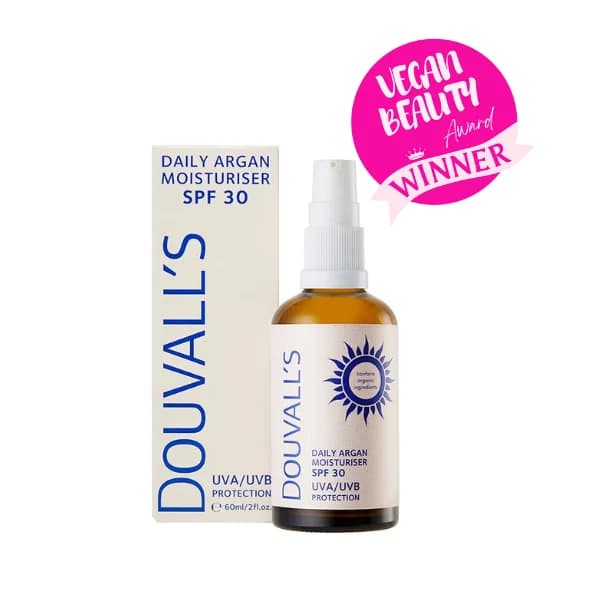
Choosing the Right Sun Cream for Your Needs
When selecting sun cream, consider your activity level and skin type. For active days or swimming, look for formulas labelled "water-resistant" to ensure lasting protection. If you have sensitive skin, mineral sun creams with zinc oxide or titanium dioxide are often a better choice, as they sit on the skin's surface and are less likely to cause irritation than chemical sunscreens. Pay attention to the SPF rating, which indicates the level of protection against UVB rays, and ensure it offers broad-spectrum protection against both UVA and UVB. Many of the sun creams we feature also include nourishing ingredients like shea butter or vitamin E, which can help to keep skin hydrated and healthy while exposed to the sun.
Understanding Mineral vs. Chemical Sunscreens
The primary distinction in sun cream formulations lies between mineral and chemical active ingredients. Mineral sunscreens, also known as physical blockers, use naturally occurring minerals like zinc oxide and titanium dioxide. These work by creating a physical barrier on the skin that reflects and scatters UV radiation away from the body. They are generally considered reef-safe and are often recommended for sensitive skin due to their gentle nature. Chemical sunscreens, on the other hand, absorb UV radiation through a chemical reaction, converting it into heat which is then released from the skin. While effective, some chemical filters have raised environmental concerns regarding their impact on marine ecosystems, particularly coral reefs. Ziracle prioritises mineral-based sun creams to align with our commitment to both personal health and planetary well-being, ensuring effective protection without compromise.
Common questions
What is the difference between mineral and chemical sun cream?
Mineral sun cream uses zinc oxide and titanium dioxide to create a physical barrier on the skin that reflects UV rays. Chemical sun cream absorbs UV radiation through a chemical reaction. Mineral options are generally considered reef-safe and are often preferred for sensitive skin due to their gentle action.
How do I choose the right SPF for my sun cream?
SPF (Sun Protection Factor) indicates how well a sun cream protects against UVB rays, which cause sunburn. For daily use, an SPF of 30 is often sufficient. For extended outdoor activity or fair skin, an SPF of 50 offers greater protection. Always choose a product labelled "broad-spectrum" to ensure protection against both UVA and UVB rays.
Is reef-safe sun cream really important?
Yes, choosing reef-safe sun cream is important for protecting marine ecosystems. Many traditional chemical sunscreens contain ingredients like oxybenzone and octinoxate, which have been shown to contribute to coral bleaching and damage other marine life. Reef-safe formulas avoid these harmful chemicals, using mineral blockers instead.
How often should I reapply sun cream?
Sun cream should be reapplied at least every two hours, or more frequently if you are swimming, sweating heavily, or towel drying. Even water-resistant formulas lose effectiveness over time and with activity. Consistent reapplication is key to maintaining effective sun protection throughout the day.
Can sun cream expire?
Yes, sun cream can expire. Most sun creams have an expiration date printed on the packaging, typically 2-3 years from the manufacturing date. After this date, the active ingredients may degrade, making the product less effective at protecting your skin from UV radiation. Always check the date and replace expired products.
From the Journal