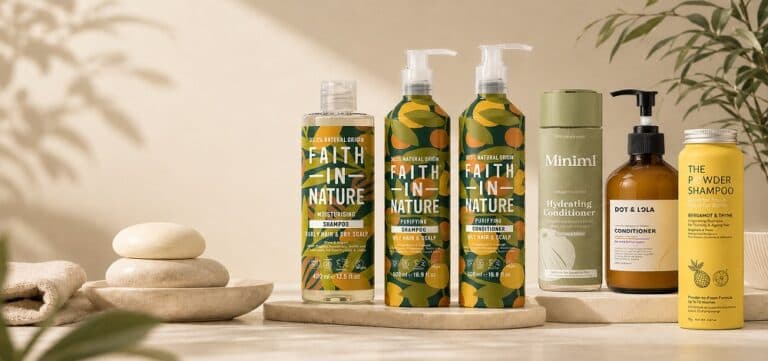
Shampoo
The right shampoo cleanses effectively without stripping your hair or irritating your scalp. Here, you will find formulas free from sulphates and parabens, with many options that are vegan, cruelty-free, and come in plastic-free or refillable packaging. We have already filtered for those that prioritise gentle, effective ingredients, so you can focus on finding the perfect match for your hair type and concerns.
5 productsfrom £8.50
Narrow it down
5 products · sorted by most popular


How to Choose the Right Shampoo for Your Hair
Finding the ideal shampoo means understanding your hair and scalp needs. If your hair tends to be oily, look for clarifying formulas that remove excess sebum without over-drying, which can trigger more oil production. For dry or damaged hair, hydration is key, so seek out shampoos with nourishing oils like argan or jojoba, and avoid harsh detergents. Those with fine hair might benefit from volumising shampoos that add body without weighing strands down, while thick or curly hair often thrives with moisturising, frizz-controlling options. Consider your scalp condition too: a flaky or itchy scalp needs gentle, soothing ingredients, often found in formulations designed for sensitive skin. Pay attention to ingredient lists; the fewer unpronounceable chemicals, the better.
Understanding Different Shampoo Formats
Shampoo is no longer just a liquid in a plastic bottle. Solid shampoo bars are a popular choice for their concentrated formulas and minimal packaging, often lasting longer than their liquid counterparts and being ideal for travel. When using a bar, lather it in your hands or directly onto wet hair, then massage the foam through. Refillable pouches or bottles are another excellent option, reducing single-use plastic waste by allowing you to top up your existing containers. These often come in larger sizes, offering better value over time. For those with specific concerns, targeted treatments like purple shampoos for blonde hair or anti-dandruff formulas are also available in various formats. The best format for you will depend on your lifestyle, hair type, and commitment to reducing environmental impact.
Common questions
What is the best shampoo for oily hair?
For oily hair, look for shampoos that contain clarifying ingredients like tea tree oil or salicylic acid, which help to regulate sebum production and remove build-up without stripping the scalp. Avoid heavy, moisturising formulas that can exacerbate oiliness. A good option will leave your scalp feeling clean and refreshed, not tight or dry, and help extend the time between washes.
Are shampoo bars as effective as liquid shampoo?
Yes, shampoo bars can be just as effective as liquid shampoos, often offering a more concentrated formula with less water. They are typically free from plastic packaging, making them an eco-friendly choice. The key is to find a bar that suits your hair type, as formulations vary widely, just like with liquid shampoos. Many users find them excellent for cleansing and conditioning.
What ingredients should I avoid in shampoo?
It is generally advisable to avoid shampoos containing harsh sulphates (like SLS and SLES), which can strip natural oils and cause irritation, especially for sensitive scalps or colour-treated hair. Parabens, often used as preservatives, are also commonly avoided due to potential endocrine disruption. Phthalates and synthetic fragrances can also be irritants for some individuals. Look for transparent ingredient lists.
How often should I wash my hair with shampoo?
The ideal frequency for washing your hair with shampoo depends on your hair type, lifestyle, and scalp condition. People with oily hair might need to wash every day or every other day, while those with dry, curly, or coily hair might only need to wash once or twice a week. Over-washing can strip natural oils, leading to dryness or increased oil production, so listen to your hair and scalp.
What does 'cruelty-free' mean for shampoo?
For shampoo, 'cruelty-free' means that neither the final product nor its ingredients have been tested on animals at any stage of development. This standard is important for many consumers who want to ensure their purchases align with ethical treatment of animals. Look for certifications from organisations like Leaping Bunny to verify cruelty-free claims, as these provide independent auditing.
From the Journal