Scent & Spirit
Finding a new favourite fragrance is a personal experience, and here you will find options that smell wonderful and align with your values. Our selection focuses on transparent ingredient lists, avoiding common irritants like phthalates and parabens, and prioritising formulations that are kind to your skin and the planet. These are scents designed to last, from brands committed to ethical sourcing and responsible production, so you can feel good about what you wear every day.
2 productsfrom £15
2 products · sorted by most popular
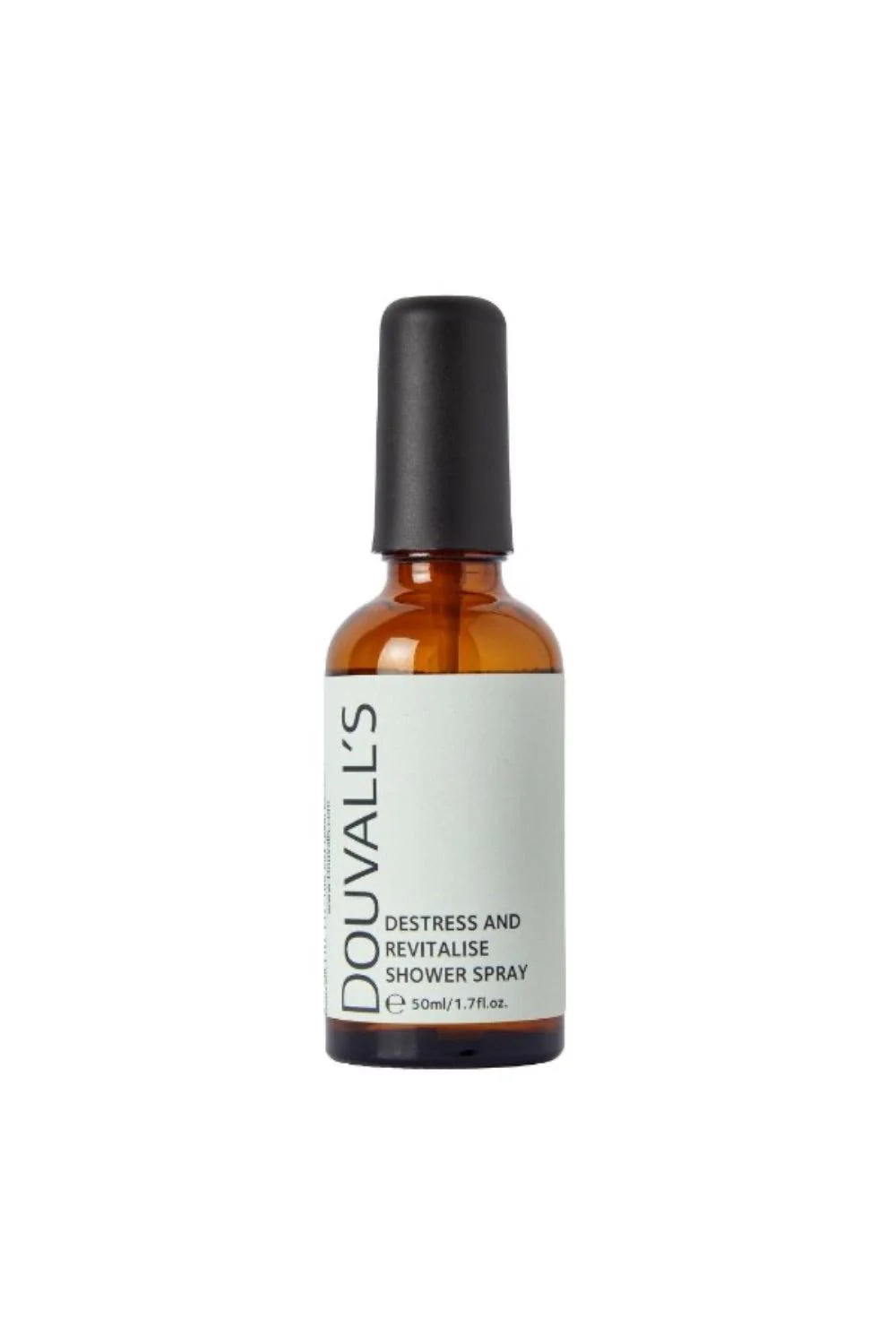
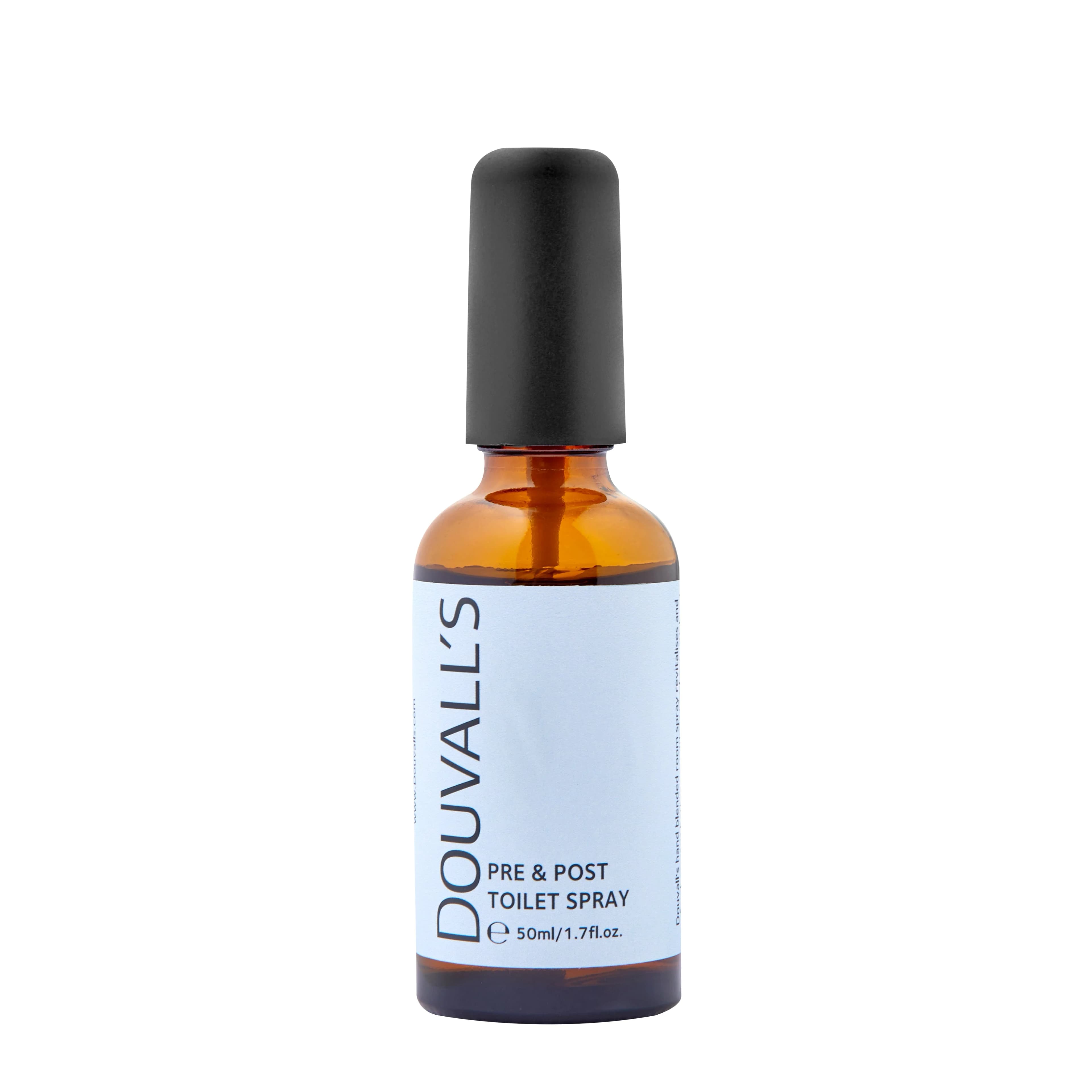
Choosing Your Next Ethical Fragrance
When selecting a new fragrance, consider not just the scent profile, but also the story behind the bottle. We look for brands that are open about their ingredient sourcing, ensuring that raw materials are obtained responsibly and without harm to communities or ecosystems. Look for alcohol derived from natural sources, and essential oils that are steam-distilled or cold-pressed rather than extracted with harsh solvents. The longevity of a fragrance is also key; a well-formulated scent should evolve on your skin throughout the day, offering different notes without fading too quickly. Pay attention to the concentration, as this affects both intensity and staying power. Eau de Parfum (EDP) typically has a higher concentration of fragrance oils than Eau de Toilette (EDT), meaning it will generally last longer and project more.
Another aspect to consider is the packaging. Many ethical fragrance brands are moving towards refillable bottles, recycled glass, or minimal packaging to reduce waste. This commitment extends beyond the liquid inside to the entire product lifecycle. Think about what kind of scent truly resonates with you and your lifestyle. Do you prefer light, fresh notes for daily wear, or something richer and more complex for evenings? Our collection includes a diverse range of olfactory families, from bright citrus and delicate florals to warm woods and spicy orientals, all chosen for their quality and ethical credentials. Ultimately, the best fragrance is one that makes you feel confident and comfortable, knowing it meets high standards for both performance and principles.
Understanding Fragrance Notes and Longevity
Fragrance is often described in terms of notes: top, middle (or heart), and base. Top notes are the initial impression, light and volatile, fading within minutes. Think of bright citrus or fresh herbs. Middle notes emerge after the top notes dissipate, forming the core of the fragrance. These are often floral, fruity, or spicy elements that last for several hours. Finally, base notes are the foundation, rich and long-lasting, providing depth and anchoring the lighter notes. These can include ingredients like sandalwood, vanilla, musk, or amber, lingering on the skin for many hours, sometimes even a full day. Understanding these layers helps you appreciate how a fragrance develops and changes over time.
The longevity of a fragrance is influenced by several factors beyond just its concentration. Your individual skin chemistry plays a significant role; some skin types hold scent better than others. Hydrated skin tends to retain fragrance longer, so applying to moisturised skin can help. Application points also matter: pulse points like wrists, neck, and behind the ears generate heat, which helps to diffuse the scent. However, avoid rubbing your wrists together after applying, as this can break down the fragrance molecules and alter the scent. Storage is another crucial element; keep your fragrance in a cool, dark place away from direct sunlight and extreme temperature changes to preserve its integrity and ensure it maintains its intended aroma and longevity.
Common questions
What makes a fragrance ethical?
An ethical fragrance is typically made with responsibly sourced ingredients, often vegan and cruelty-free, and produced by brands committed to fair labour practices. It also prioritises transparent ingredient lists, avoiding common synthetic additives and allergens where possible. Packaging often features recycled materials or refillable designs to minimise environmental impact, reflecting a holistic approach to sustainability from production to disposal.
How can I choose a long-lasting fragrance?
To choose a long-lasting fragrance, look for higher concentrations like Eau de Parfum (EDP) or Extrait de Parfum, which contain a greater percentage of fragrance oils. Base notes like woods, resins, and musks also contribute significantly to longevity. Applying fragrance to well-moisturised skin and pulse points can help it adhere better and diffuse slowly throughout the day, extending its wear time.
Are natural fragrances always better than synthetic ones?
Not necessarily; both natural and synthetic fragrance ingredients have their merits and drawbacks. Natural ingredients can be complex and beautiful, but their sourcing can sometimes be unsustainable or allergenic. Synthetics can offer unique notes, consistency, and often reduce the environmental impact of harvesting rare botanicals. What truly matters is transparency and responsible formulation, ensuring ingredients are safe and ethically produced, regardless of their origin.
How should I apply fragrance for the best effect?
For the best effect, apply fragrance to your pulse points, such as your wrists, neck, and behind your ears, as these areas generate heat that helps diffuse the scent. You can also lightly mist your hair or clothing for a different diffusion. Avoid rubbing the fragrance into your skin, as this can break down the scent molecules and alter the intended aroma. A light application is often all that is needed.
What ingredients should I look for in a conscious fragrance?
When choosing a conscious fragrance, look for clear ingredient lists that specify natural isolates, essential oils, and safe synthetics. Prioritise formulations free from phthalates, parabens, and synthetic musks known to be endocrine disruptors. Brands that are transparent about their sourcing and manufacturing processes, and those that offer vegan and cruelty-free options, are also good indicators of a more conscious choice.
From the Journal