Essential Oil Blends
Essential oils offer a concentrated way to bring the benefits of plants into your home and routine, whether you are looking for a calming evening ritual or an uplifting start to your day. Our selection focuses on pure, undiluted essential oils, including many organic and vegan options, ensuring you get the full aromatic and therapeutic potential without synthetic fillers. Each blend is chosen for its quality and the integrity of its sourcing, giving you confidence in every drop.
2 productsfrom £15
2 products · sorted by most popular
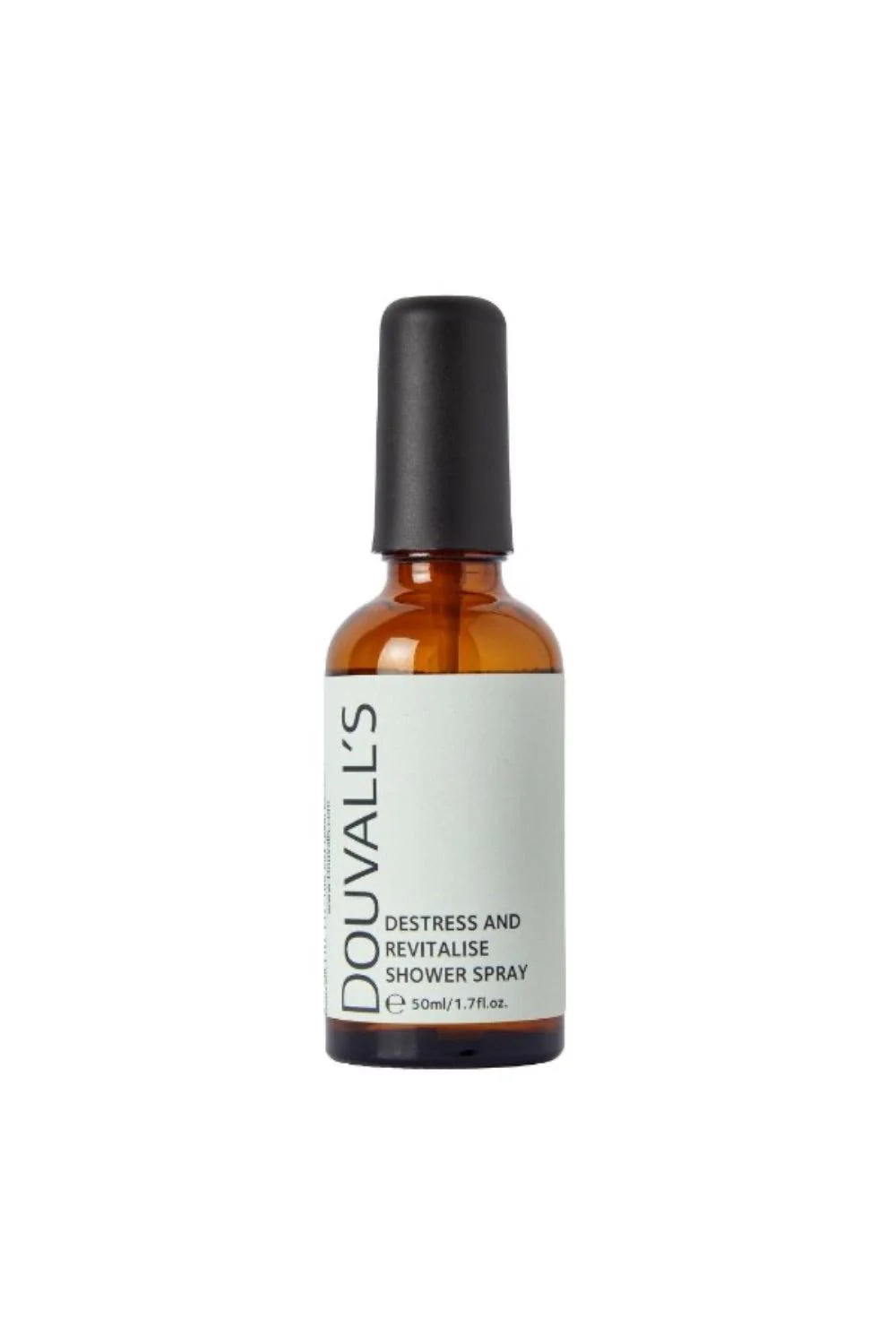
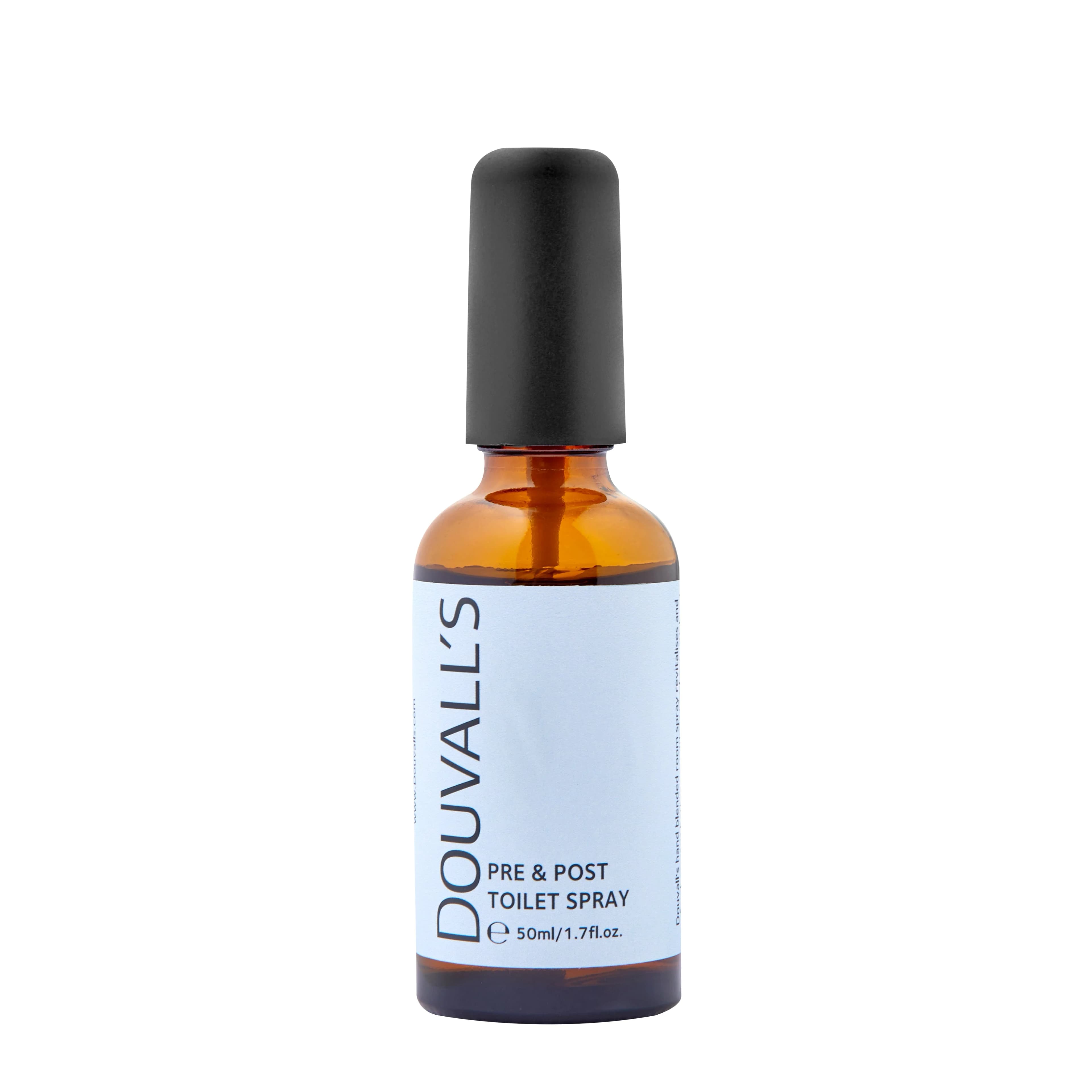
Choosing the Right Essential Oils for Your Needs
When selecting essential oils, consider what you want to achieve. For relaxation, lavender and frankincense are well-evidenced choices, often used in diffusers or diluted in a carrier oil for massage. If you are looking for an energising boost, citrus oils like lemon or sweet orange can be uplifting, while peppermint is often favoured for focus. Think about how you intend to use them: for topical application, always dilute essential oils with a carrier oil such as jojoba or almond oil to prevent skin irritation. For diffusion, a few drops in a water-based diffuser are usually sufficient to scent a room. Pay attention to the botanical name on the label, as this indicates the specific plant species and can affect the oil's properties.
Understanding Purity and Sourcing in Essential Oils
The effectiveness of essential oils largely depends on their purity and how they are sourced. Look for labels that specify "100% pure essential oil" and include the botanical name, which confirms it is not a synthetic fragrance oil. Certifications like "organic" ensure the plants were grown without synthetic pesticides, which can be important for both environmental impact and the final oil quality. "Cruelty-free" certifications confirm no animal testing was involved in the product's development. Ziracle prioritises brands that provide transparent information about their distillation methods and the origin of their plant materials. This commitment to transparency helps ensure you are getting a high-quality product that aligns with your values and delivers the benefits you expect.
Common questions
What are essential oils?
Essential oils are concentrated plant extracts obtained through distillation or mechanical pressing. They capture the plant's scent and flavour, along with its beneficial compounds, and are used in aromatherapy, cosmetics, and for various wellbeing purposes. They are distinct from fragrance oils, which are often synthetic and do not offer the same therapeutic properties.
How do I safely use essential oils?
For topical use, always dilute essential oils with a carrier oil, such as jojoba, almond, or coconut oil, at a concentration of 1-5% to avoid skin irritation. Perform a patch test on a small area of skin first. For aromatic use, add a few drops to a diffuser. Never ingest essential oils unless under the direct guidance of a qualified practitioner, as they are highly concentrated and can be toxic.
Are all essential oils the same quality?
No, the quality of essential oils can vary significantly. Factors like the plant species, growing conditions, harvesting methods, and extraction processes all influence the final product. Look for oils labelled "100% pure" with a clear botanical name, and consider brands that offer organic or wild-harvested options, as these often indicate a higher standard of purity and sustainable sourcing.
What is the difference between essential oils and fragrance oils?
Essential oils are natural extracts derived directly from plants, retaining their unique chemical composition and therapeutic properties. Fragrance oils, on the other hand, are typically synthetic compounds created in a laboratory to mimic natural scents or create new ones. They do not offer the same plant-derived benefits as pure essential oils.
How should I store my essential oils?
To preserve their potency and shelf life, essential oils should be stored in dark glass bottles in a cool, dark place, away from direct sunlight and heat. Exposure to light and heat can degrade the oil's chemical compounds, reducing its effectiveness. Keeping the caps tightly sealed also prevents oxidation and evaporation.
From the Journal