Home Fragrance
The right scented candles can transform a room, but the wrong ones can fill it with unwanted chemicals. Here, you will find candles made with natural waxes like soy or coconut, scented exclusively with pure essential oils. This means no synthetic fragrances, paraffin, or phthalates, ensuring a cleaner burn for your home. We focus on brands committed to transparent ingredient lists and sustainable practices, offering options that are vegan and cruelty-free. Choose a candle that genuinely enhances your space without compromise.
25 products2 brandsfrom £7.50
Narrow it down
25 products · sorted by most popular
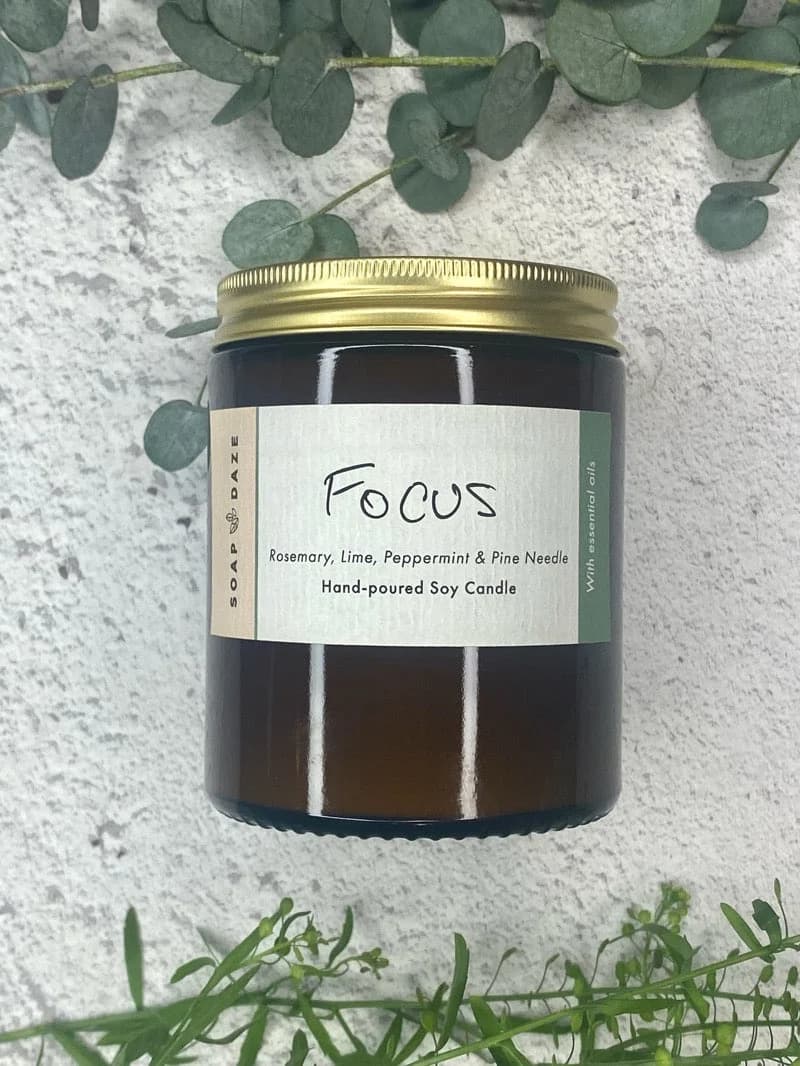
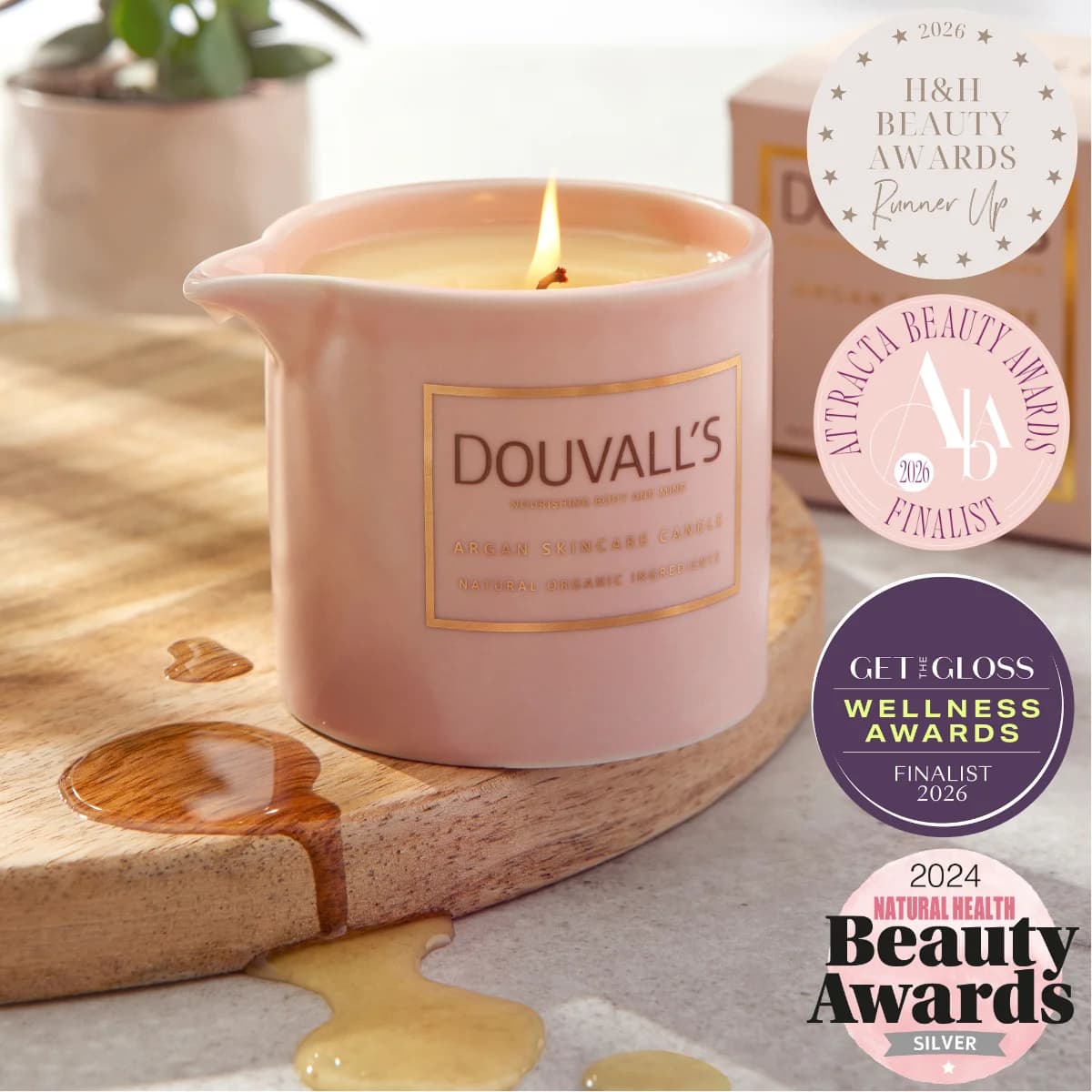
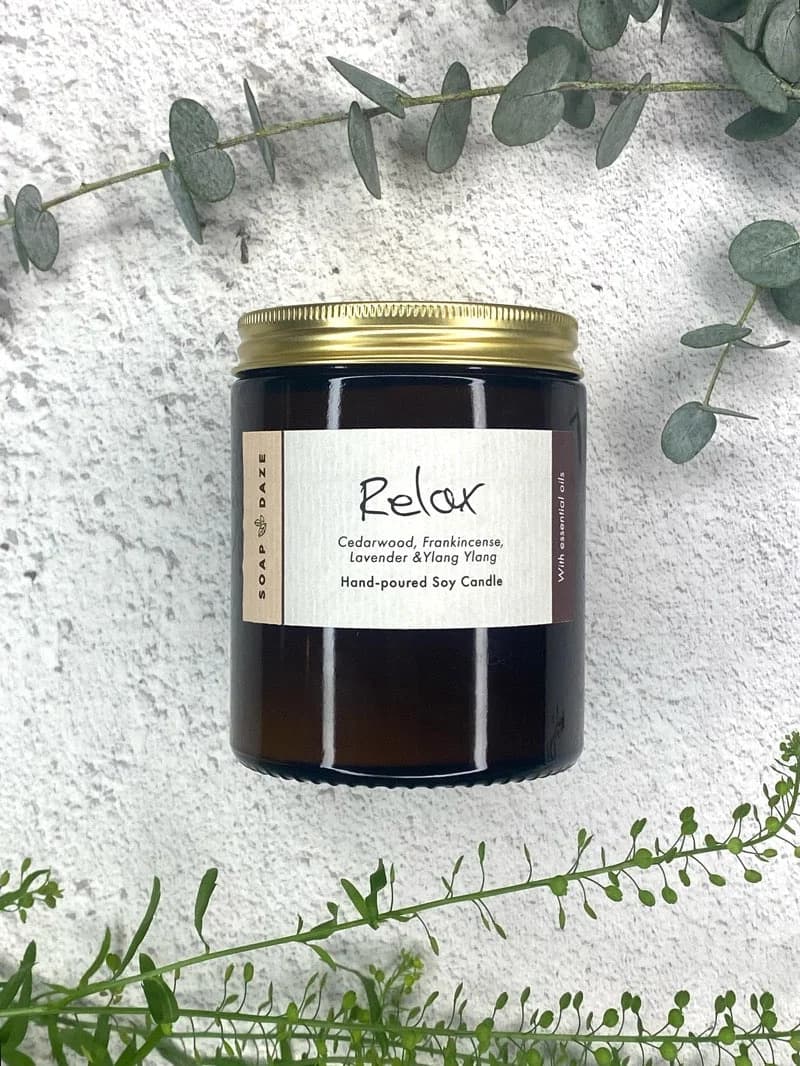
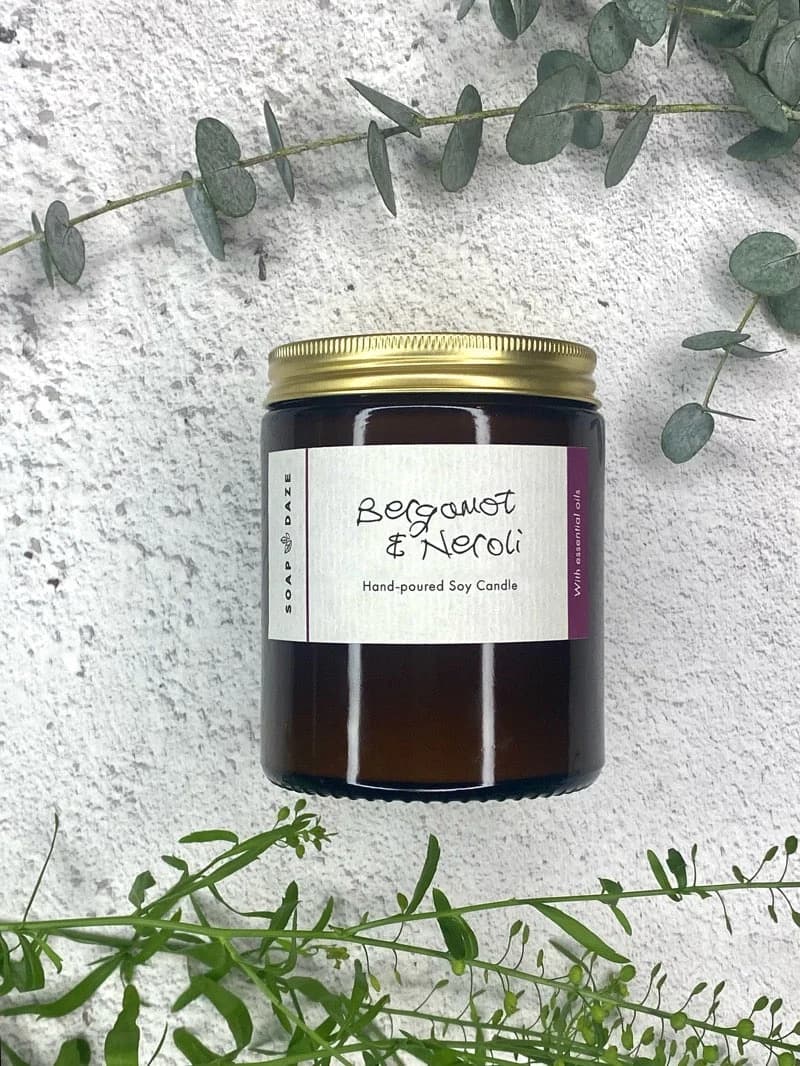
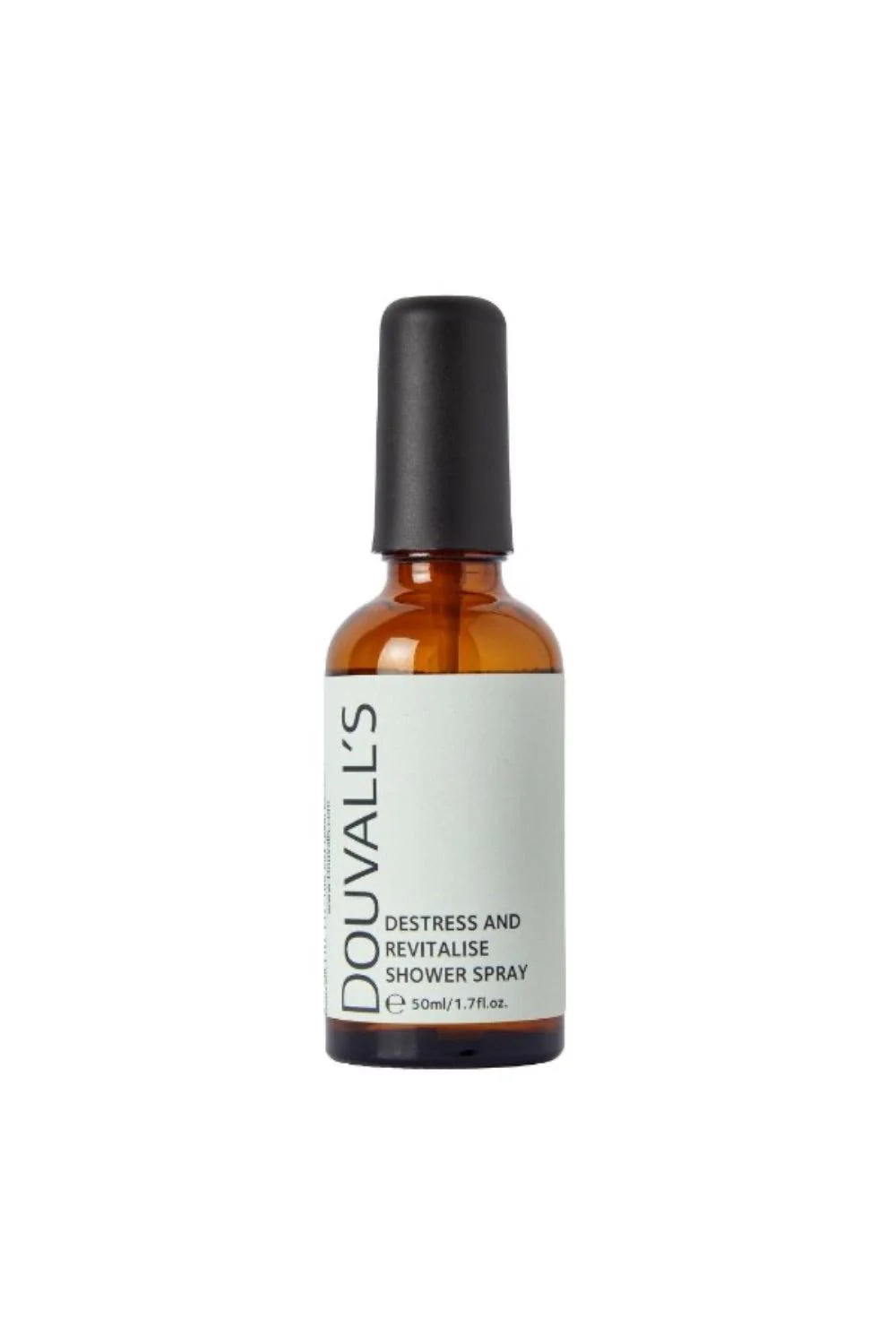
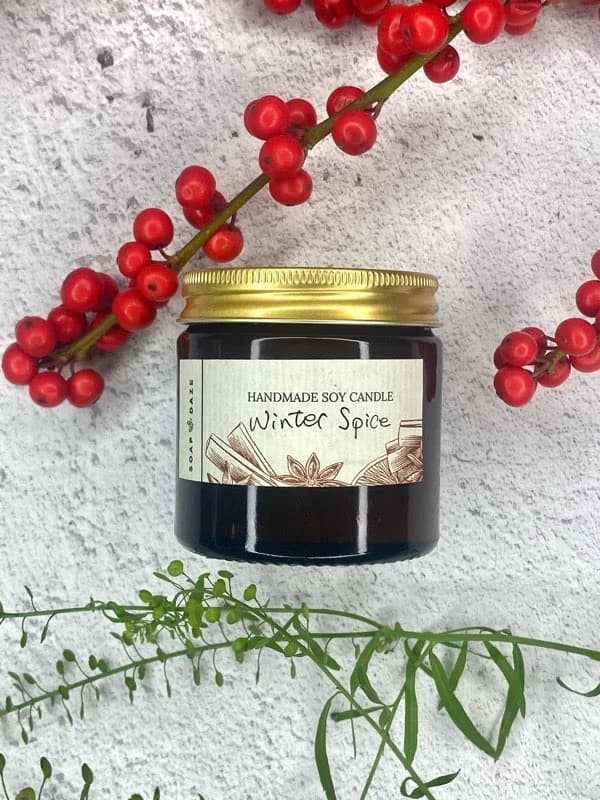
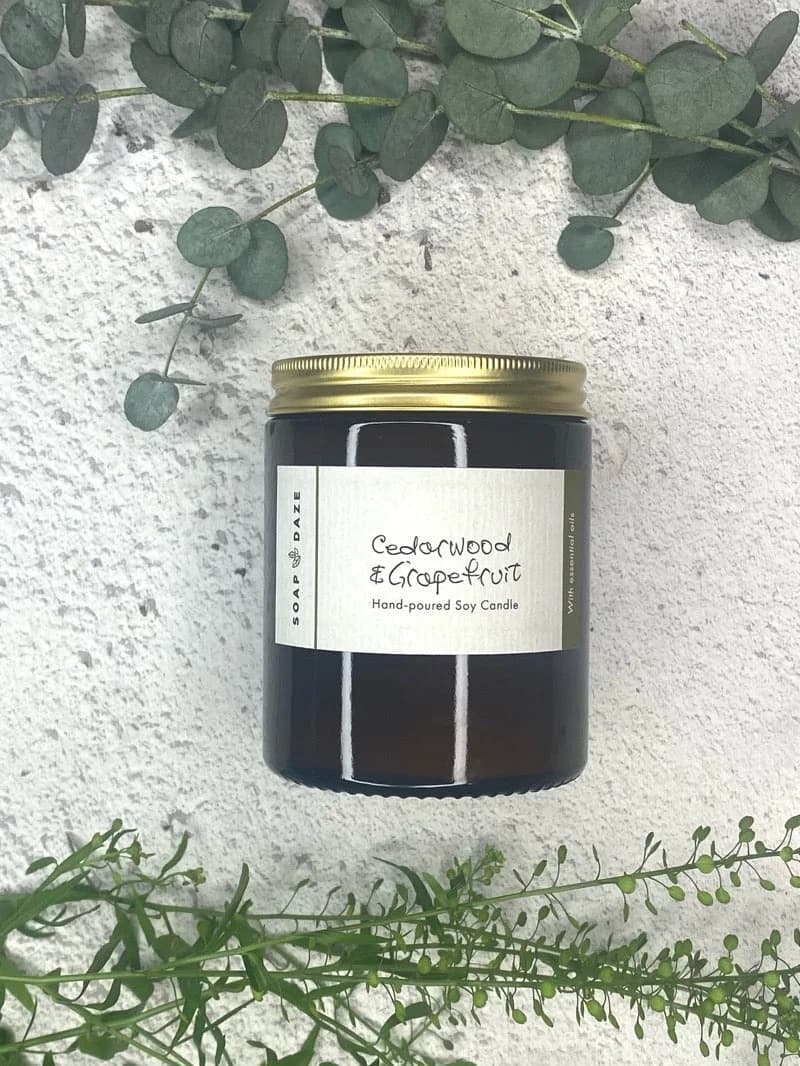
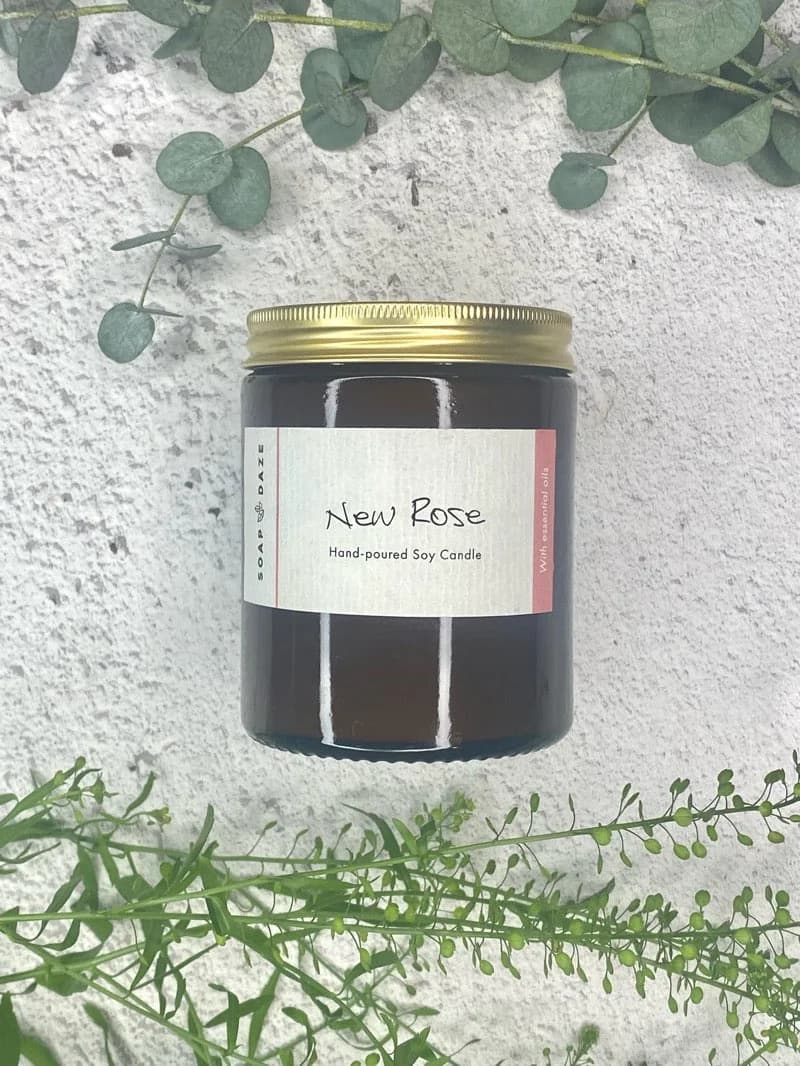
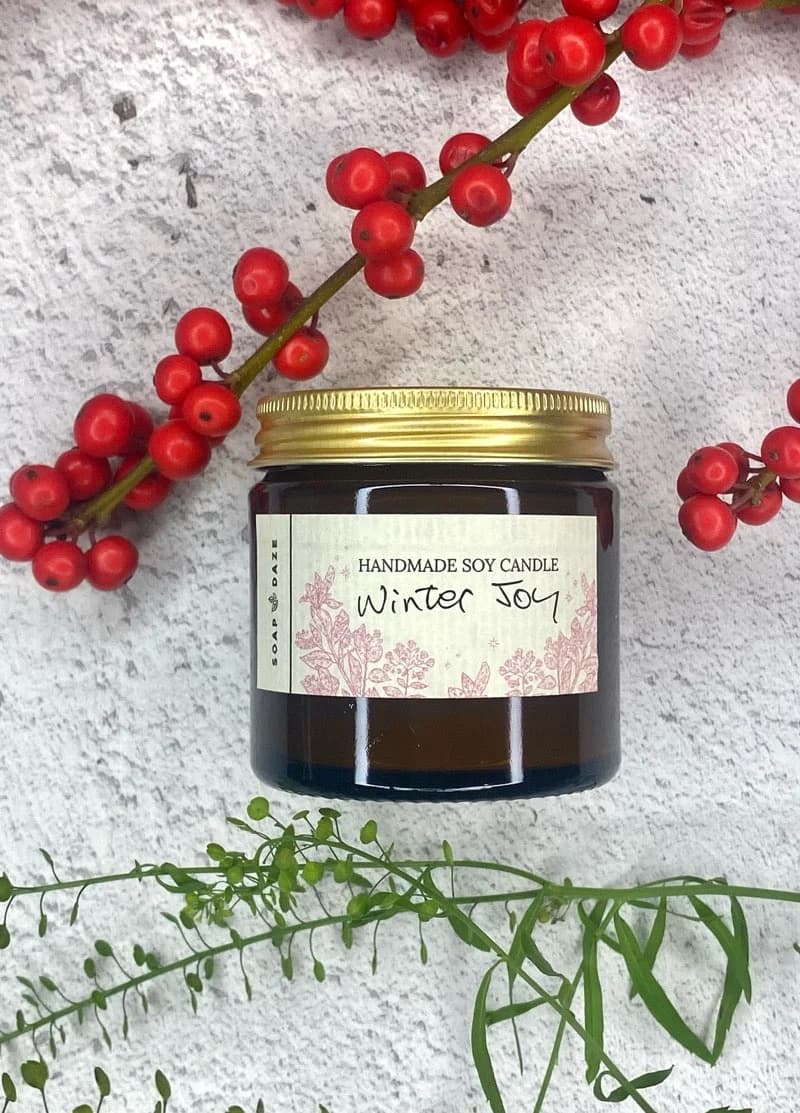
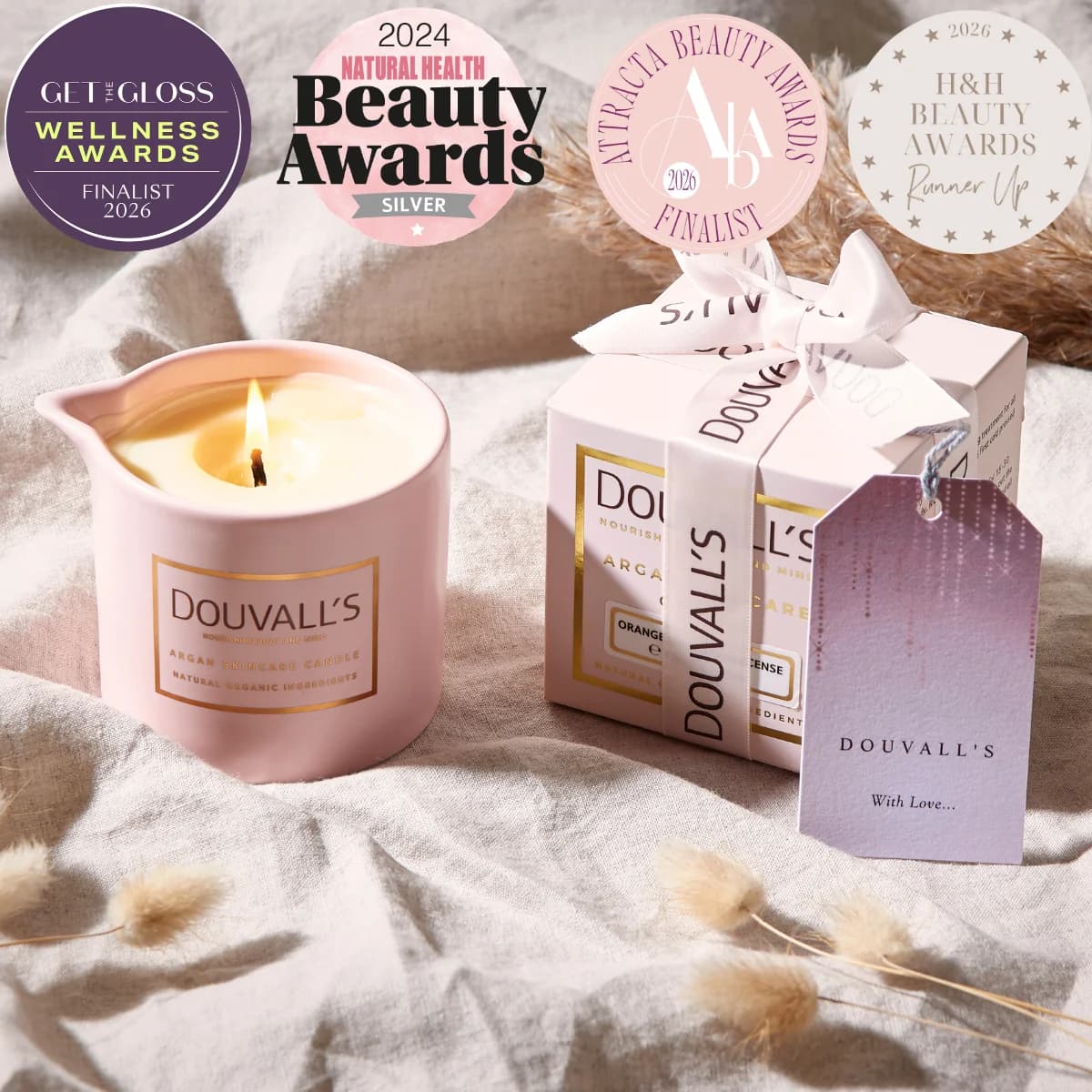
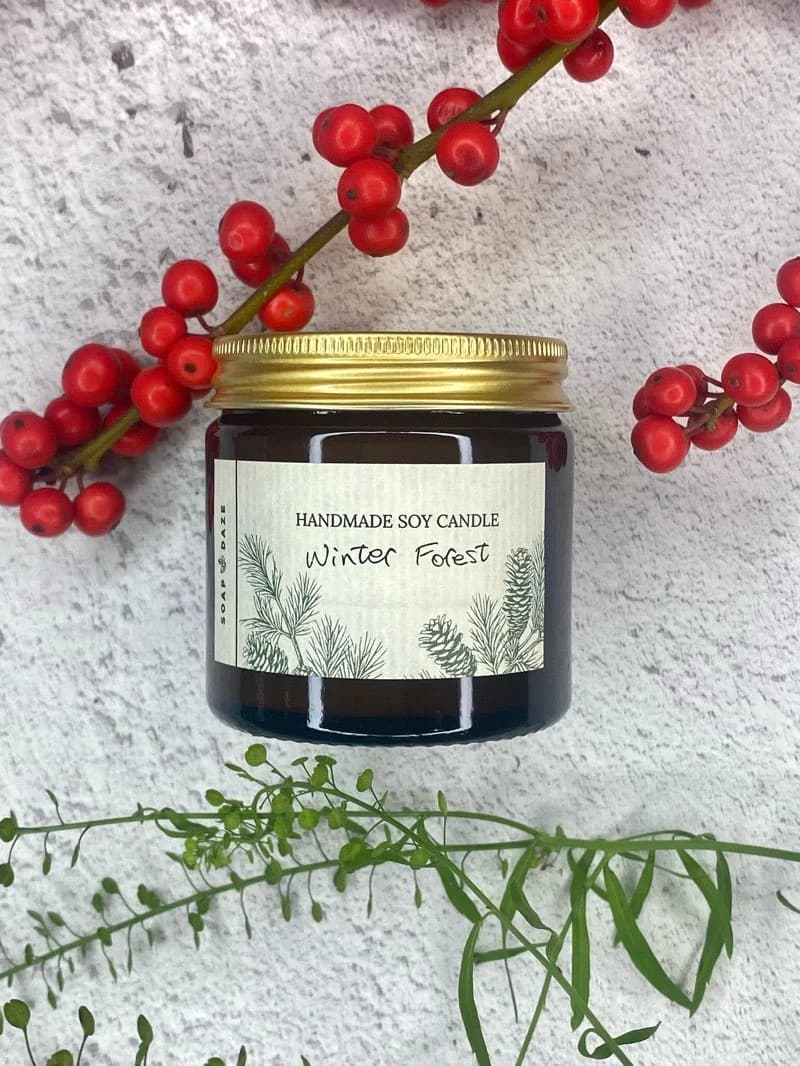
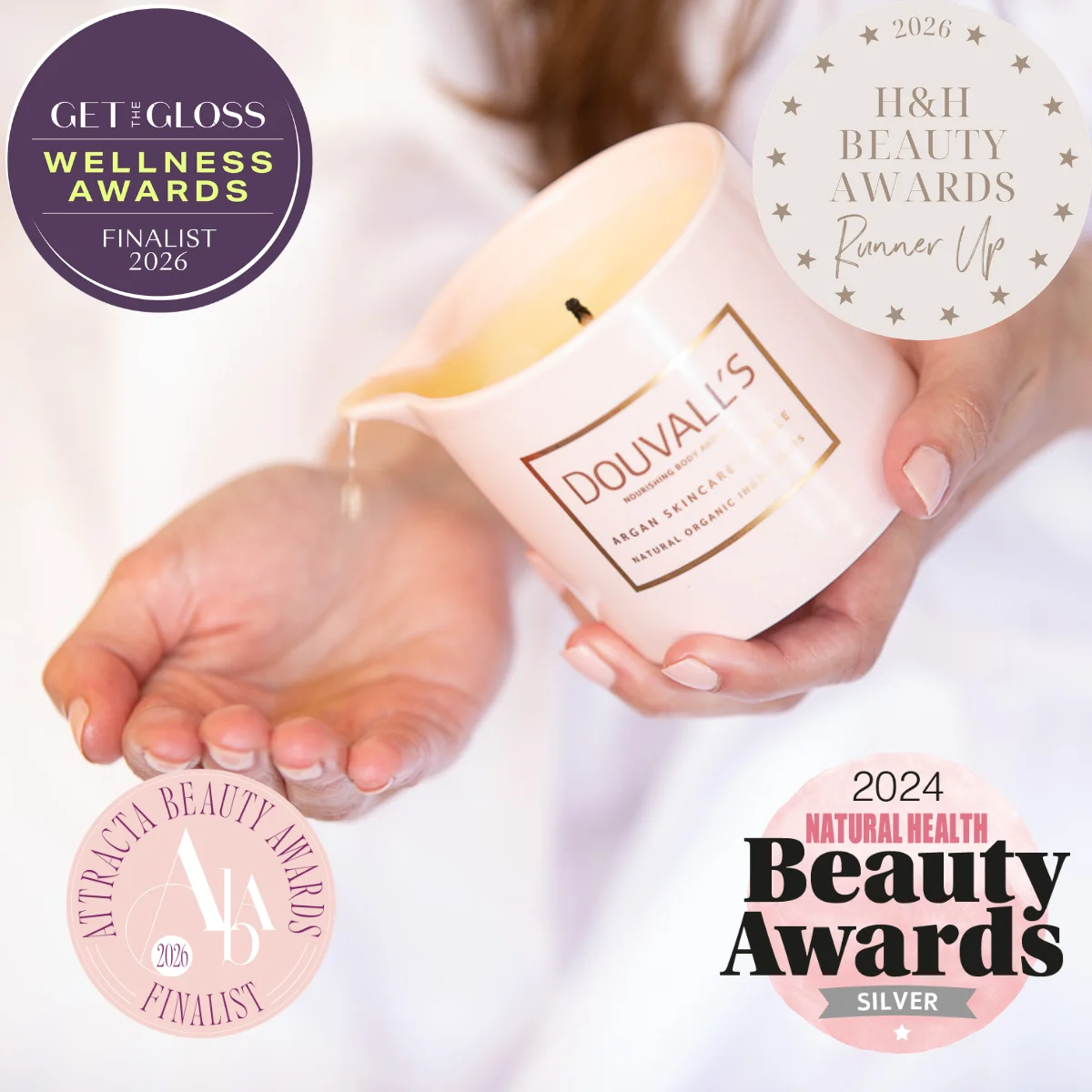
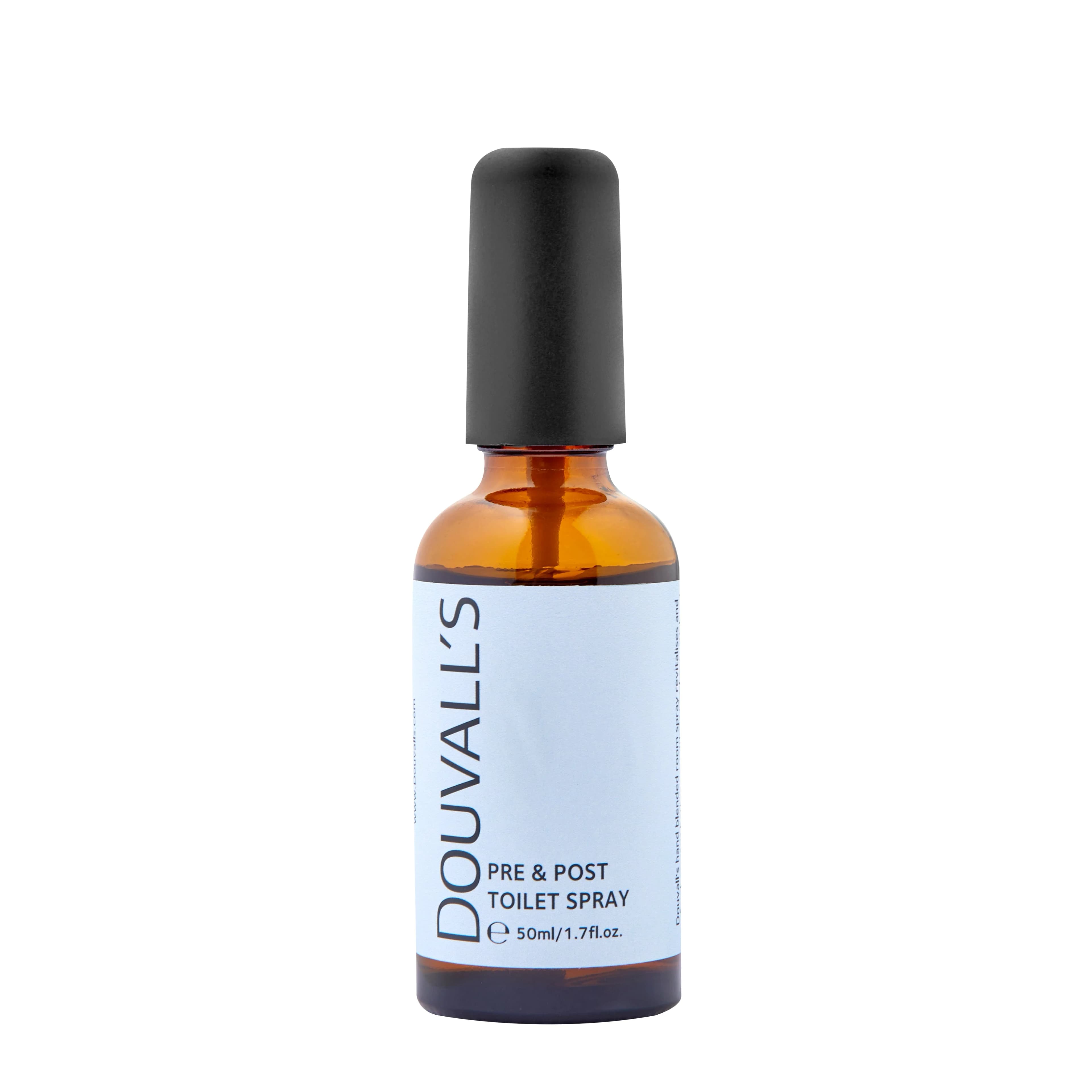
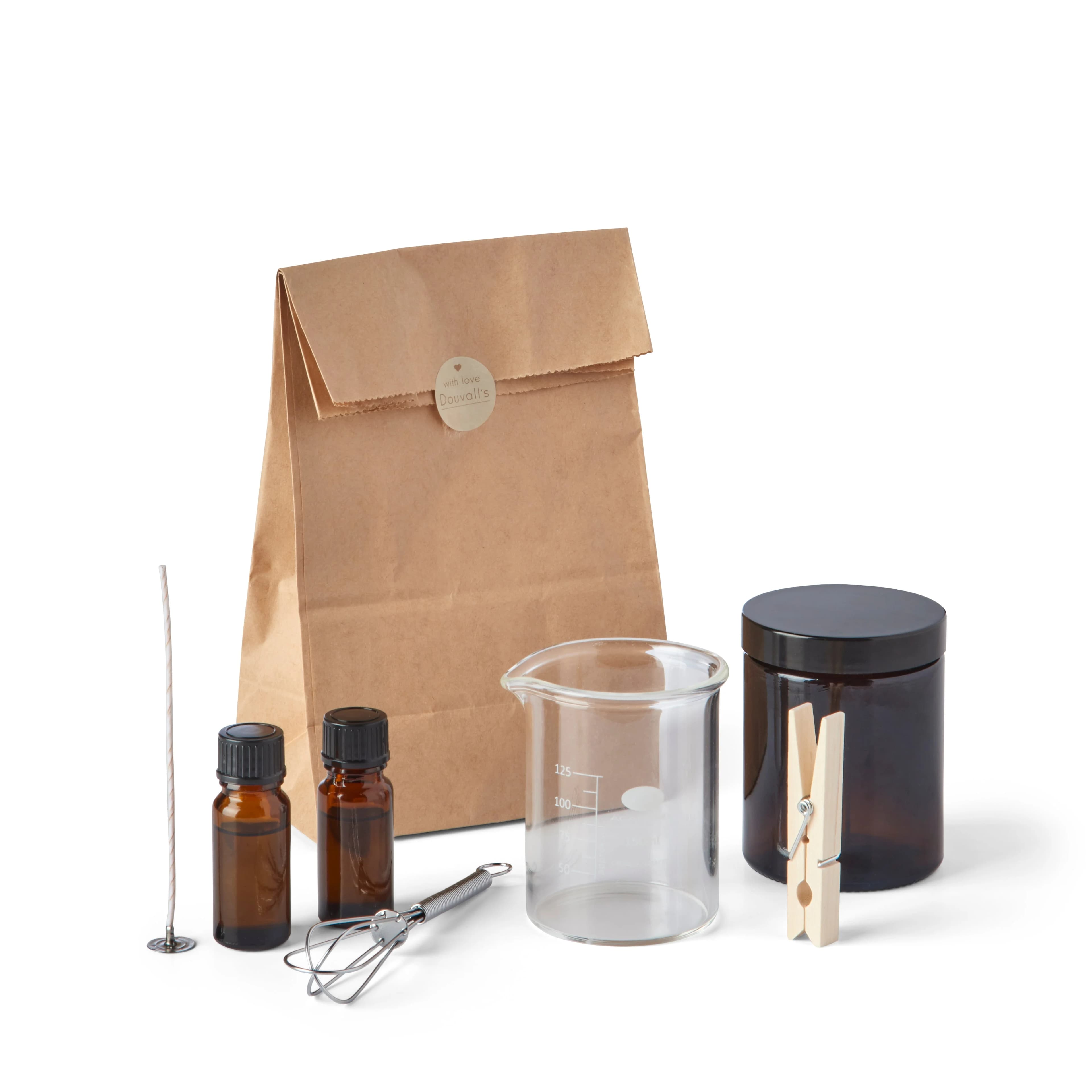
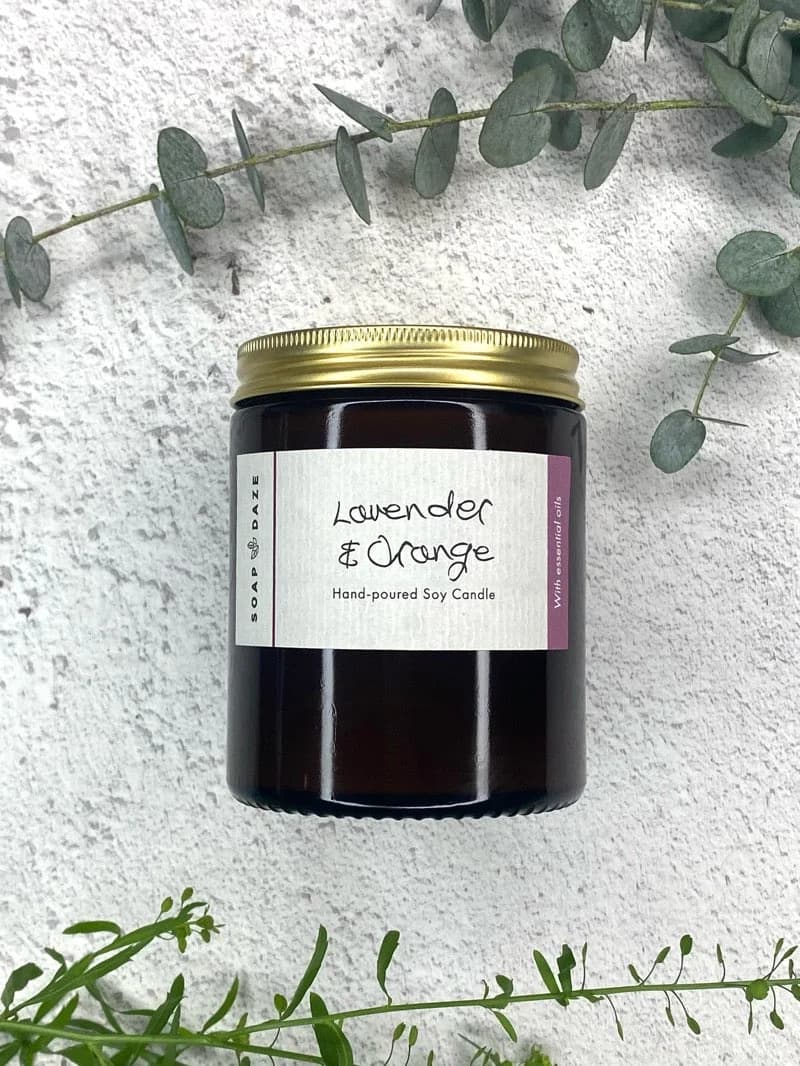
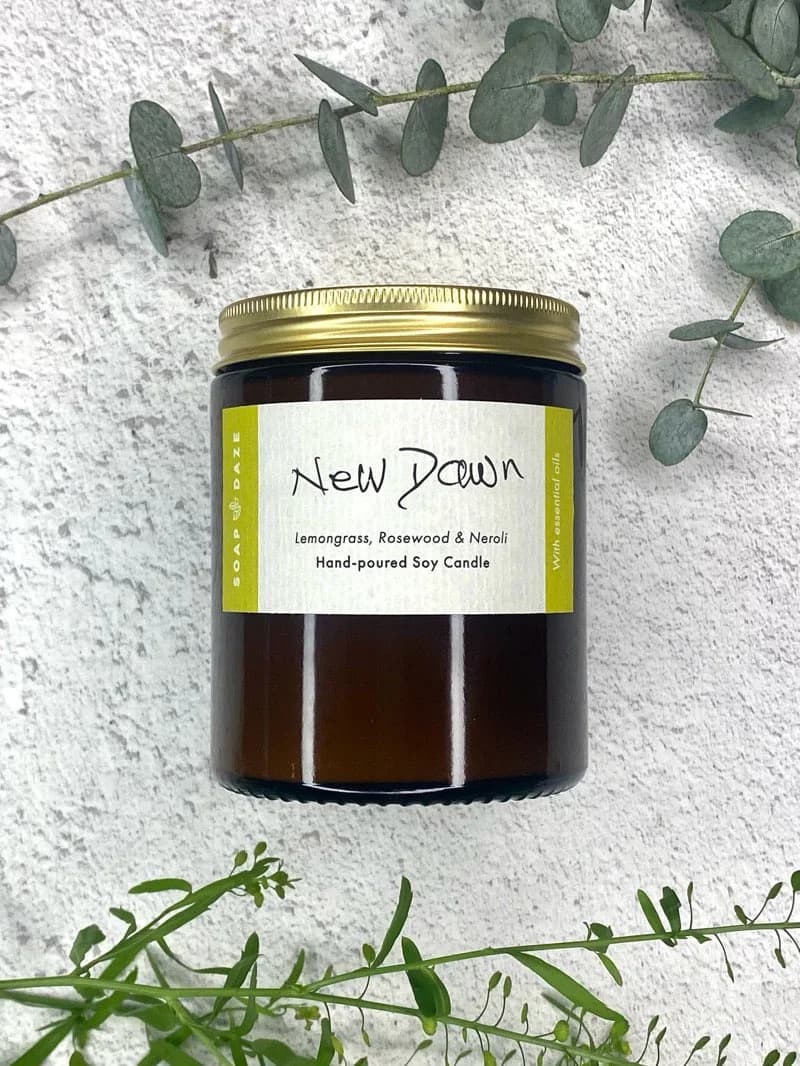
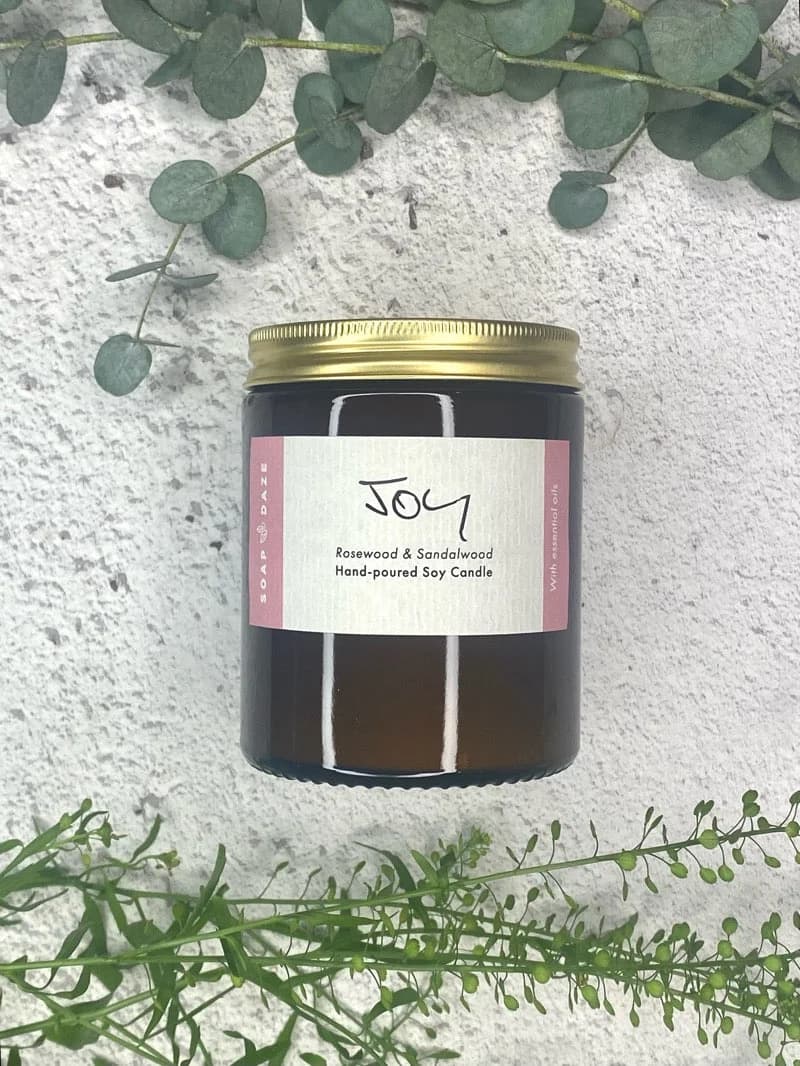
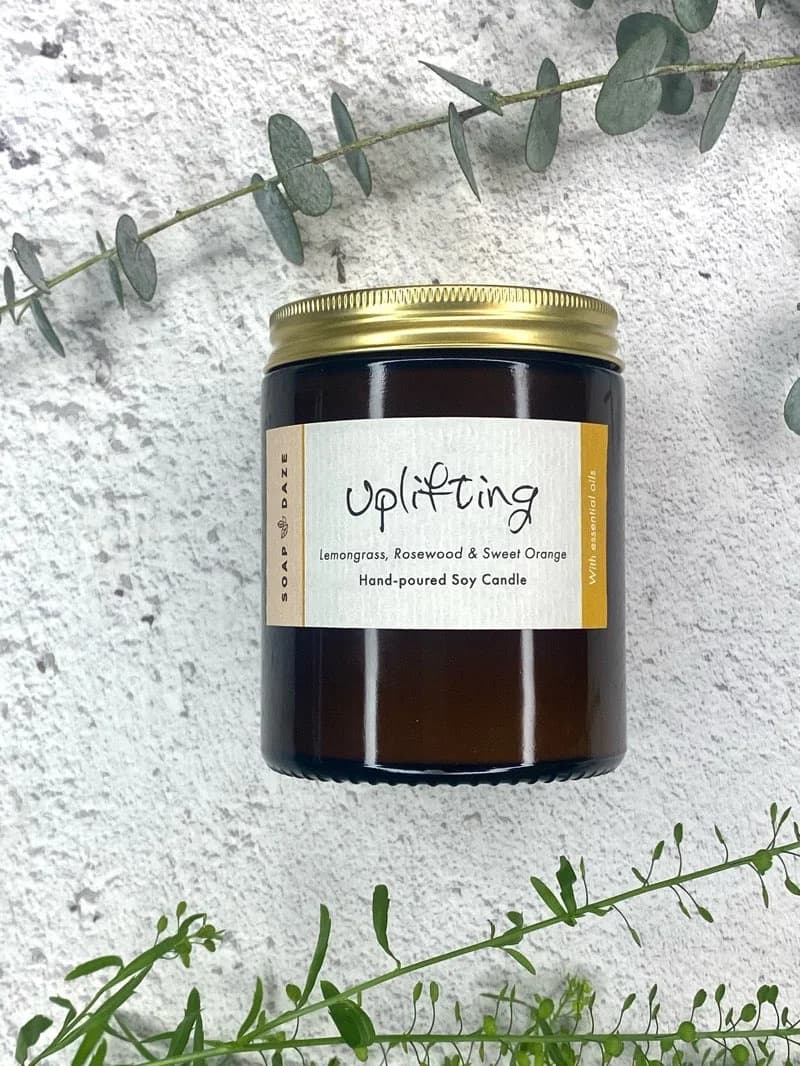
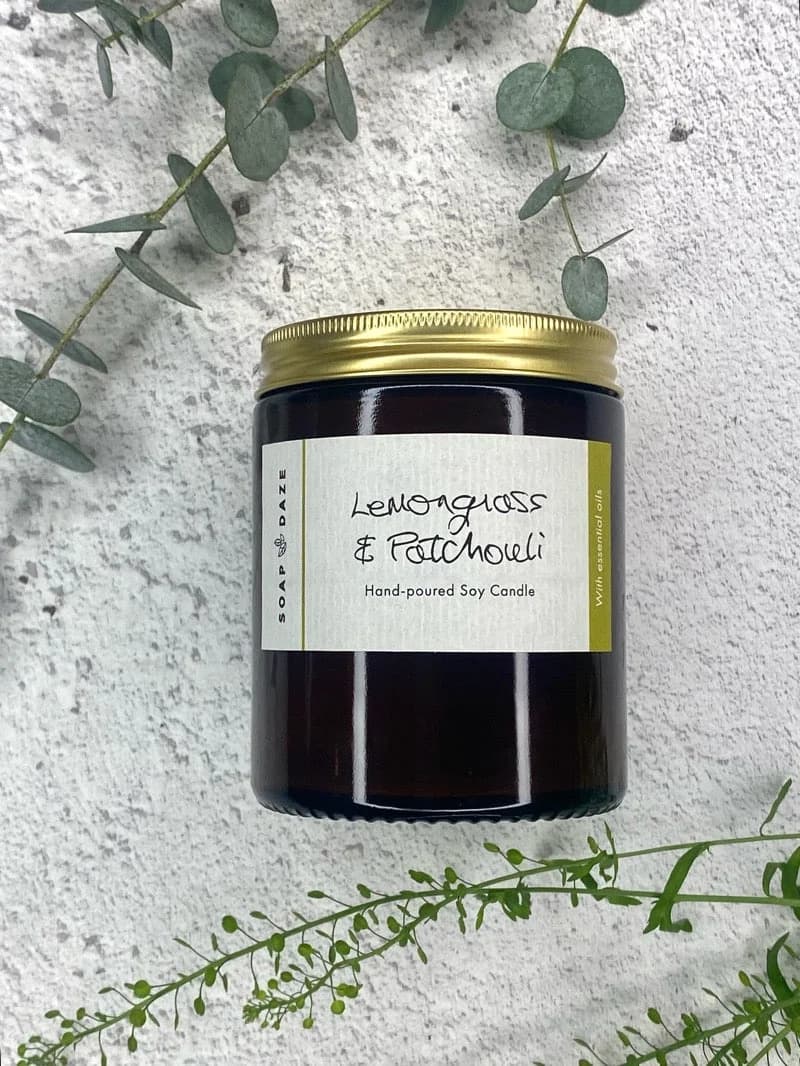
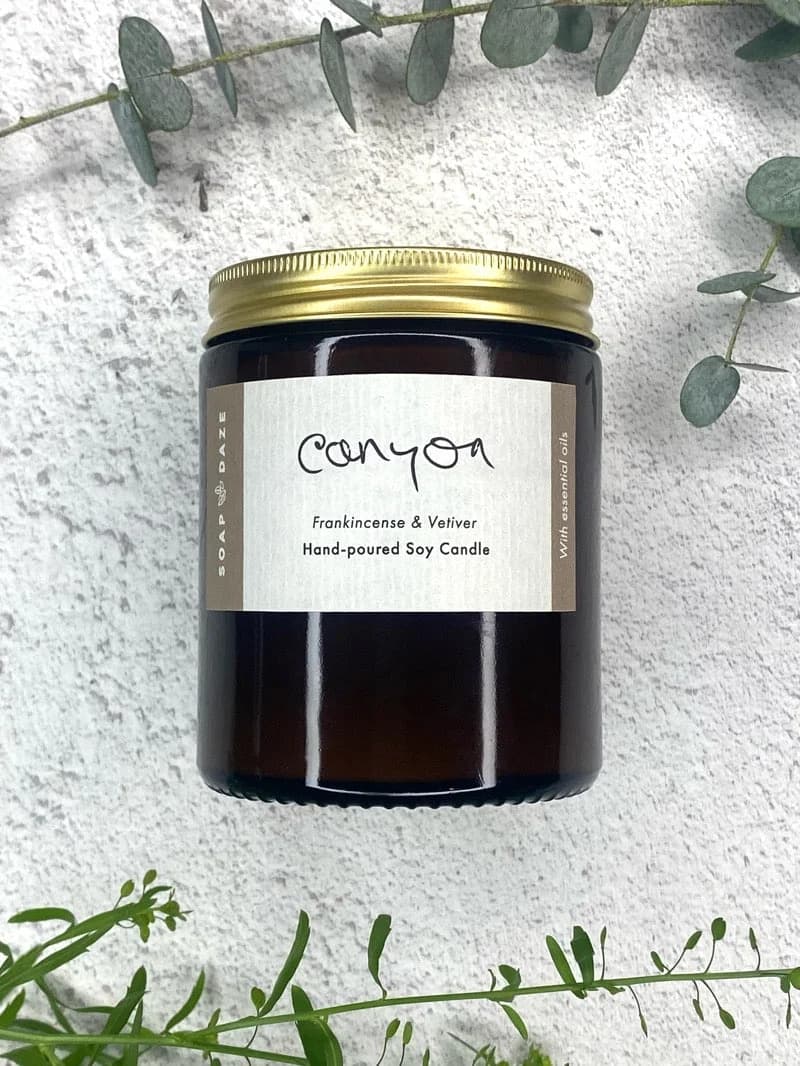
Showing 20 of 25 products
Load moreChoosing the Right Candle for Your Home
When selecting candles, consider not just the scent, but also the ingredients and how they contribute to your home environment. Many conventional candles use paraffin wax, a petroleum byproduct, and synthetic fragrances that can release volatile organic compounds when burned. Instead, look for candles made from plant-based waxes such as soy, coconut, or beeswax. These burn cleaner and often last longer. The wick material is also important; cotton or wood wicks are preferable to those with metal cores, which can release lead or zinc into the air. Understanding these elements helps you make a choice that supports both your well-being and the planet.
Understanding Candle Ingredients
The core components of a candle are its wax, wick, and fragrance. Natural waxes like soy and coconut are renewable resources and produce less soot than paraffin. Beeswax is another excellent natural option, known for its air-purifying properties. For scent, pure essential oils are a healthier alternative to synthetic perfumes, which can contain phthalates and other chemicals that may irritate respiratory systems. Essential oils offer complex, natural aromas and can even have therapeutic benefits. Always check the ingredient list for full transparency. A truly well-made candle will clearly state its wax type, wick material, and fragrance source, allowing you to make an informed decision about what you are bringing into your home.
Common questions
What makes a candle 'non-toxic'?
A non-toxic candle is typically made from natural waxes like soy, coconut, or beeswax, and scented with pure essential oils rather than synthetic fragrances. It should also feature a lead-free wick, often made from cotton or wood. These choices minimise the release of harmful chemicals and soot into your home environment, promoting better indoor air quality.
Why should I choose natural wax candles over paraffin?
Natural wax candles, such as those made from soy or coconut, are derived from renewable resources and burn cleaner than paraffin wax. Paraffin is a petroleum byproduct that can release soot and potentially harmful chemicals when burned. Natural waxes also tend to have a longer burn time, offering better value and a more consistent scent throw.
Are all scented candles made with essential oils?
No, not all scented candles use essential oils. Many conventional candles use synthetic fragrance oils to achieve their aromas. While some synthetic fragrances are safe, others can contain phthalates and other chemicals that may cause sensitivities. Candles made with pure essential oils offer natural scents and often provide additional aromatherapy benefits.
How do I ensure my candles burn cleanly and last longer?
To ensure a clean and long-lasting burn, always trim your candle wick to about 5mm before each use. Allow the candle to burn long enough for the wax pool to reach the edges of the container; this prevents tunnelling. Avoid burning candles for more than four hours at a time, and keep them away from drafts to maintain an even flame.
What should I look for in a sustainable candle brand?
A sustainable candle brand will prioritise renewable resources for waxes, use essential oils for fragrance, and employ lead-free wicks. Look for brands that use recycled or reusable packaging, offer refill options, and are transparent about their sourcing and manufacturing processes. Certifications like vegan or cruelty-free also indicate a commitment to ethical practices.
From the Journal