Oils & Balms
Find the right face oils to nourish and protect your skin, whether you are looking to balance oily complexions or deeply hydrate dry areas. Our selection focuses on formulations that use organic plant extracts and are always cruelty-free, ensuring your skin gets effective care without compromise. Each oil is chosen for its ability to deliver concentrated benefits, from antioxidant protection to barrier support, helping you achieve a healthy, radiant glow.
35 products2 brandsfrom £8
Narrow it down
35 products · sorted by most popular
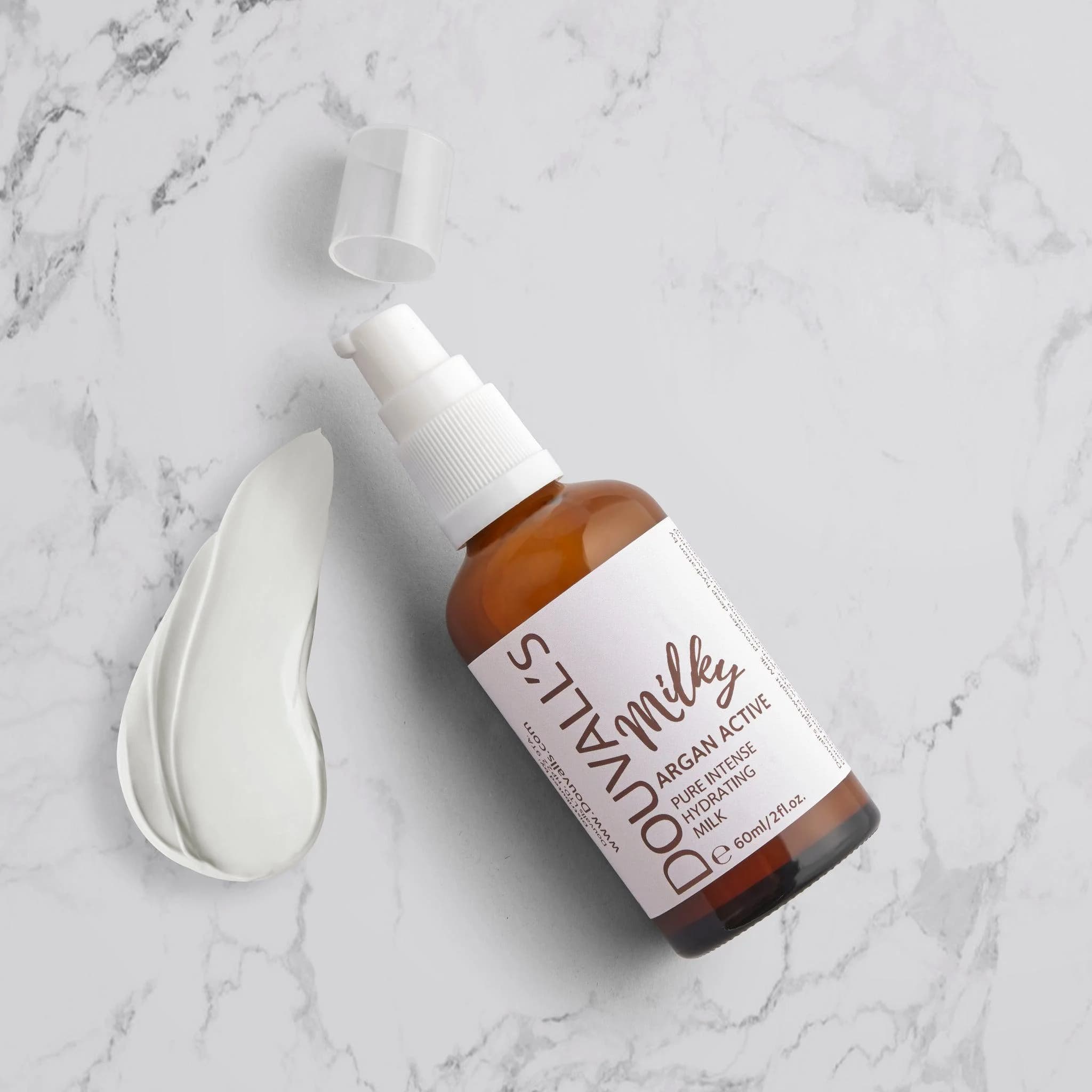
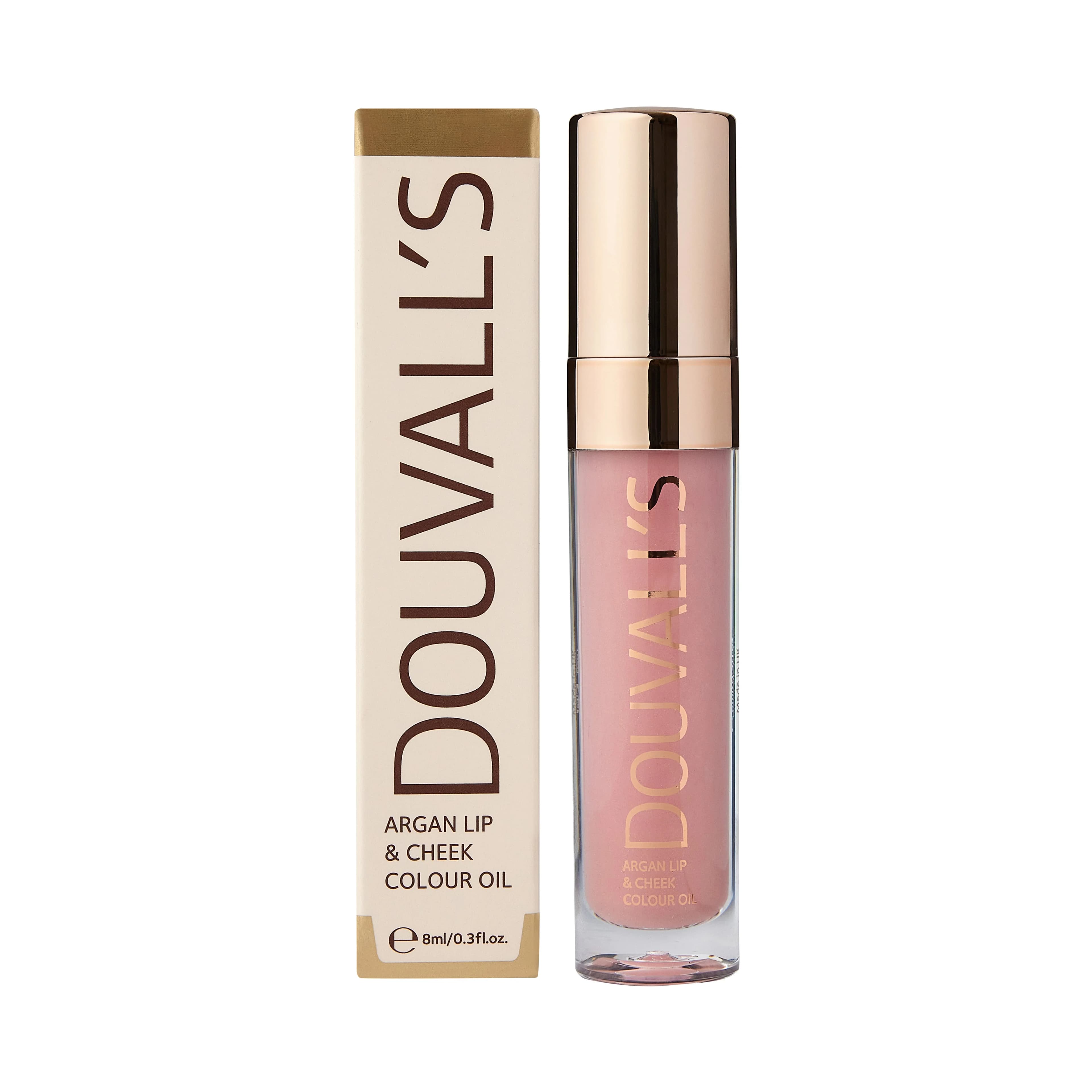
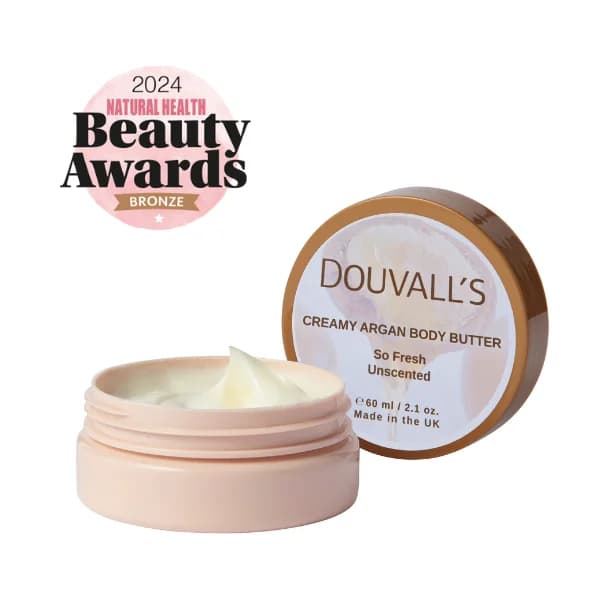
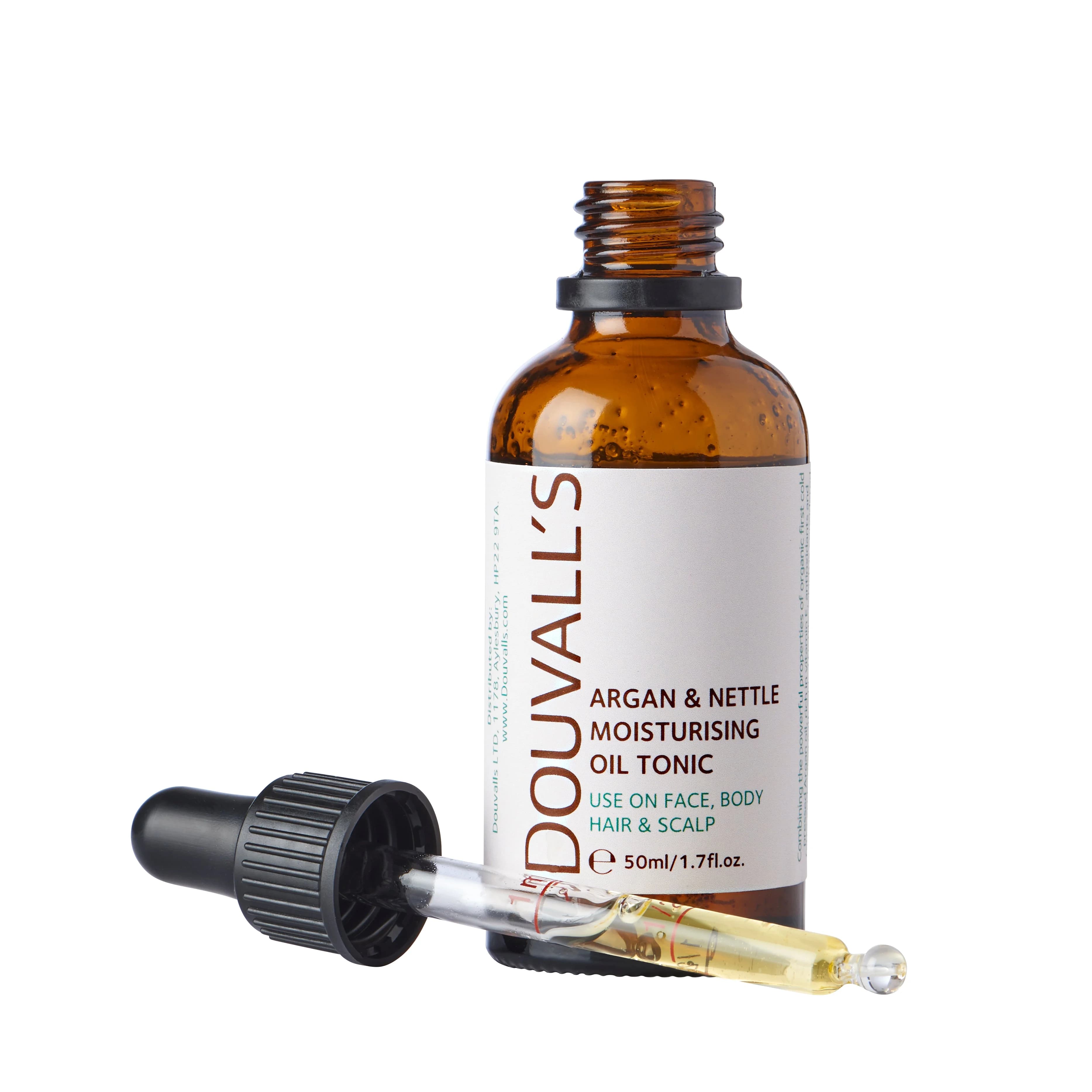

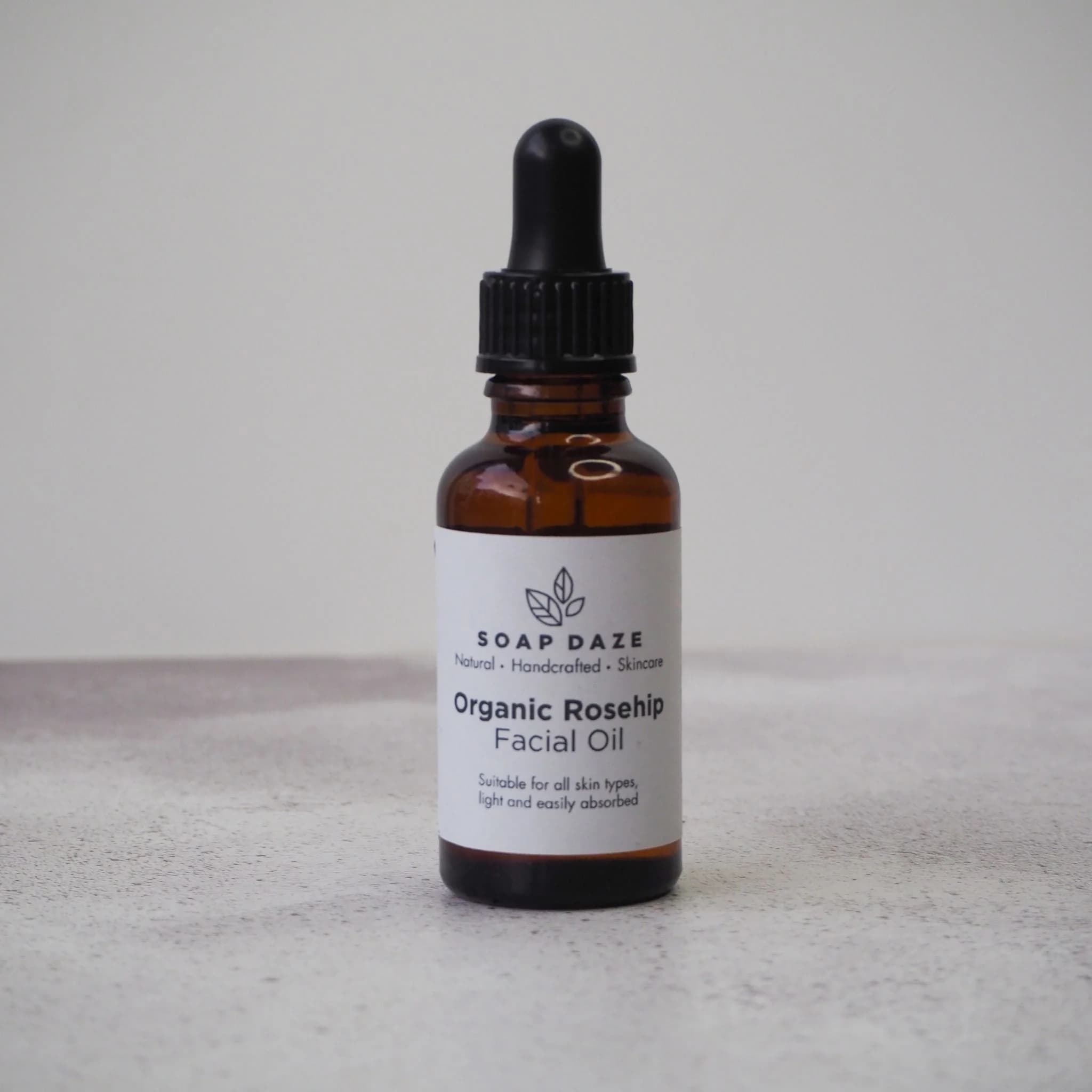
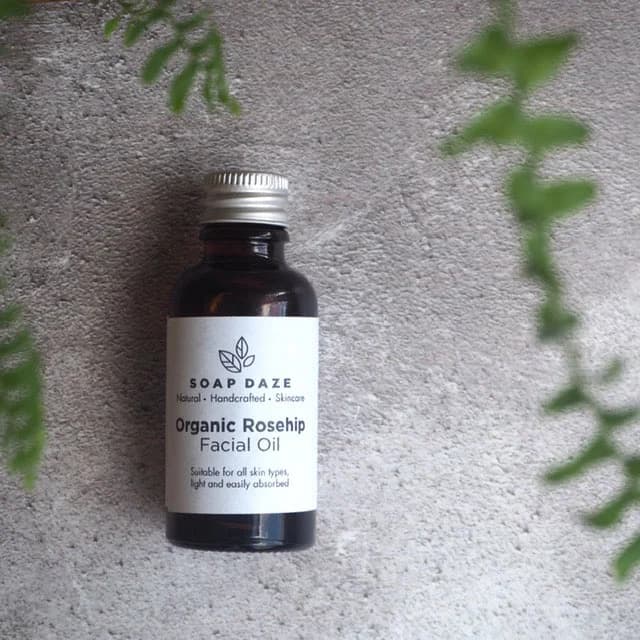
How to Choose the Right Face Oil for Your Skin
Selecting a face oil means understanding your skin's unique needs. If you have oily or blemish-prone skin, look for lighter, non-comedogenic oils like jojoba or rosehip, which can help regulate sebum production without clogging pores. For dry or mature skin, richer oils such as argan, marula, or squalane offer intense hydration and support the skin's barrier function, reducing the appearance of fine lines. Combination skin types might benefit from a blend that balances both concerns, often featuring ingredients like grapeseed or sunflower oil. Consider the primary benefit you seek: some oils are excellent for calming redness, others for brightening, and many offer robust antioxidant protection against environmental stressors. Always check the ingredient list for cold-pressed, unrefined oils to ensure maximum nutrient retention.
Understanding Key Ingredients in Face Oils
The efficacy of face oils largely depends on their active ingredients. Jojoba oil, for example, closely mimics the skin's natural sebum, making it ideal for balancing oil production. Rosehip oil is rich in vitamin A and essential fatty acids, known for its regenerative properties and ability to improve skin tone and texture. Argan oil, packed with vitamin E and linoleic acid, provides deep hydration and anti-inflammatory benefits. Squalane, derived from olives or sugarcane, is a lightweight, non-greasy emollient that locks in moisture and enhances skin elasticity. For antioxidant power, look for oils containing pomegranate or cranberry seed, which help protect against free radical damage. Always opt for products with clear ingredient lists and avoid synthetic fragrances or unnecessary fillers that can irritate the skin.
Common questions
What are face oils and how do they benefit the skin?
Face oils are concentrated botanical extracts designed to deliver nutrients, hydration, and protection to the skin. They work by forming a protective barrier on the skin's surface, trapping moisture and preventing water loss. Depending on the specific ingredients, face oils can help balance sebum production, reduce inflammation, provide antioxidant protection, and improve skin texture and radiance. They are an effective way to deliver potent active ingredients directly to the skin.
How do I incorporate face oils into my skincare routine?
Face oils are typically applied as the last step in your skincare routine, after serums and moisturisers, to seal in all the previous layers. Warm a few drops between your palms and gently press them onto your face and neck. For best results, apply to slightly damp skin to help lock in moisture. They can be used morning and night, or just once a day, depending on your skin's needs and the specific oil's properties. Some people also mix a drop or two into their moisturiser for an added boost.
Are face oils suitable for oily or blemish-prone skin?
Yes, face oils can be highly beneficial for oily and blemish-prone skin when the right type is chosen. Non-comedogenic oils like jojoba, grapeseed, or rosehip oil can help regulate the skin's natural oil production, reducing excess sebum and preventing breakouts. These oils are lightweight and absorb quickly without clogging pores. Using the correct face oil can actually signal to your skin that it doesn't need to produce as much oil, leading to a more balanced complexion.
What should I look for when choosing a high-quality face oil?
When choosing a high-quality face oil, prioritise products with minimal, transparent ingredient lists. Look for cold-pressed, unrefined oils, as this method preserves the maximum amount of nutrients and antioxidants. Organic certification indicates that the ingredients were grown without synthetic pesticides. Cruelty-free certifications ensure no animal testing was involved. Avoid oils with synthetic fragrances, parabens, or phthalates, which can be irritating. The best face oils often come in dark glass bottles to protect the delicate ingredients from light degradation.
Can face oils replace my moisturiser?
While face oils provide excellent hydration and nourishment, they do not always replace a traditional moisturiser entirely. Moisturisers typically contain humectants (like hyaluronic acid) that draw water into the skin, and emollients that smooth and soften. Oils, on the other hand, are primarily occlusives, meaning they create a barrier to prevent moisture loss. For many, a combination of both works best: apply a water-based serum, then a moisturiser, and finish with a face oil to lock everything in. However, for some skin types, a well-formulated face oil may provide sufficient hydration on its own.
From the Journal